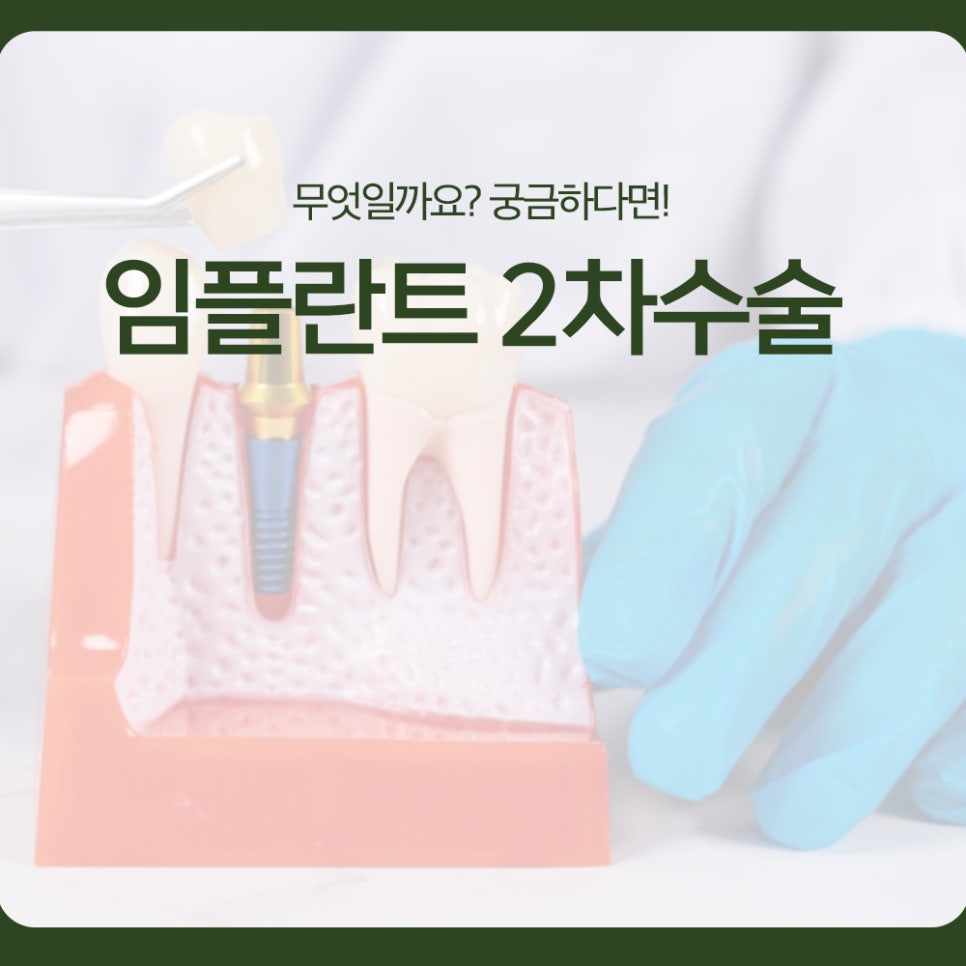
Dental implants are a treatment that restores the function of a tooth by placing
an artificial tooth root where a tooth has been lost,
then attaching a prosthesis
on top of it.
At first glance, it may look like a simple process of placing
an artificial tooth,
but in reality, it is carried out in several stages
according to the condition of the jawbone and the healing process.
Depending on the conditions inside the mouth,
some cases may require
second-stage implant surgery.
The word “surgery” may sound burdensome,
but rather than being a major operation,
second-stage surgery is closer to
a necessary preparation process
before connecting the prosthesis.
Second-stage implant surgery!
Let’s answer your questions about it :)
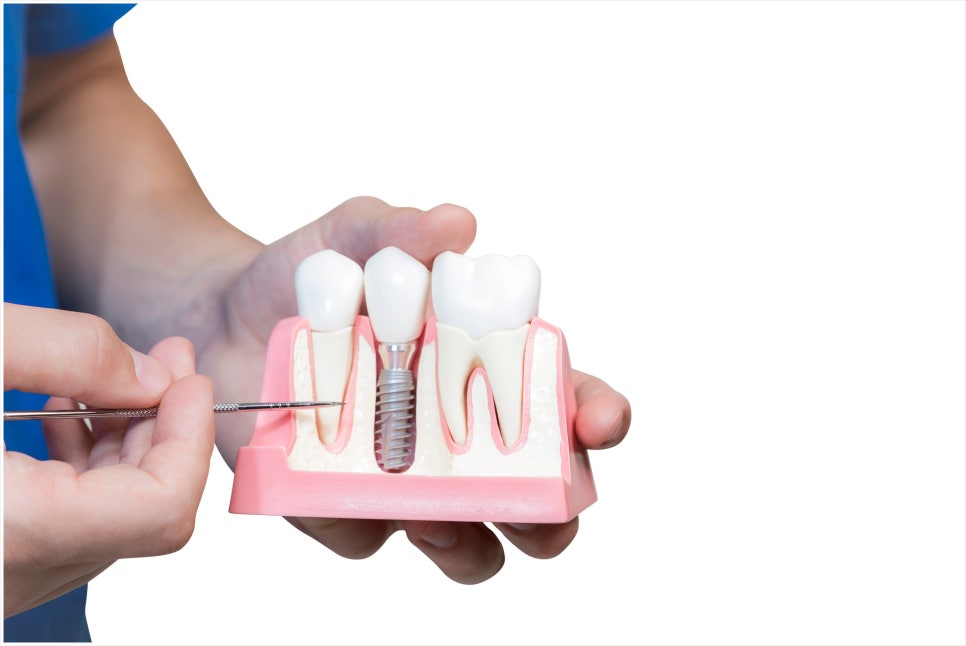
The implant treatment process
may vary depending on
the patient’s jawbone condition, implant placement site,
and surgical method.
In some cases, treatment can be completed
with a single surgery,
while in others, it is carried out in stages.
When treatment is divided into stages,
second-stage surgery is required.
What process does it involve? 👀
What is the process of
second-stage implant surgery?
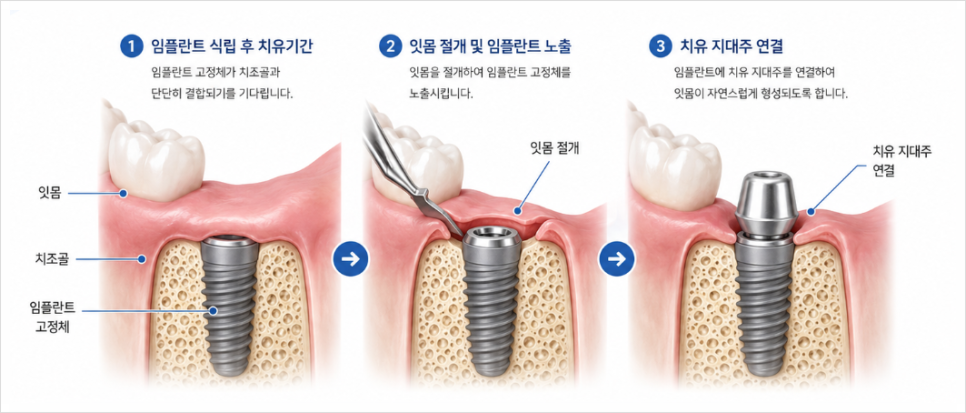
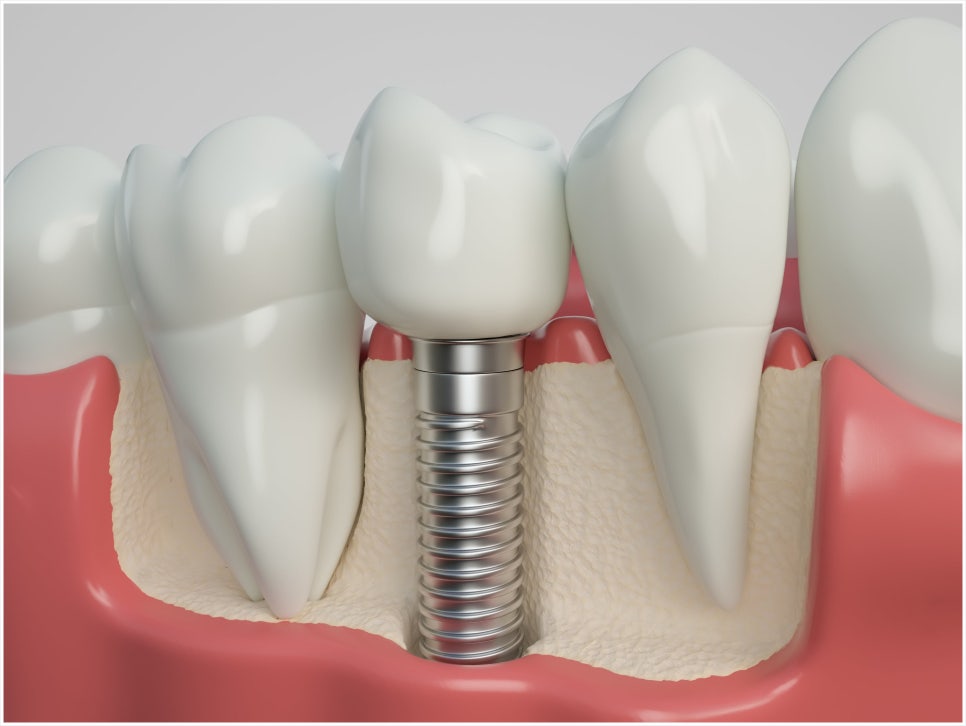
First, during the first-stage surgery,
a fixture, an artificial tooth root that serves the role of a tooth root,
is placed in the jawbone,
and a cover screw, the cap for the fixture,
is attached before the fixture is buried beneath the gums.
Rather than placing the prosthesis immediately after implantation,
enough time is allowed for healing
so that the fixture can firmly integrate with the bone.
This period varies depending on the individual’s bone condition
and the treatment site,
but it usually takes several months.
Once it is determined that the implant has
stably integrated with the bone,
the next step, second-stage surgery, is performed.
Second-stage implant surgery involves
removing the cover screw
that was buried beneath the gums
and connecting a healing abutment
in its place.
When the healing abutment is connected,
the gum tissue heals around it,
creating space for the prosthesis.
It helps form the gum contours
where the prosthesis will be placed
and can be considered a preparation step
for the subsequent prosthesis placement.
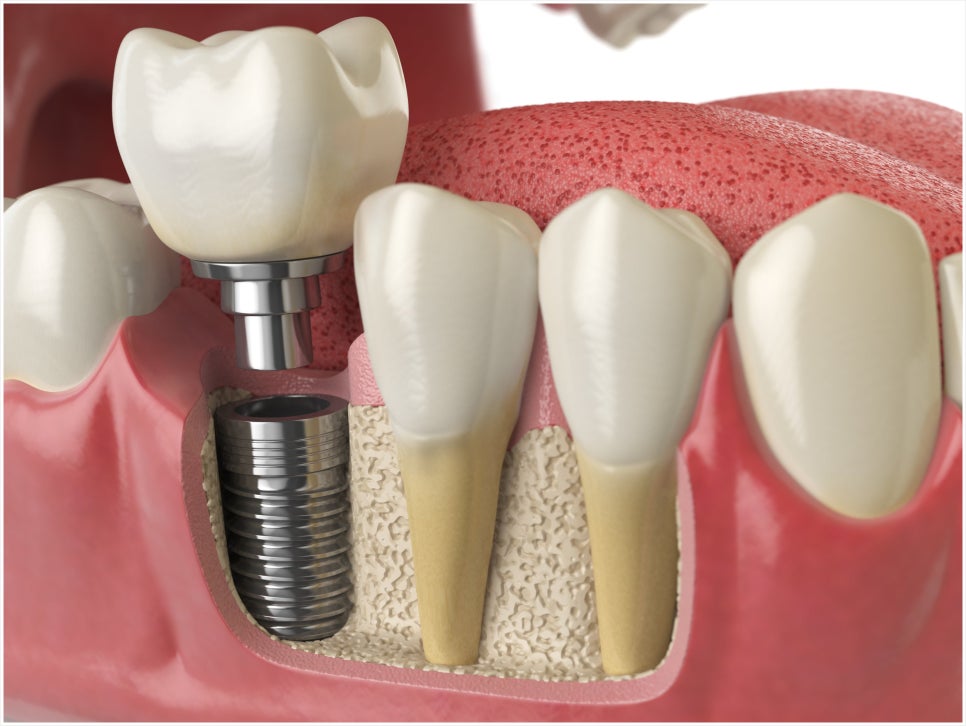
An implant prosthesis
is not simply placed on top.
It must connect naturally with the gums
and harmonize with the surrounding teeth.
At this point, when the gum contours are well formed,
the prosthesis can fit more precisely,
allowing for a more natural-looking
aesthetic result.
When these steps are carried out properly,
more stable results can be achieved
when taking impressions later
or fabricating the prosthesis.
Second-stage surgery is also a time
to check the condition of the implant again.
It allows the dental team to check
whether the implant has integrated well with the bone,
whether there is any inflammation in the surrounding gums,
and whether there are any signs of infection or discomfort.
If a problem is found,
necessary treatment can be provided
before moving on to the prosthetic stage.
Many people also feel concerned
because it is called surgery.
It is usually performed under local anesthesia
and is relatively simple compared with the first-stage surgery.
Because it is performed by making a small incision in the gums
or exposing only the necessary area,
the procedure does not usually take long,
and the recovery burden is often limited.
Of course, individual experiences may vary,
but in most cases, it is performed
without significantly interfering with daily life,
so there is generally no need to worry excessively.
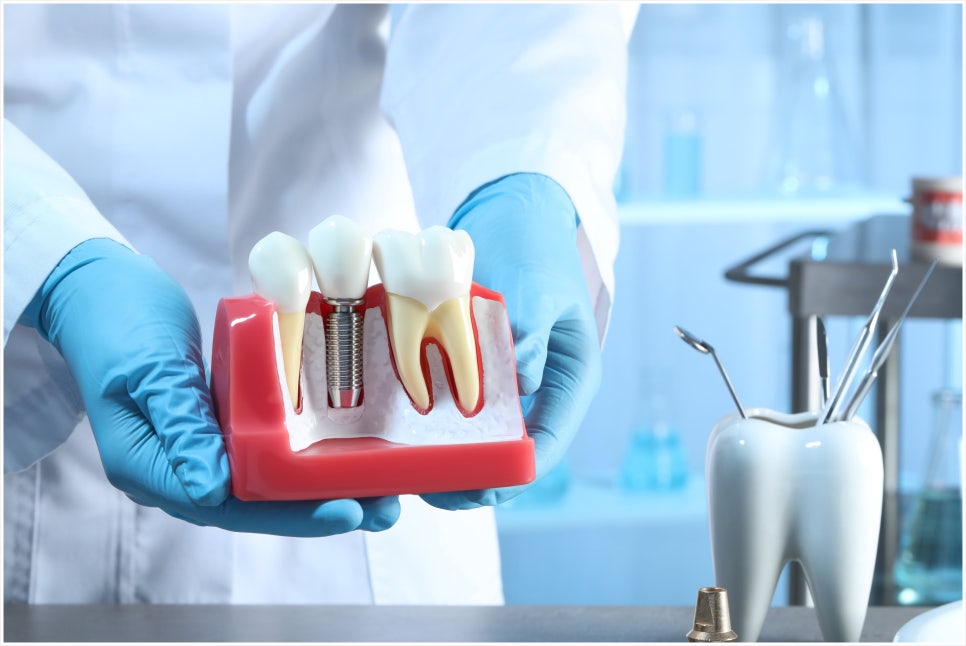
Implant treatment is not completed
by placing the artificial tooth root alone.
The healing process after placement,
second-stage surgery,
and connection of the prosthesis
must all proceed properly
for long-term stable use!
If you have already completed
the first-stage surgery during your implant treatment,
please understand the role of second-stage surgery
and continue with the treatment process
according to your dentist’s instructions.
Today, we explored your questions
about second-stage implant surgery.
We’ll be back with another topic next time!
Thank you :)