Eating after resin treatment,
what should you be careful about?
Cavities are a common oral disease
that can occur in people of all ages and genders.
When brushing is insufficient or
food remains between the teeth for a long time,
the likelihood of developing cavities increases.
If a cavity is detected early,
it can often be treated with a relatively simple resin procedure
while preserving as much of the natural tooth as possible.
However, the entire process
does not end simply because the resin treatment is complete.
Because the lifespan and outcome of the resin
can vary depending on how it is cared for after treatment,
it is important to be familiar with the necessary precautions.
Today, we will take a detailed look at eating and care after resin treatment,
which many people have questions about! 🦷
So, when can you eat
after resin treatment?
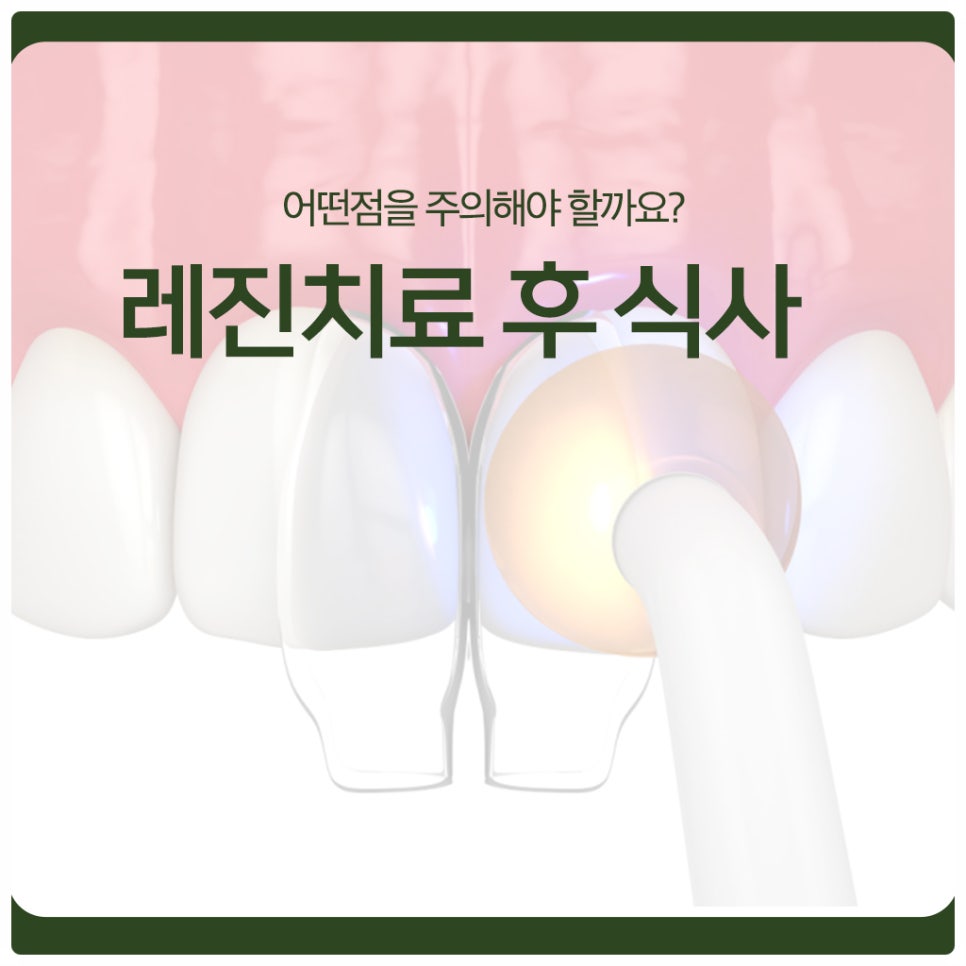
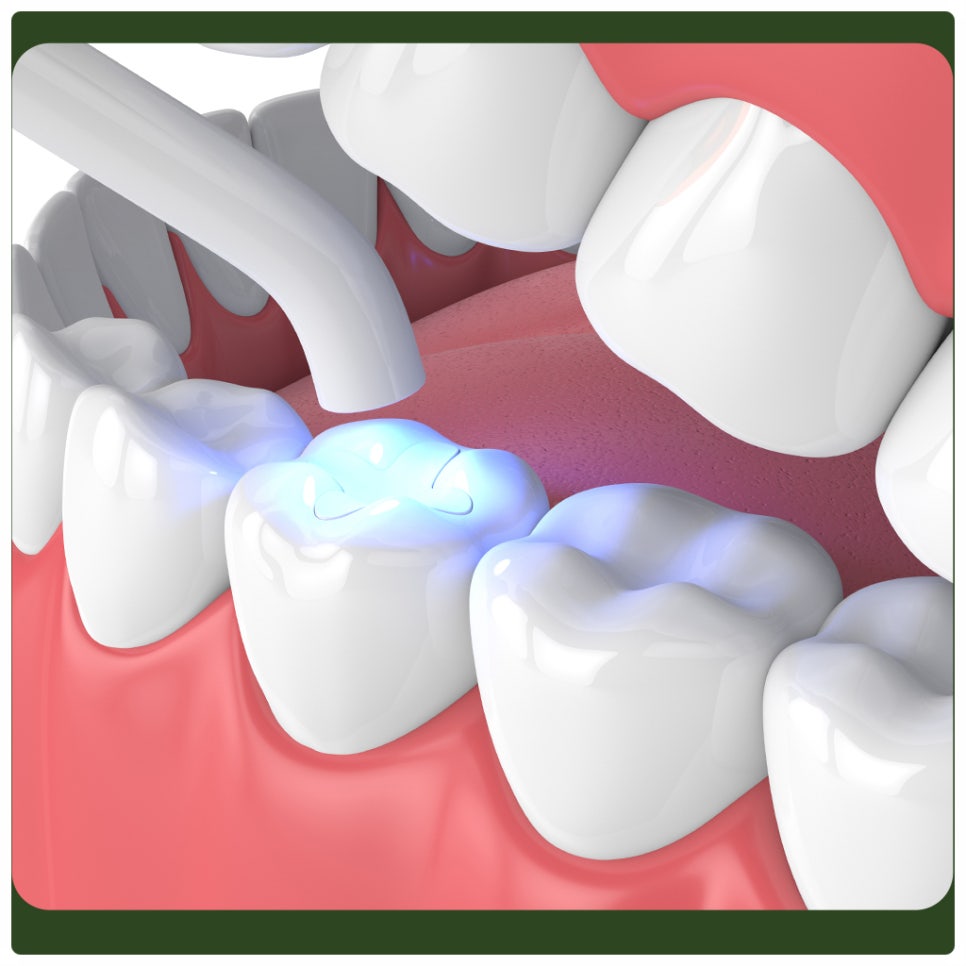
Resin treatment is performed
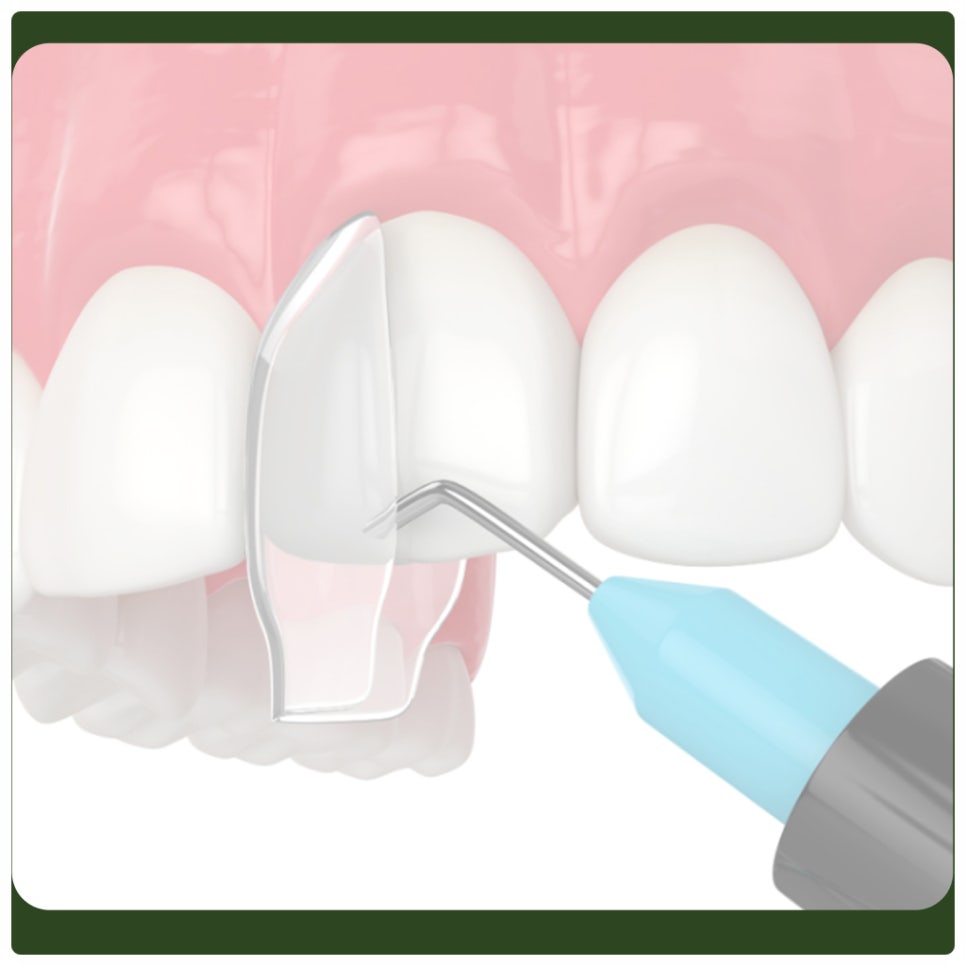
by removing the part of the tooth damaged by the cavity,
filling it with a composite resin material similar in color to the tooth,
and hardening it with a special light.
Because resin gains a certain degree of strength
immediately after treatment,
it is usually possible to eat right away.
However, this is different if anesthesia was used during the procedure.
When the mouth is numb,
the sensation in the lips, tongue, and inner cheeks is reduced,
so you may accidentally bite the soft tissue while eating
without realizing it and injure yourself.
Therefore, if anesthesia was used,
it is recommended that you wait to eat
until sensation has fully returned.
Although this varies from person to person,
the effects of anesthesia generally last about 2–3 hours,
so it is best to postpone eating during this time.
Immediately after resin treatment,
the tooth may temporarily become sensitive.
In particular, consuming very hot foods
or cold drinks may occasionally cause
sensitivity or discomfort.
This may be a natural response
as the tooth in the treated area adapts to temperature changes.
Therefore, it is best to avoid foods
that are too hot or too cold on the day of treatment.
In most cases, these symptoms gradually improve
within a few days, so there is usually no need to worry too much.
However, if pain or sensitivity lasts
for more than a week or gradually worsens,
please visit a dentist for a thorough examination.
Although resin has a strength similar to that of natural teeth,
it may crack or come loose
if excessive force is repeatedly applied.
In particular, hard or chewy foods such as
squid, dried beef, ice, and nuts
can place excessive stress on the treated area,
so caution is needed.
If you have received resin treatment on a front tooth,
it is also best to avoid biting into a whole apple
or using the front teeth to bite through hard foods.
Resin also has excellent aesthetic qualities
and the advantage of having a color similar to natural teeth.
However, it also has the characteristic
that discoloration may occur over time
as pigments penetrate the material.
Foods and drinks such as coffee, black tea,
green tea, wine, curry, and cola
are especially likely to cause staining.
It is best to reduce your consumption of these foods
immediately after treatment,
and if you do consume them, brushing your teeth
as soon as possible can help.
If brushing right away is difficult,
rinsing your mouth several times with water
or using mouthwash can help remove
any remaining pigments.
Resin treatment is a relatively simple way
to treat cavities,
but if aftercare is neglected,
new cavities may develop around the resin
or the treated area may become damaged.
Therefore, it is important to make thorough toothbrushing
and flossing part of your daily routine,
and to receive regular scaling and dental checkups.
In addition, visit the dentist every six months
to have the condition of the resin and your dental health checked,
so that you can maintain them in good condition for longer.
With just a little attention to eating
and your daily habits after resin treatment,
you can maintain the results of the treatment for a long time.
Follow the precautions after treatment carefully
and take care of your healthy teeth for many years! 🤗