Precautions After Gum Treatment,
What Should You Be Careful About?
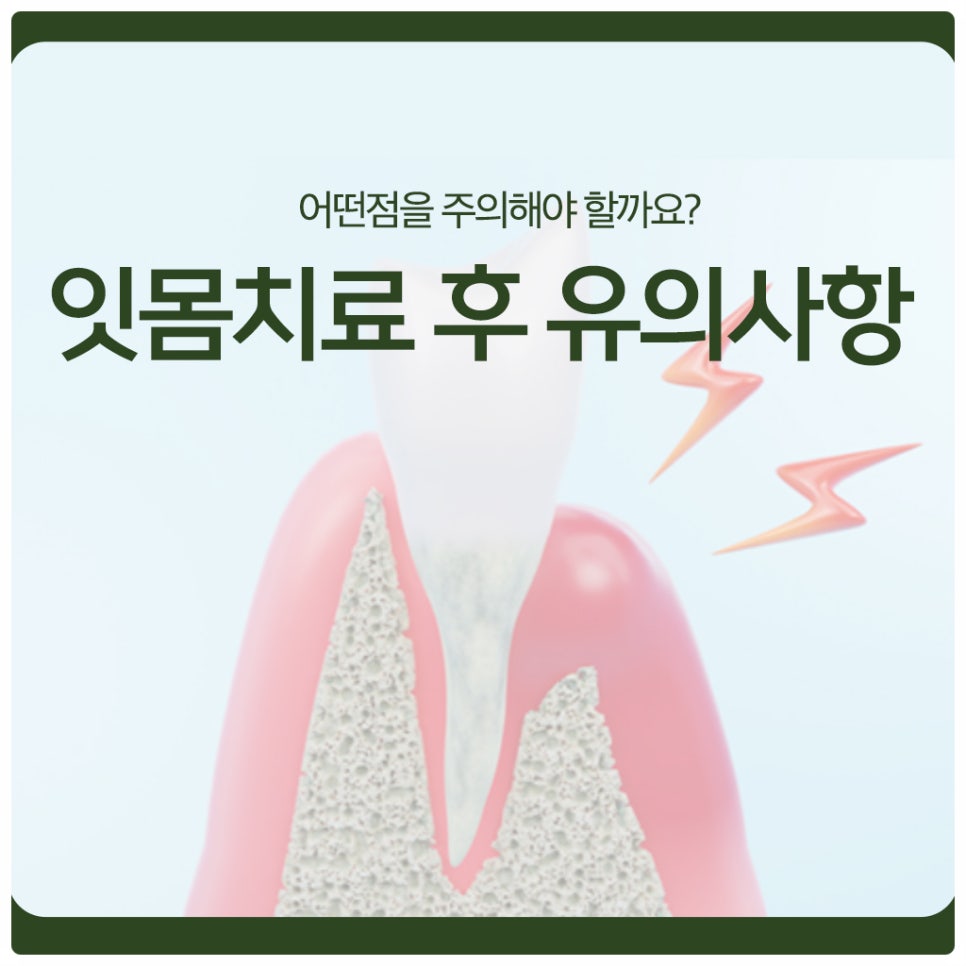
After receiving gum treatment,
it is easy to think that the treatment is now over,
but you also need to pay attention to your care afterward.
For a few days after treatment,
your gums may be sensitive,
and your teeth may feel sensitive or uncomfortable.
What you eat during this time,
how you brush your teeth,
and how you adjust your lifestyle
can all affect the recovery process.
Today, we will take a detailed look at
why gum treatment is performed,
what precautions to take after treatment,
and how to care for your gums to support recovery! :)
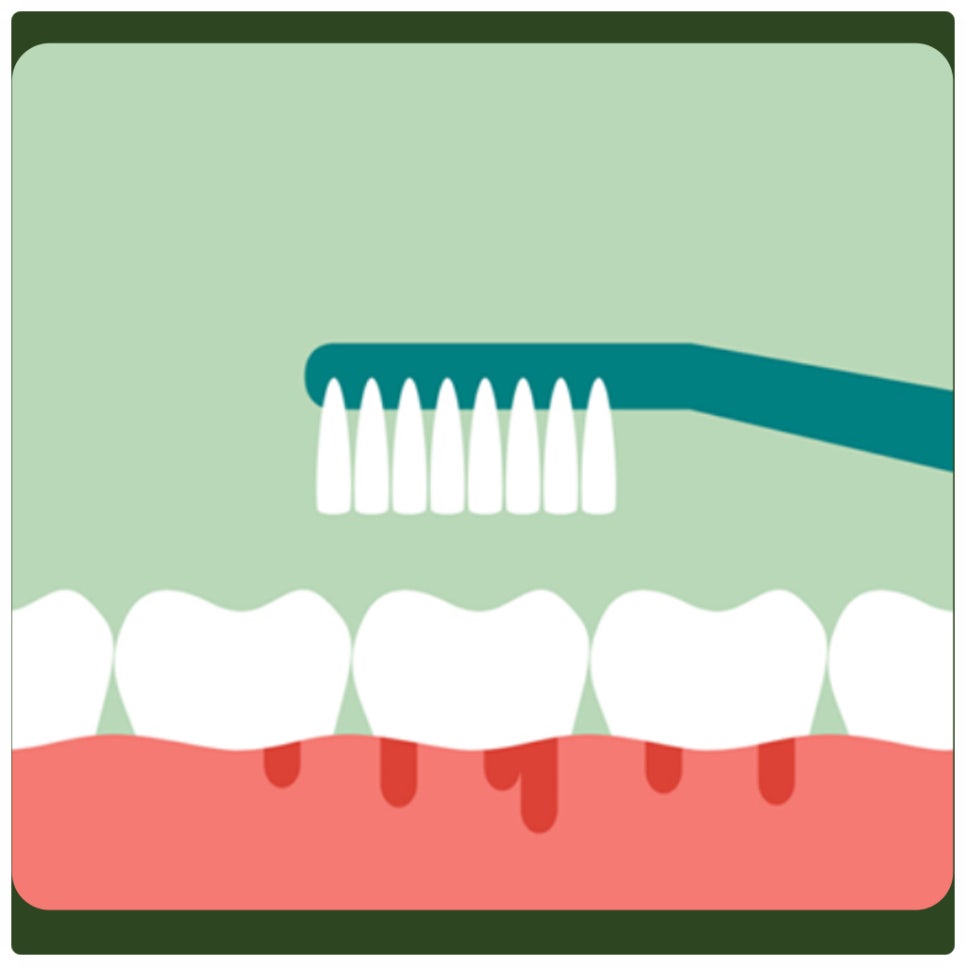
If blood appears on your toothbrush every time you brush,
or if you feel a throbbing sensation
or discomfort when chewing food,
periodontal disease may be suspected.
Periodontal disease is a condition in which inflammation develops
in the gums and surrounding tissues
that cover and support the teeth.
Because there is often no noticeable pain in the early stages,
many people do not take it seriously,
but over time, the inflammation can deepen
and even affect the jawbone.
The problem is that it can be difficult
to recognize its severity on your own
until it has progressed to some extent. (ㅠㅠ)
Therefore, if changes such as bleeding, swelling, bad breath,
gaps between the teeth, or loose teeth appear,
it is necessary to have your condition checked.
What problems can occur
if gum disease develops?
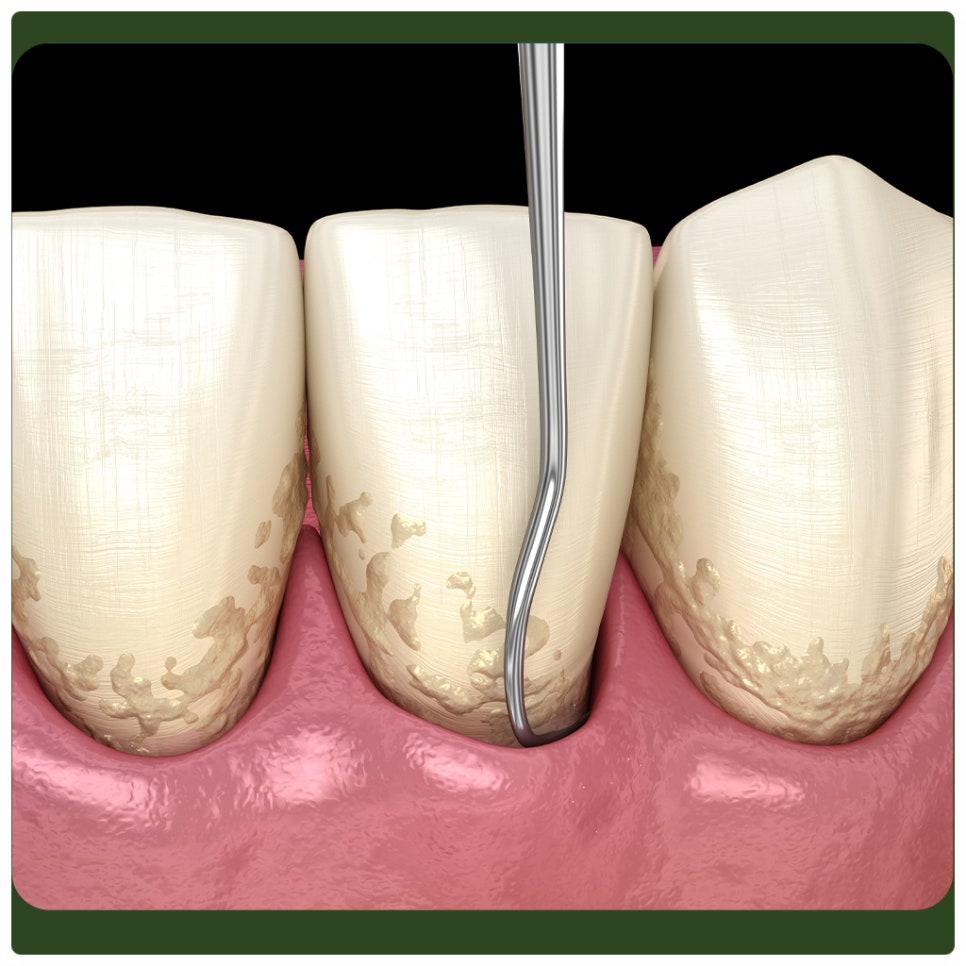
As gum disease continues to progress,
tartar and bacterial inflammation accumulated around the teeth
can extend deeper inside.
During this process,
if the jawbone that firmly supports the teeth
gradually diminishes,
the teeth may become loose
and chewing strength may decrease.
In severe cases,
even if the teeth themselves do not have significant cavities,
the tissues supporting them may weaken,
leading to a situation in which
it becomes difficult to preserve the natural teeth.
Therefore, it is important not to overlook
the small signals sent by your gums
and to receive treatment when necessary.
So, how is gum treatment
performed?
If periodontal disease is in its early stages,
it may be possible to manage it with scaling alone,
which removes plaque and tartar attached to the tooth surfaces.
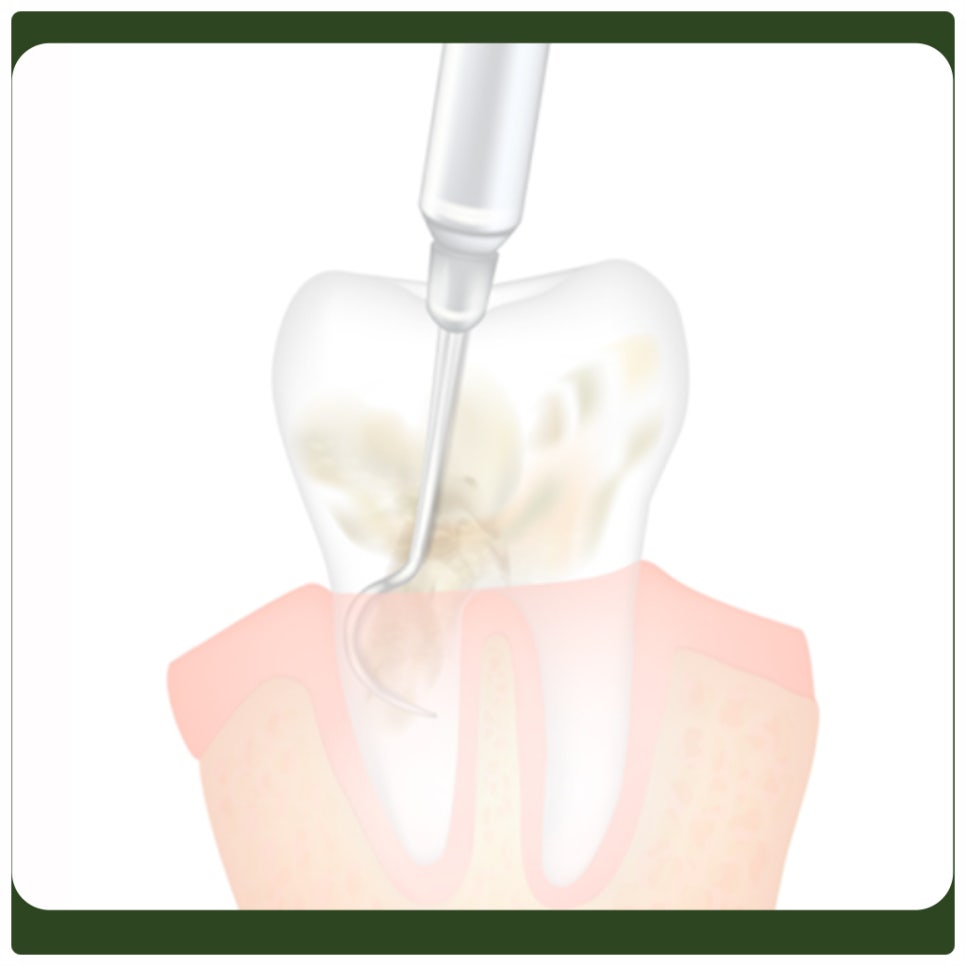
However, if the inflammation has progressed beneath the gums,
regular scaling alone may not be sufficient,
and treatment to remove tartar
and inflammatory material remaining
in the deeper areas between the teeth and gums
may be necessary.
This treatment thoroughly cleans the surfaces of the tooth roots
and manages the inflamed areas
to help the gums settle stably
around the teeth again.
If the inflammation covers a wide area
or the instruments cannot easily reach the affected area,
opening the gums to directly examine the inside
and perform treatment may also be considered.
Q. Precautions After Gum Treatment?
📌 After gum treatment, it is best to begin eating
after the anesthesia has completely worn off.
While the anesthesia is still active,
sensation in the tongue, lips, and inside of the cheeks is reduced,
so you may bite yourself without realizing it
and cause an injury.
📌 On the day of treatment, it is best to avoid foods
that are too hot or too cold.
When the gums and teeth are sensitive,
they may react strongly to temperature刺激,
making sensitivity or discomfort feel more intense.
📌 It is also best to be careful with hard or chewy foods
for the time being.
Spicy or otherwise irritating foods
may cause discomfort in the treated area,
and hard foods may place a burden on the gums.
📌 Alcohol may irritate the treated area,
and smoking may slow recovery,
so avoiding them for a certain period after treatment is recommended.
📌 This does not mean that you should stop brushing your teeth;
it is important to brush gently
while minimizing irritation.
If you neglect brushing
because the treated area feels uncomfortable,
plaque may build up again
and the inflammation may recur.
In addition, after treatment, your teeth may feel
more sensitive than before
or as though they are slightly loose.
These may be temporary reactions
that occur as the tartar attached around the teeth is removed
and the gums recover.
However, if the discomfort continues for a long time
or the pain becomes severe,
it is best to have your condition checked
by a dentist rather than trying to judge it yourself.
If you follow the precautions after gum treatment
and maintain proper oral care habits,
this can help you keep your natural teeth healthy
for a longer time. :)
Also, gum disease is not a condition
that will never return just because it has been treated once.
It is important to check whether your gums bleed
when you brush your teeth,
whether they swell frequently,
or whether you feel that gaps are forming between your teeth.
If even small changes keep recurring,
please visit a dentist and have them checked!