Peri-implantitis,
proper care is needed to prevent it!
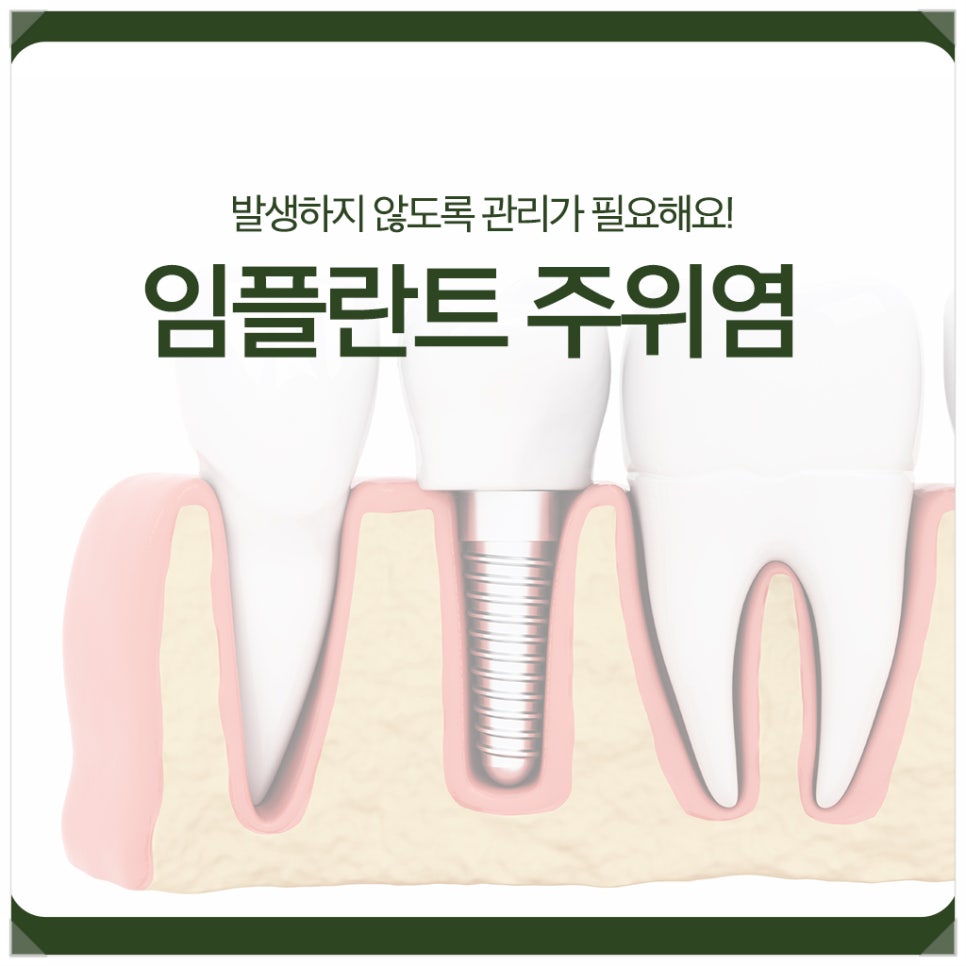
Implant treatment does not
end once the implant has been placed.
Although you may initially be able to use it comfortably like a natural tooth,
if care is insufficient,
inflammation can develop in the gums,
and in severe cases,
it can even lead to a situation where the implant that was difficult to place
needs to be removed again.
In particular, because implants are artificial teeth,
many people neglect their care
because they do not develop cavities.
Although cavities do not develop,
the gums and jawbone that support the implant
are still tissues in your body.
Therefore, if inflammation develops,
it can progress to peri-implantitis...! (ㅠㅠ)
An implant chosen after losing a tooth!
If you want to use it for a long time,
care after placement is even more important.
Today, we will look together at
why peri-implantitis develops
and how it should be managed :)
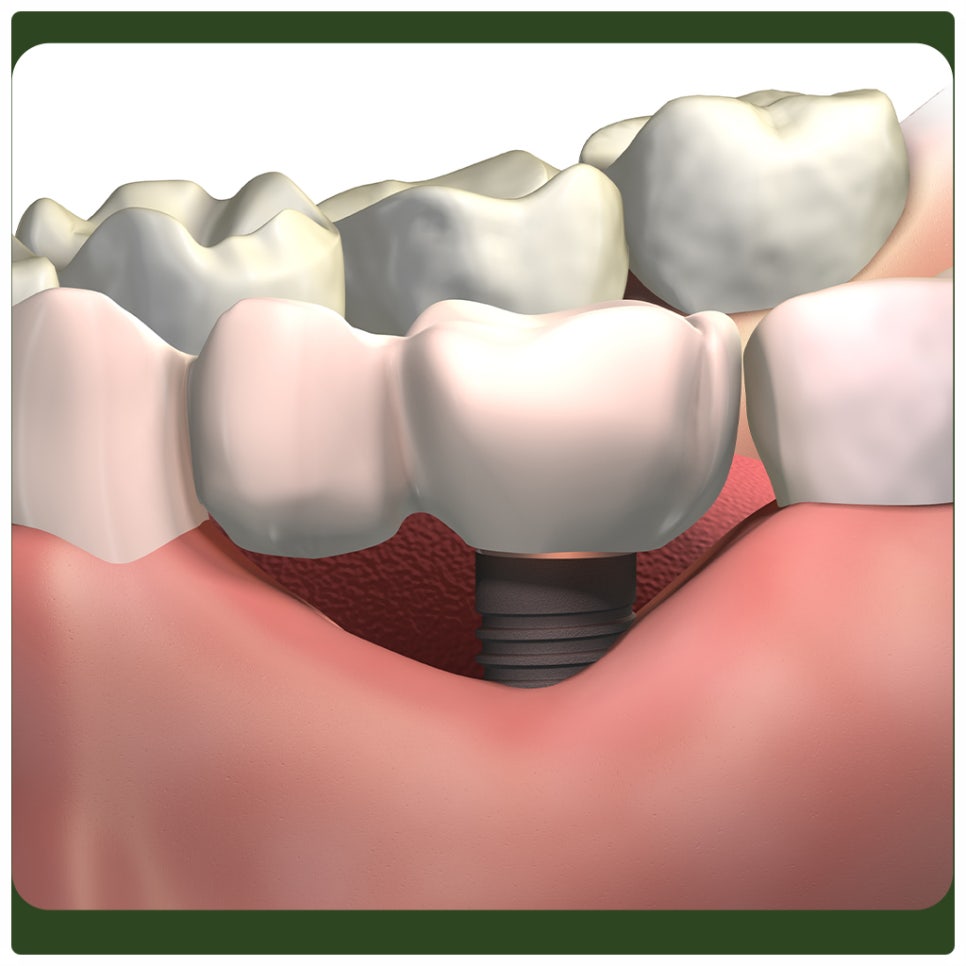
Peri-implantitis
is a condition in which the tissues around an implant become inflamed.
If it progresses, it can also affect the jawbone that supports the implant.
The most common cause
is the buildup of plaque and tartar
around the implant
due to insufficient oral hygiene.
Smoking, an improper bite, and other factors
can also work together
to cause inflammation.
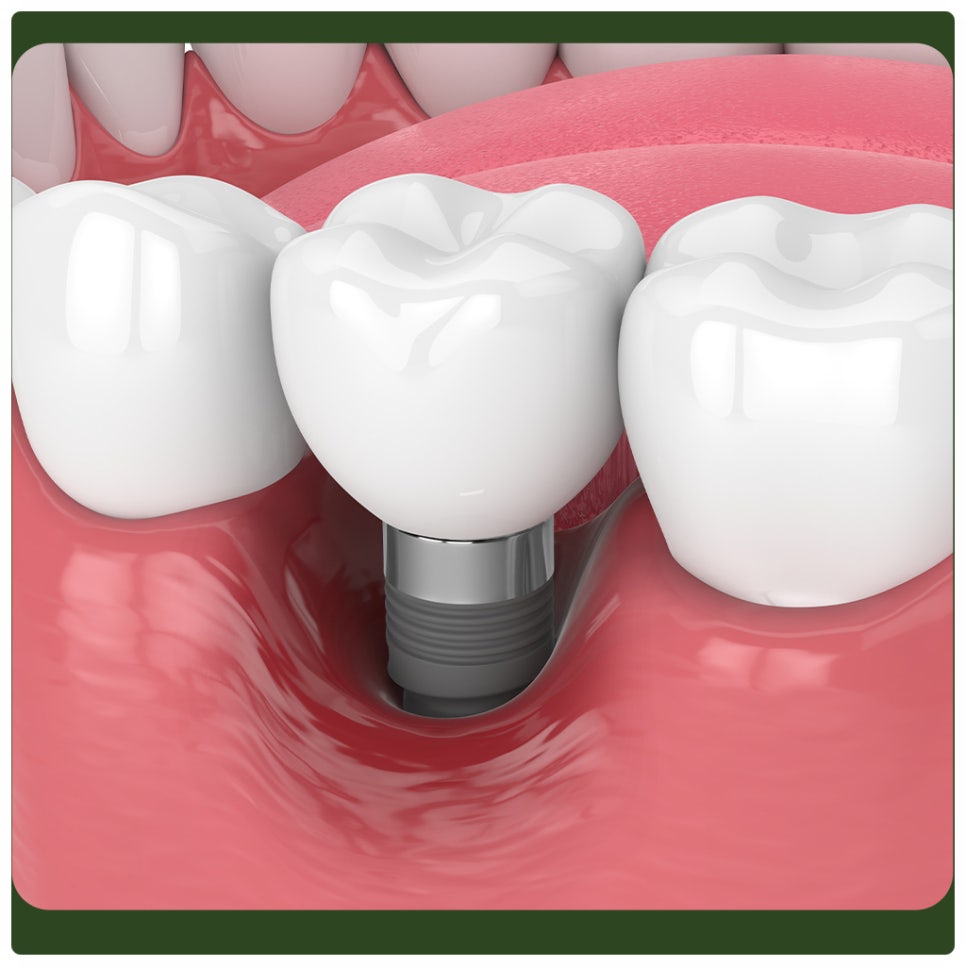
In the early stages, the gums around the implant
may become red or swollen,
and you may notice bleeding when brushing
or feel discomfort.
However, if this is left untreated,
pus may develop,
or the jawbone may gradually weaken.
In severe cases, the implant may become loose
or the situation may progress to the point
where it needs to be placed again.
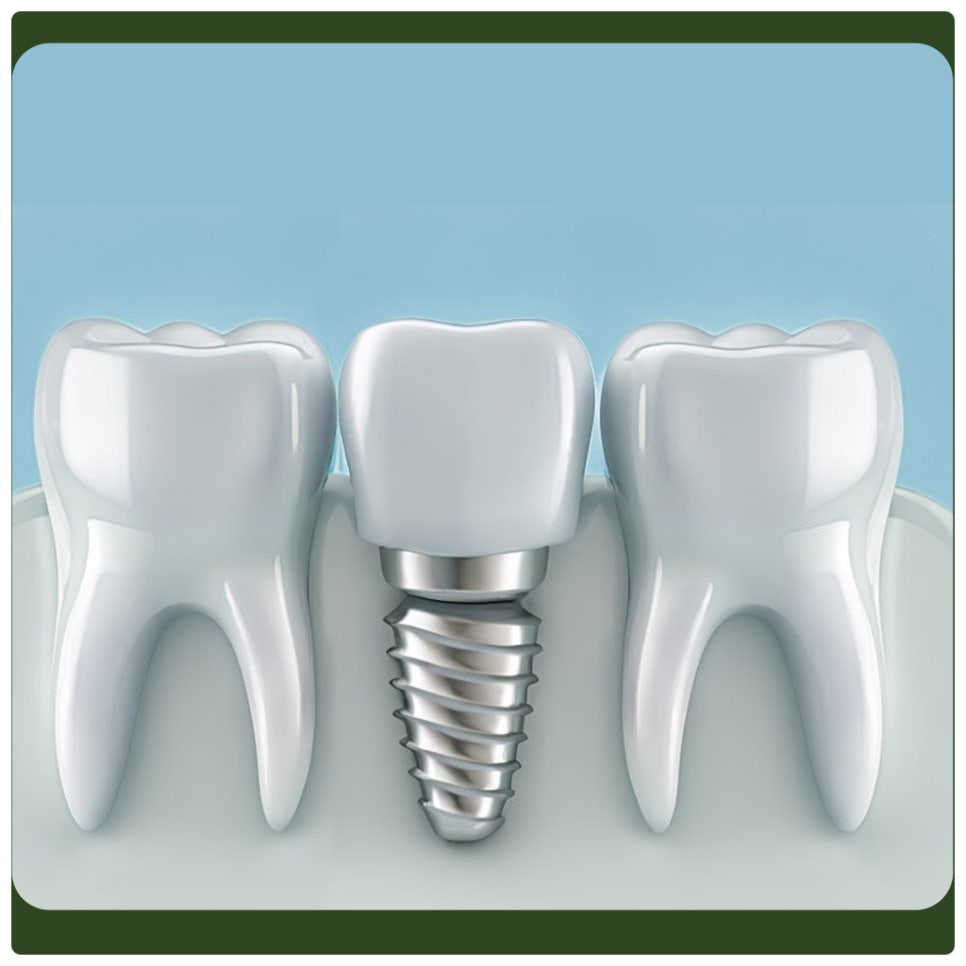
Unlike natural teeth,
implants do not contain nerve tissue internally,
so it is often difficult to notice a problem immediately
in its early stages.
Even if inflammation develops in the surrounding gums,
there may be little or no pain at first,
and the discomfort may not be obvious,
making it easy to overlook.
Therefore, rather than assuming that
“everything is fine because it does not hurt,”
it is important to check the condition of the gums
and changes in the surrounding bone
through regular dental examinations.
Even seemingly minor changes,
such as slight bleeding or swelling,
can lead to peri-implantitis if left untreated.
If you notice anything unusual,
it is best to have your condition checked
by a dentist as soon as possible.
To prevent peri-implantitis,
visit the dentist regularly
to check the condition of the implant and gums.
At the same time,
you should also pay close attention
to your daily oral care habits.
In particular, brushing alone
may not completely remove food debris or plaque
from around the implant.
Therefore, we recommend actively using
oral care products such as interdental brushes
or a Waterpik.
Dietary habits are also important
for using an implant for a long time.
Frequently chewing hard or tough foods
can cause the prosthesis to crack or wear down,
and may cause the screw connecting
the implant and prosthesis to loosen.
Please keep this in mind.
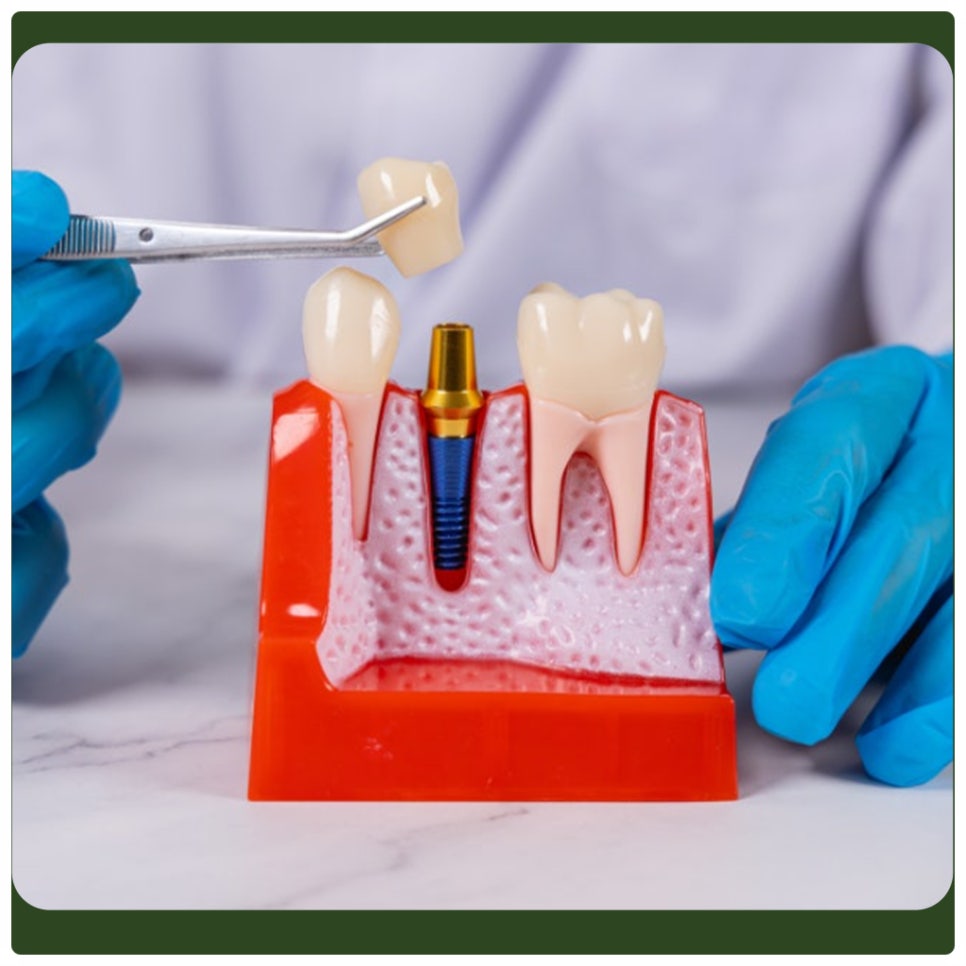
Therefore, if you want to maintain your implant
in a healthy condition,
it is important to consistently continue
thorough brushing habits,
the use of oral care products, and dietary management.
Even if you do not have any particular symptoms,
regular visits to the dentist
to check the condition of the implant and jawbone
can help address small problems
before they become more serious.
If you want to use your implant
healthily for a long time,
the answer is ultimately consistent care
and regular dental examinations.
Please follow the information explained today
and we hope you can use your implant well
for a long time! 💕