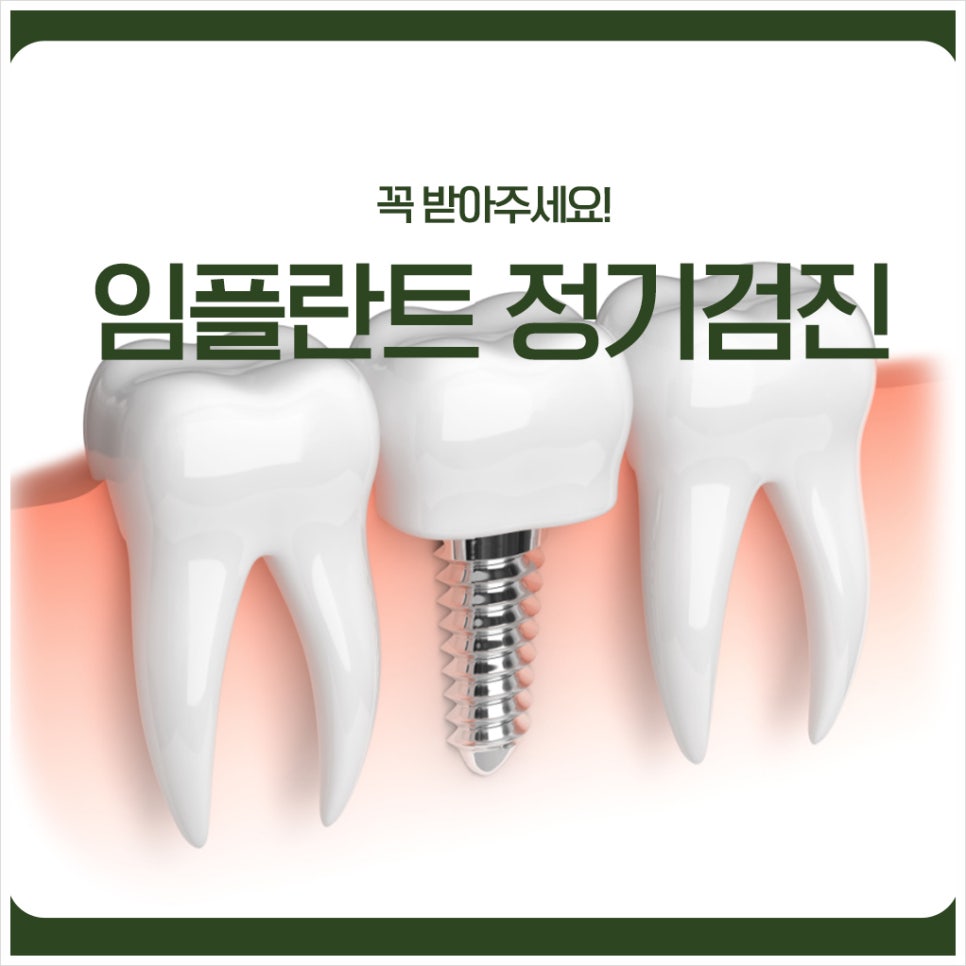
Regular implant checkups,
please make sure to attend them!
When you lose a tooth,
not only does chewing food become uncomfortable,
but the teeth around the empty space may gradually shift,
which can also cause changes in your overall bite.
One of the treatments that may be considered in this situation
is an implant.
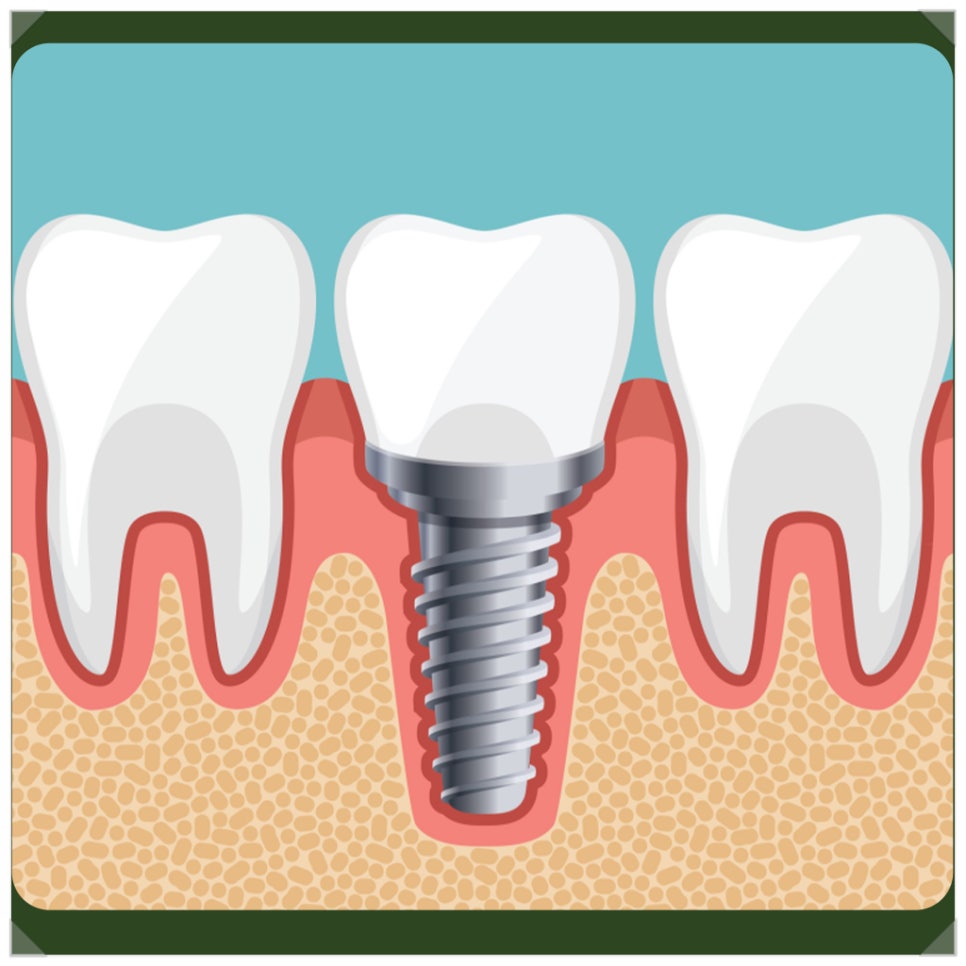
An implant is a treatment that restores
function and appearance
by placing an artificial tooth root
in the area where the tooth was lost
and then connecting a prosthesis on top of it.
It can restore the missing area
without significantly altering the surrounding healthy teeth.
Because it is fixed to the jawbone,
it can also be used relatively stably
when eating.
Because of these various advantages,
more and more people are receiving
implant treatment.
However, just because implant treatment is complete
does not mean that all care is finished.
Just as you brush your teeth every day
and have regular checkups
to use your natural teeth for a long time,
implants also require consistent oral care
and regular checkups.
Implants do not develop cavities,
but do they still need to be maintained?
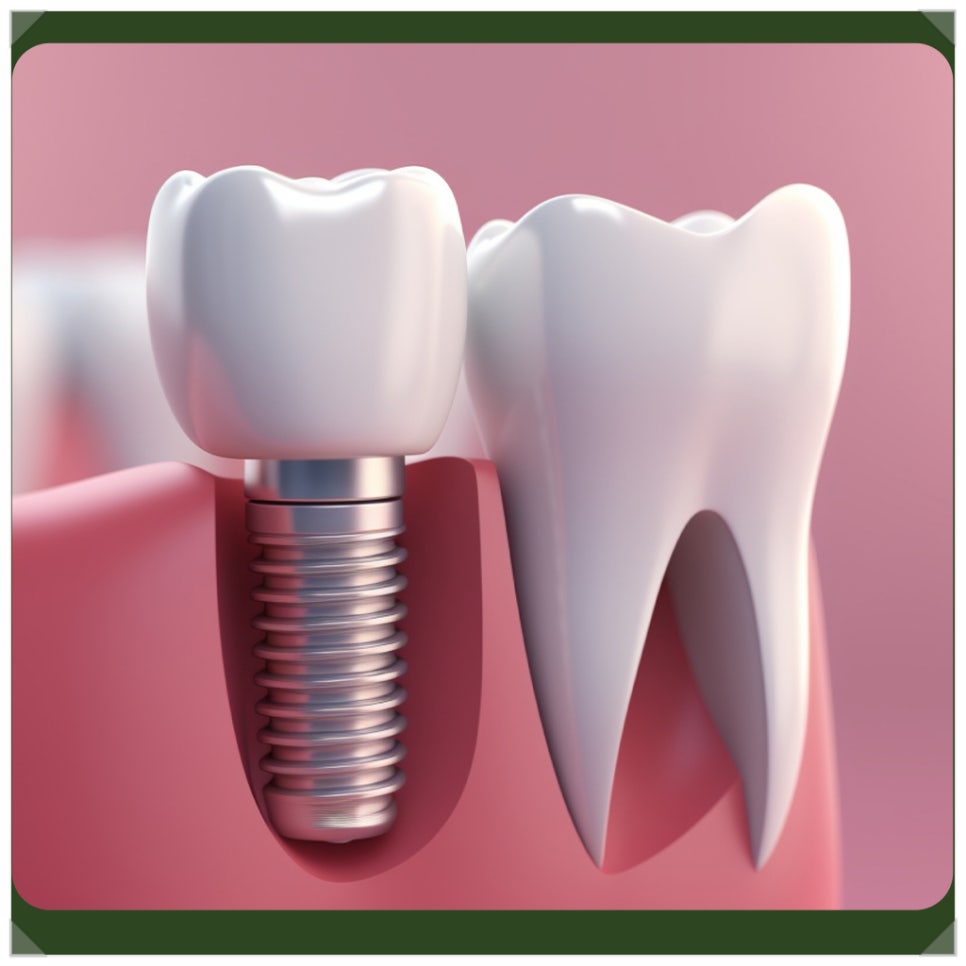
Although implants do not develop cavities,
that does not mean they do not require care.
Food particles and plaque can also remain around implants,
and if this continues for a long time,
inflammation may develop in the surrounding gums.
It may begin with only a little bleeding when brushing
or some swelling of the gums,
but as the inflammation progresses,
it can also affect the surrounding bone
that supports the implant.
Therefore, rather than neglecting care
because implants do not develop cavities,
it is important to pay attention to keeping
the surrounding gums and bone healthy.
Please make an effort
to maintain clean oral hygiene!
The foundation of implant care
is, as always, regular brushing.
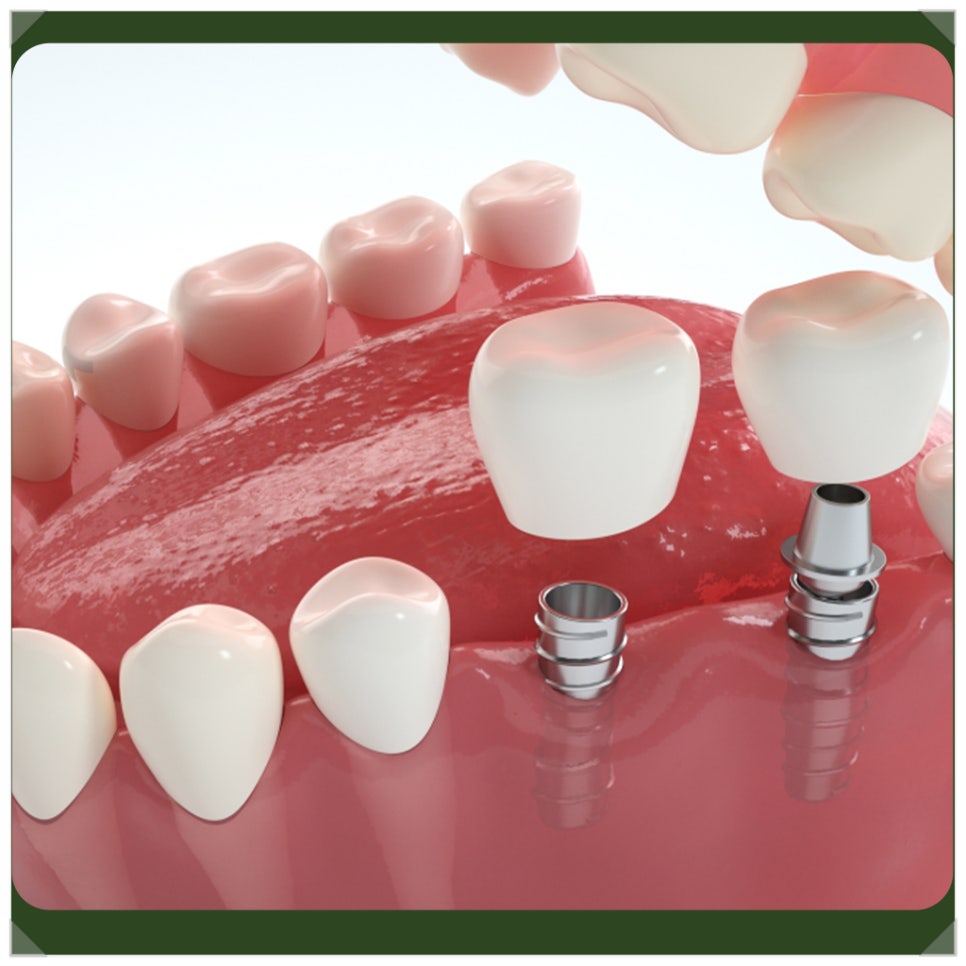
In particular, food particles and plaque
can easily remain where the prosthesis meets the gums,
so it is a good idea to clean this area
with extra care.
For areas that are difficult to clean with a toothbrush alone,
you can also use supplementary tools
such as a Waterpik or an interdental brush
for more effective care.
The position of the implant, the shape of the prosthesis,
and the spaces between the teeth
vary from person to person.
It is therefore even better to ask your dentist
to recommend oral-care aids that suit you
and use them accordingly.
Please also have regular checkups!
Many people think that
there is no need to visit the dentist
if they are not in pain or experiencing looseness.
However, regular implant checkups
are not simply checks performed
after a problem has developed.
Most importantly, changes around an implant
may not cause significant pain in the early stages.
That is precisely why
it is important to have the area checked regularly,
even when there is no noticeable discomfort.
When you have a checkup,
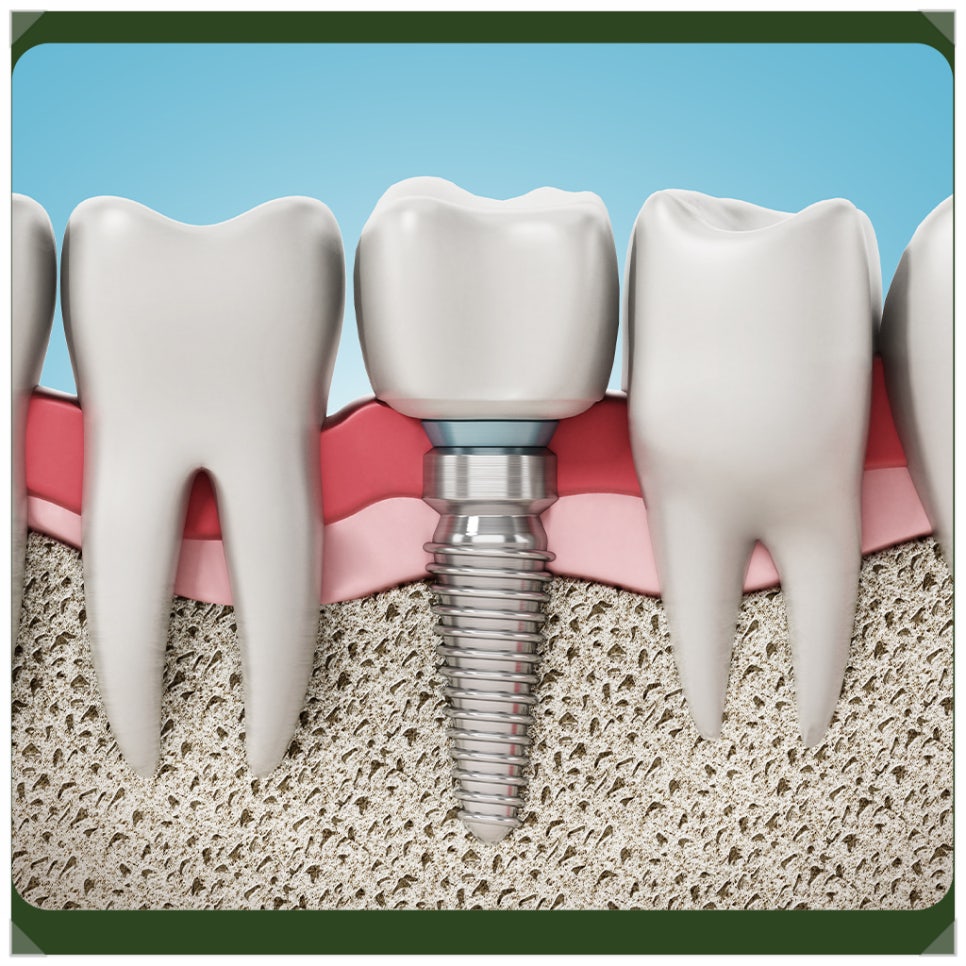
the dentist examines whether the surrounding gums
are swollen or bleeding,
and checks the condition of the bone supporting the implant
through X-rays and other examinations.
The dentist also checks whether the prosthesis
is loose or damaged,
and whether force is being distributed evenly
when you chew.
Regular implant checkups
In addition, to use your implants
stably for a long time,
it is important to review not only the care you receive
at the dentist's office
but also your everyday habits.
The habit of continuously chewing very hard or chewy foods
on one side can place stress on the prosthesis.
Clenching or grinding your teeth
can also affect your overall bite,
including the implants,
so correcting these habits is recommended.
If you develop the habit of receiving regular care
before any special symptoms appear,
you may be able to detect small changes earlier
and help use your implants more stably.
Remember that even after treatment is complete,
you need to continue caring for your implants
just as you would for your own teeth.
Please continue with regular checkups
and consistent oral care! 💕🙏🏻