Hello, this is Seoul Ove Dental Hospital. :)
The patient’s words on the first day of the consultation were brief.
"I don’t like my rabbit teeth."
“Rabbit teeth” usually refers to a condition in which the two upper central incisors appear large, long, and prominent when smiling.
Today, I’ll explain how veneers are performed in cases commonly referred to as rabbit teeth.
What I mentioned first
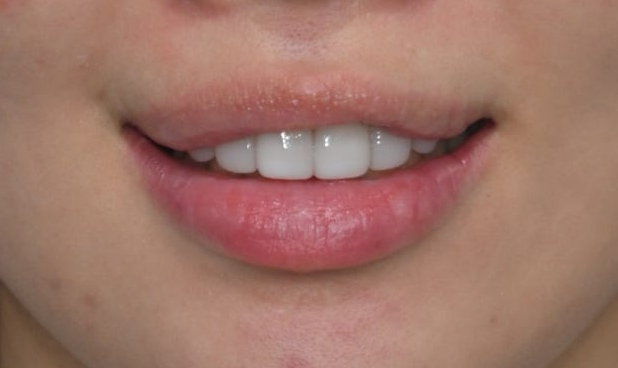
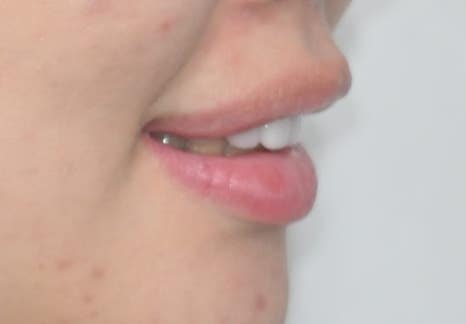
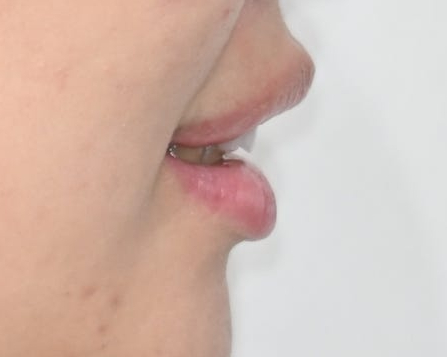
This patient’s central incisors were positioned fairly far forward.
[Jamsil veneer treatment: Before]
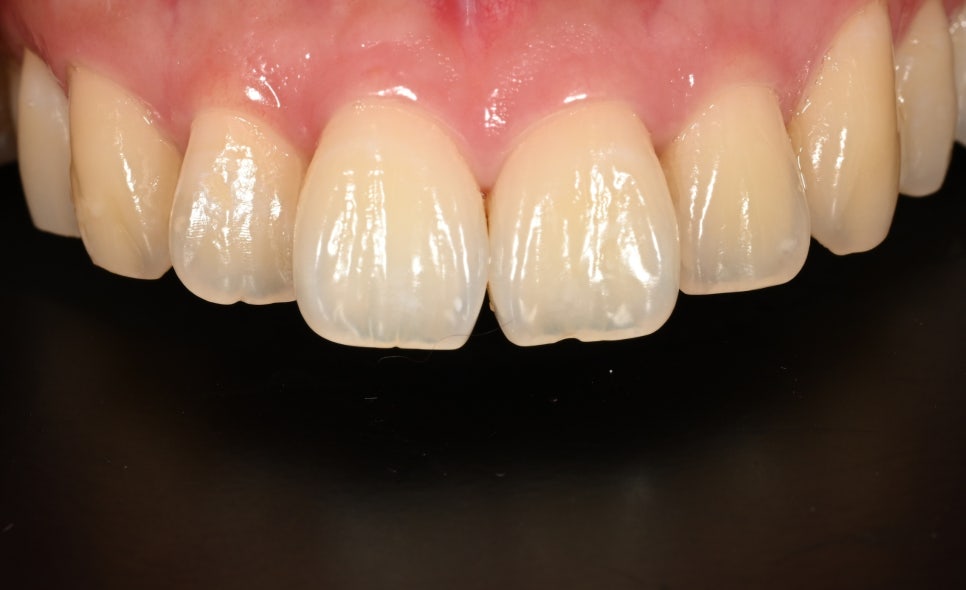
Veneers are a treatment in which ceramic is bonded to the front surface of the teeth.
To move protruding teeth completely inward, a significant amount of tooth structure would have to be removed, and even then, there are limitations.
So I explained during the consultation:
It would be difficult to move them completely inward, and the goal would be for them to look more orderly than they do now.
[Before treatment]
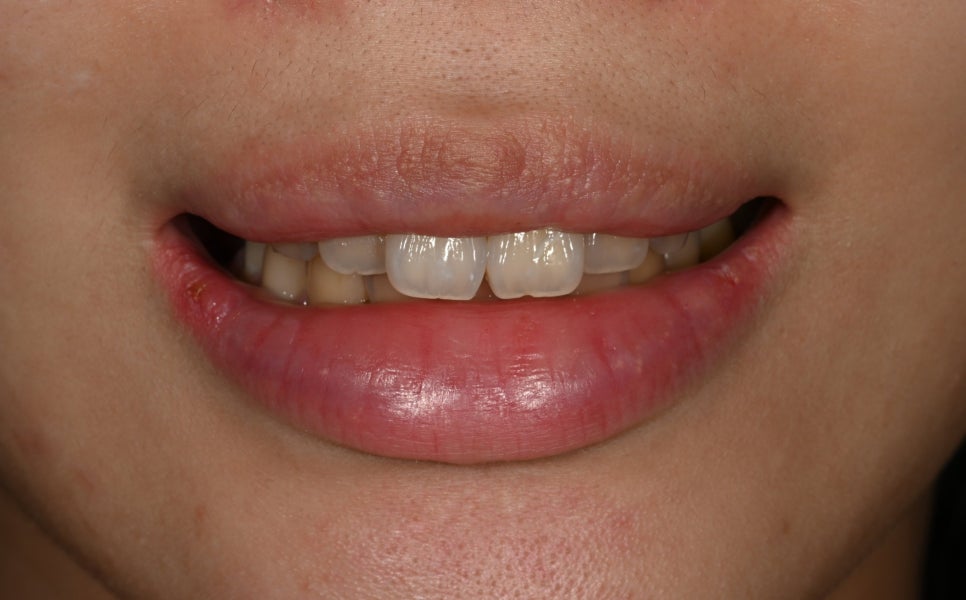
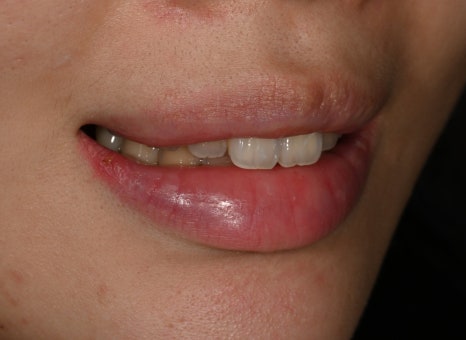
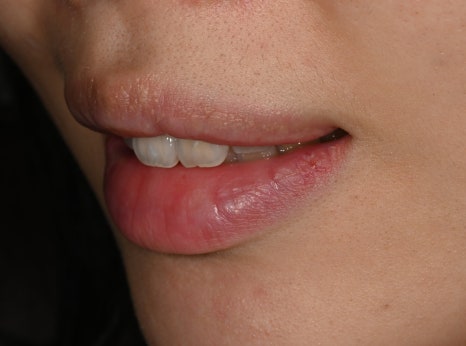
The patient understood this and decided to proceed.
Sometimes, separating what is possible from what is difficult is more important than the result itself.
Should the central incisors be reduced, or should the lateral teeth be lengthened?
Rabbit teeth generally result from one of two situations.
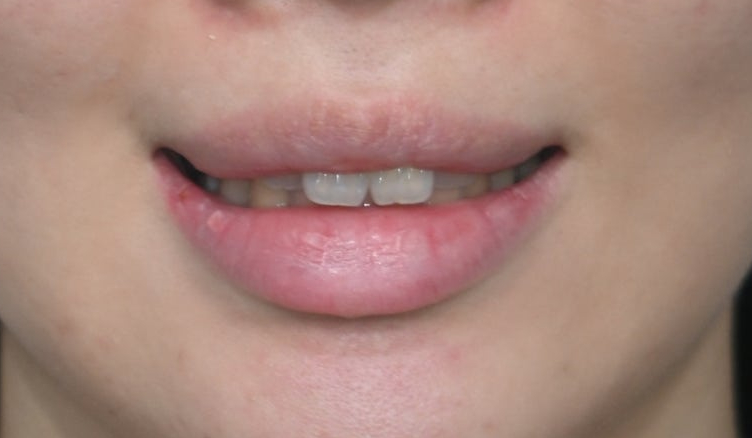
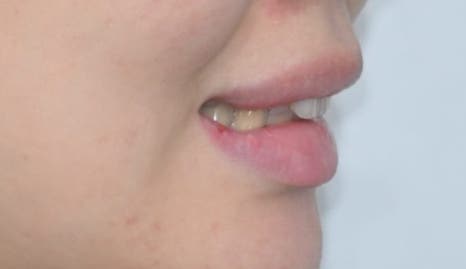
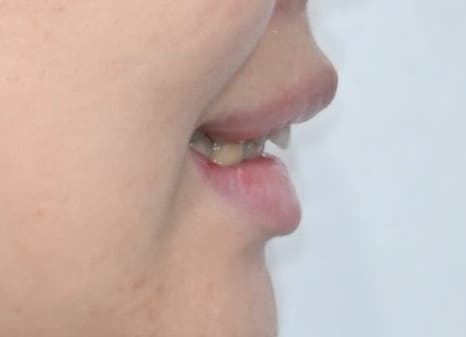
The central incisors may be large, or the teeth next to them may be small.
In most cases, both factors are involved.
Reducing the central incisors is the most straightforward approach.
However, because this patient’s incisors were positioned forward, reducing them would have required removing considerably more tooth structure.
So we took the opposite approach.
How veneers are used to address rabbit teeth
For this rabbit-teeth veneer treatment, we increased the length of the central incisors only minimally and shaped them so they would not appear overly large.
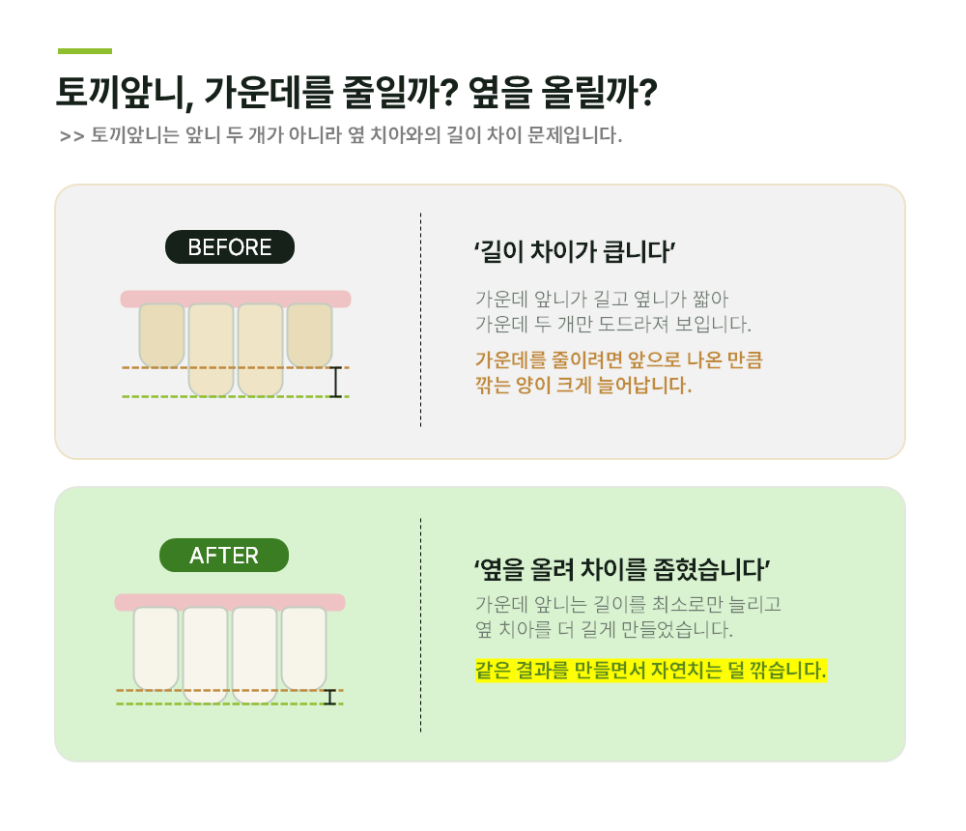
Instead, we made the adjacent teeth longer than they were before, reducing the difference in length between the two teeth.
Rather than lowering the center, we raised the sides to narrow the step between them.
This created a similar result while removing less natural tooth structure.
We brought the protruding areas inward, brought the recessed areas outward, and organized the overall arrangement as well.
[Jamsil veneer treatment: After]
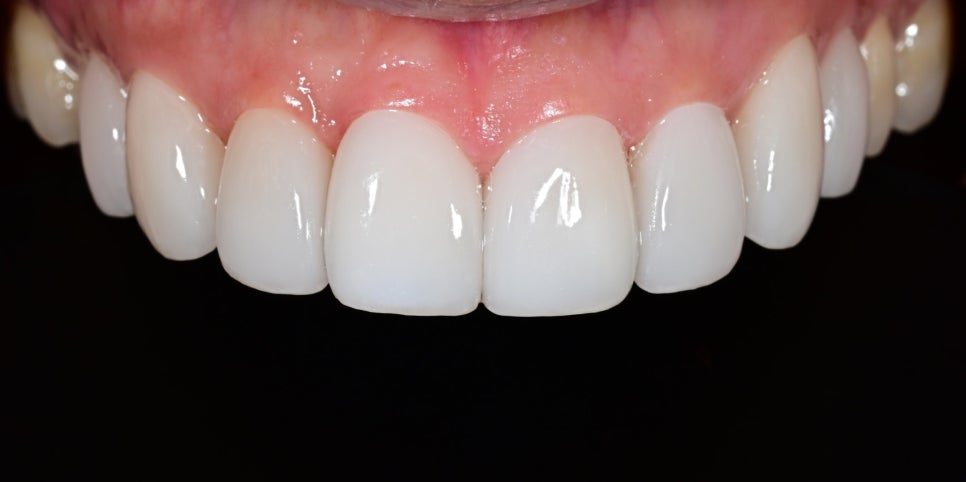
The slightly protruding areas were positioned inward, while the recessed areas were brought outward to create a balanced overall flow.
However, the two central incisors were not aligned perfectly with the row of teeth.
Forcing them into alignment would have required removing that much more tooth structure, which would have been different from the direction we established at the beginning.
[After treatment]
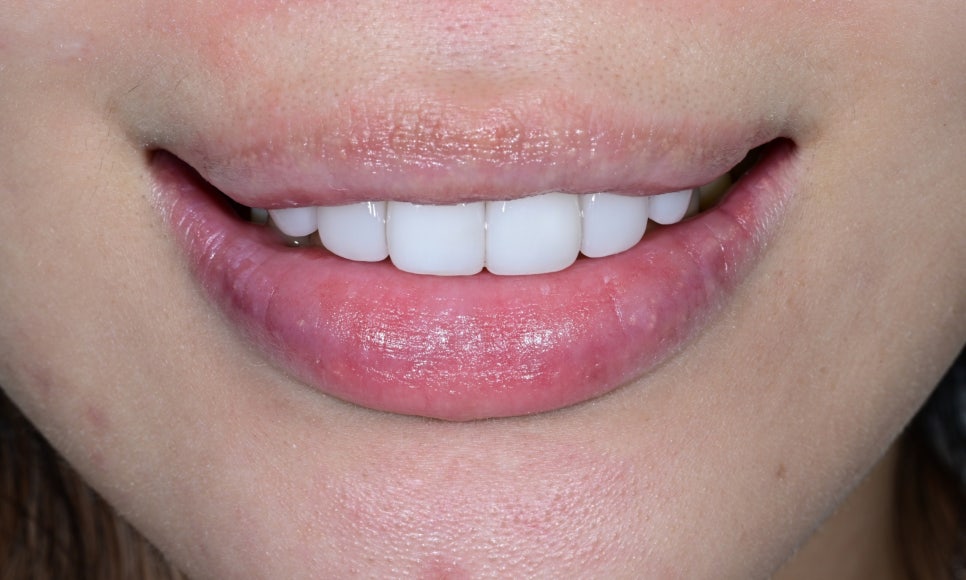
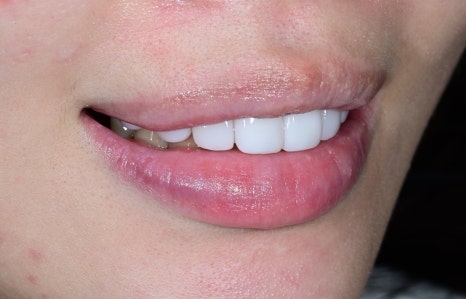
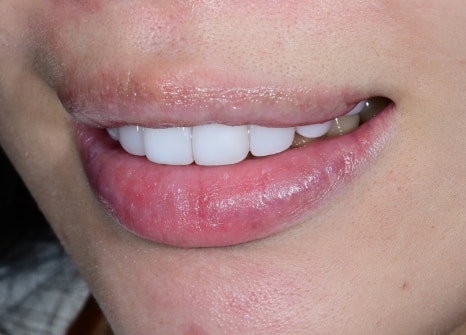
A slight impression of protrusion remains.
Instead, we made the boundaries between the teeth as straight as possible so that the eye would not remain focused on one area.
Making the teeth look less large
This is the aspect that requires the most attention with rabbit teeth.
Increasing the length can create a more open appearance, but it can also make the teeth look larger.
This can have the opposite effect, especially when the central incisors are already prominent.
So we increased the length only minimally and adjusted the impression of size through the ratio of width to length and the shape of the corners.
The canines were rounded so that everything would flow together smoothly.
The color was set to a bright tone while maintaining a natural appearance, and we left some space rather than completely filling the gaps between the teeth.
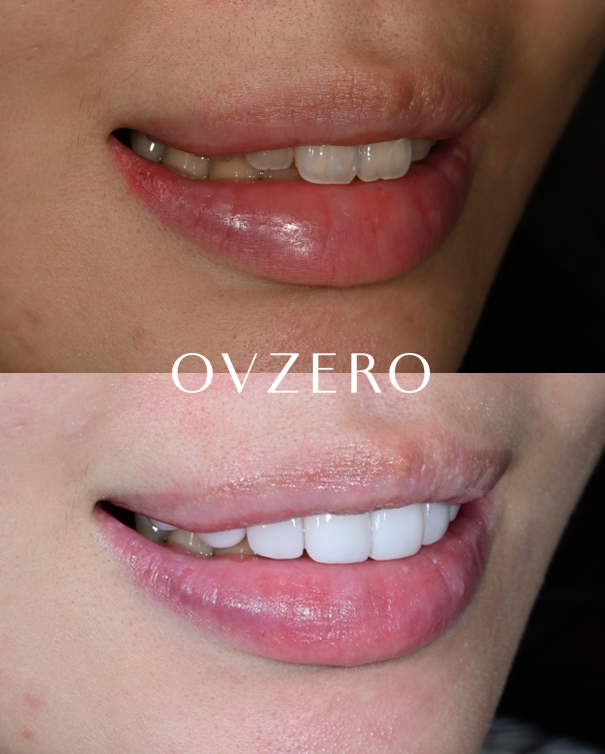
Before treatment / After treatment
[before vs after]
Veneers by Ove Zero
The impression that only the central incisors stood out was reduced.
As the difference in length between them and the adjacent teeth narrowed, the front teeth came together as one continuous flow.
They were not moved completely inward.
That was not the goal from the beginning, and achieving it would have required removing much more tooth structure.
The longevity of Jamsil veneers can vary depending on usage habits and maintenance, so regular checkups are necessary.
We are often asked the following questions.
FAQ
Q. Do rabbit teeth require orthodontic treatment?
If the incisors protrude significantly, orthodontic treatment should come first.
However, if the main cause is a difference in size and length, veneers can often be used to create a more balanced appearance.
This assessment is made first, and then the treatment method is determined.
Q. Is it not possible to reduce the central incisors?
They can be reduced.
However, reducing teeth that are positioned forward requires removing considerably more tooth structure. Therefore, we first consider lengthening the adjacent teeth to narrow the difference.
Rabbit teeth are not simply an issue involving the two front teeth.
They appear that way because of their relationship with the adjacent teeth, so deciding which teeth to adjust determines both the result and the amount of tooth reduction.
At Seoul Ove Dental Hospital, a prosthodontist specialist oversees this assessment and design.
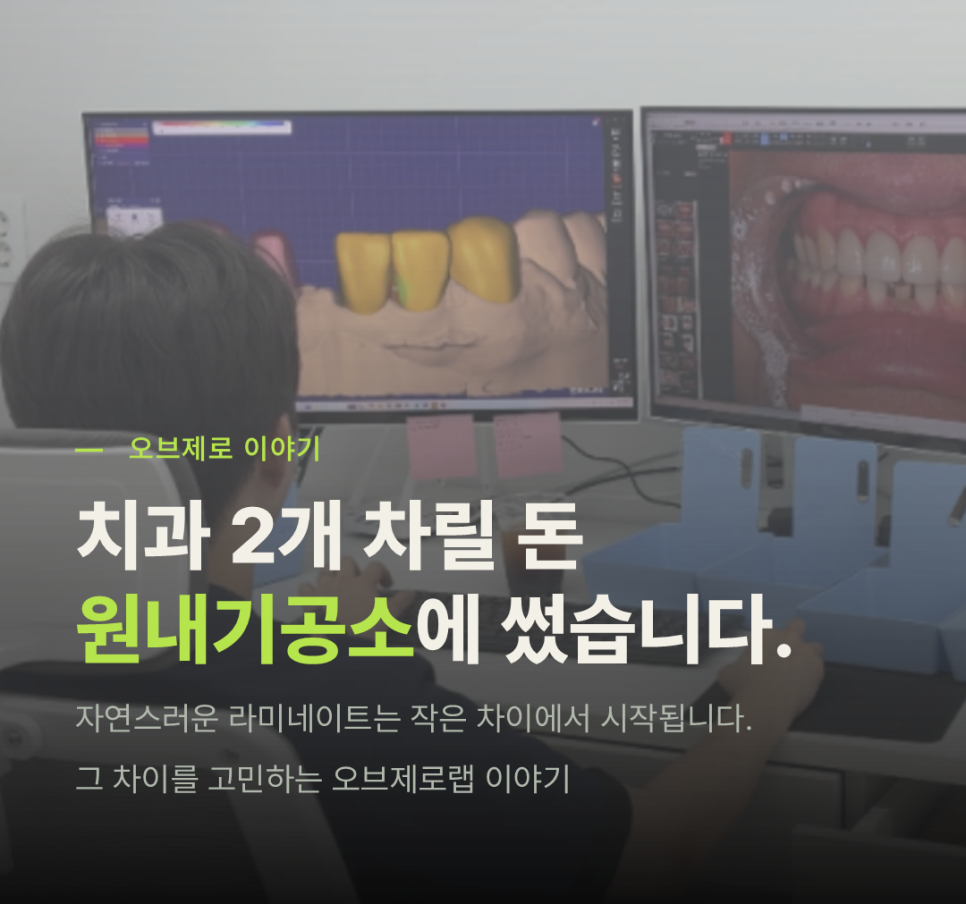
In-house laboratory for Jamsil veneers
The hospital also has an in-house laboratory, allowing the dental technician responsible for fabrication to review the diagnostic materials together with the dental team and coordinate the shape and color.
The hospital is a one-minute walk from Exit 3 of Samjeon Station, making it convenient to visit from the Jamsil and Songpa areas.
If you have been concerned that only your two front teeth show when you smile, feel free to visit a Jamsil veneer clinic for a consultation.
[Directions]
📍 Seoul Ove Dental Hospital
196 Baekjegobun-ro, Songpa-gu, Seoul, B1, 4th, and 5th floors
🚇 One-minute walk from Exit 3 of Samjeon Station
[Inquiries]
📞 02-418-2275
💬 Kakao Channel inquiry
[Parking information]
✅ Parking Lot 1: 196 Baekjegobun-ro, Songpa-gu, Seoul
✅ Parking Lot 2: 28-23 Samjeon-dong, Songpa-gu, Seoul
*If Parking Lot 1 is full, please use Parking Lot 2.
#RabbitTeeth #RabbitTeethVeneers #ProtrudingIncisors #FrontToothVeneers #NoPrepVeneers #OveZeroVeneers #SamjeonStationVeneers #SongpaDentist #JamsilVeneers #SamjeonStationDentist #SeoulOveDentalHospital