Hair loss, if left untreated, may
be irreversible
Have you been feeling like your hair
is falling out more than before
lately?
Especially when you wash your hair and
see a large amount of hair piling up in the bathtub,
it's only natural to feel worried.
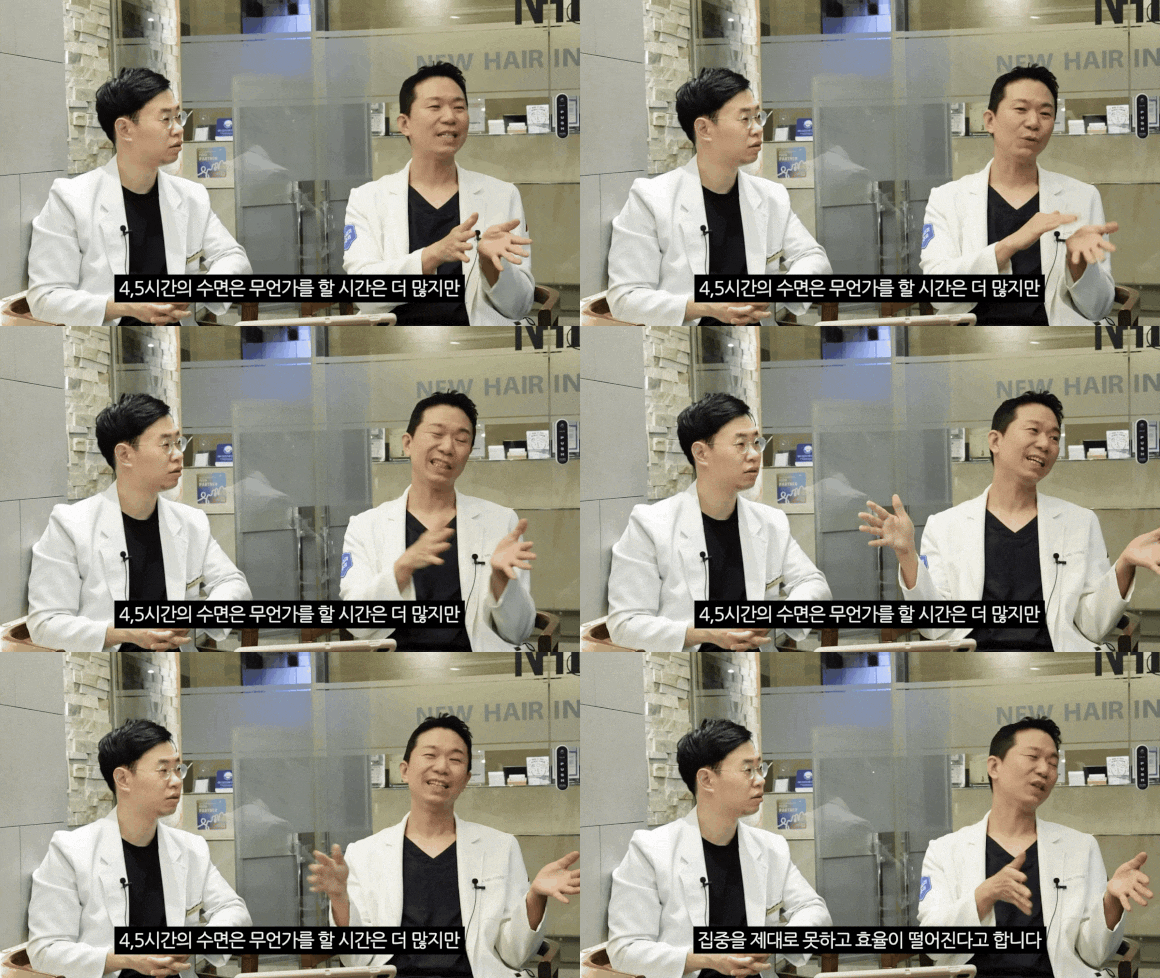
In this post, we'll look at how to
detect problems early and manage them
through a hair loss test.
Early response is important for hair loss.
If you identify the cause properly,
you can protect your hair health
through appropriate measures.
If you read this post to the end,
you'll learn about the types of hair loss,
why hair loss testing is important,
and even how to manage it in daily life.
- Why a hair loss test is needed
When hair loss is suspected,
the first thing to do is
a precise hair loss test.
Because the causes vary,
rather than starting treatment blindly,
a correct diagnosis comes first.
Stress, hormonal changes,
nutritional deficiencies, and other factors
can all be the cause.

If the cause is found through testing,
you can choose the appropriate
treatment method accordingly.
In particular, for women in their 20s and 30s,
if the hair on the crown or part line
starts to thin, the possibility of
female-pattern hair loss is high.
At that point, getting tested in time
can slow or stop the progression.
Not postponing the test and getting it on time
is the first step toward maintaining
hair health.
- What can be confirmed through a hair loss test
Through a hair loss test,
we can take a closer look at the
condition of the hair and the health of the scalp.
The test checks
the condition of the hair roots, the degree of progression,
and hair density.
You can determine in detail whether it is
stress-related hair loss or due to genetic factors.
A hair loss test is simple
and quick.
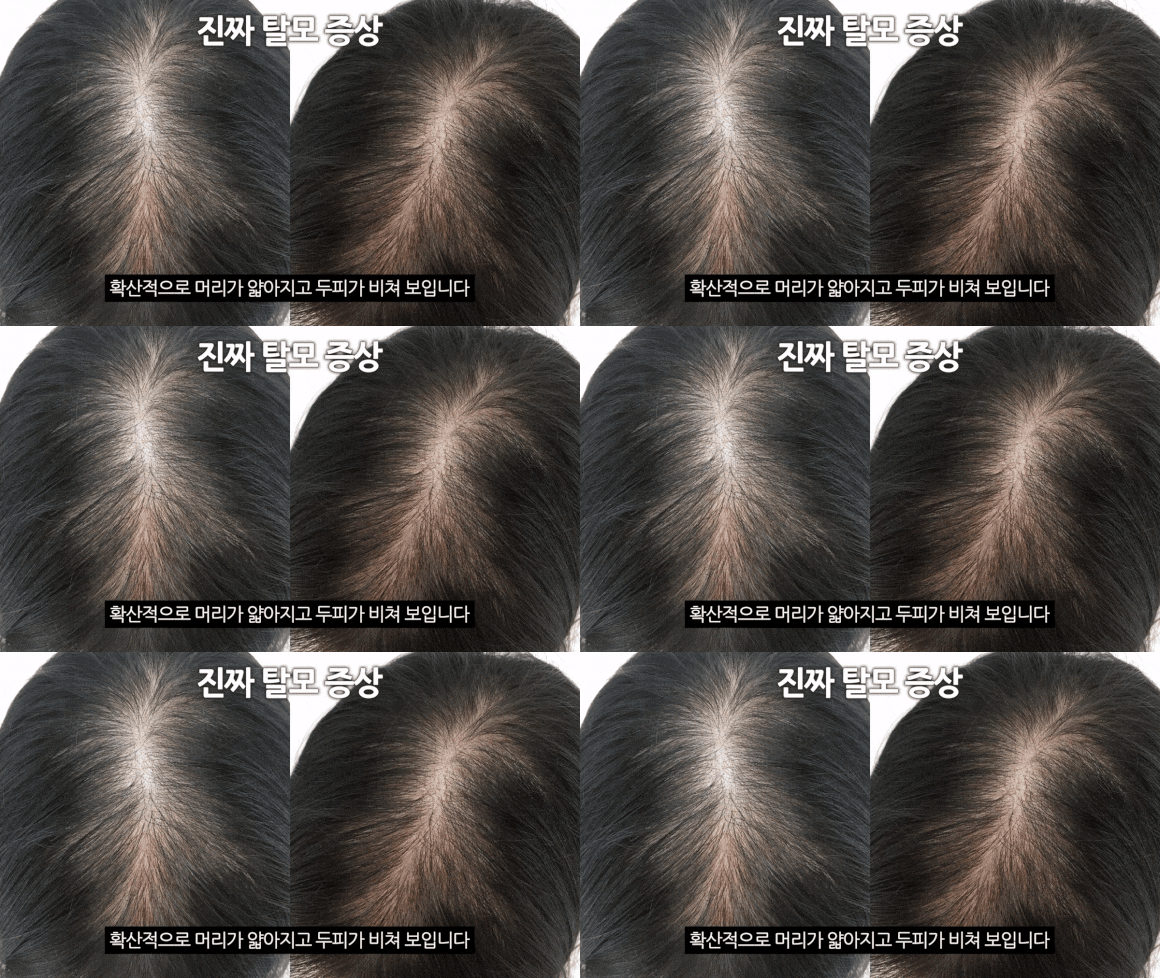
In most clinics,
a device that enlarges the hair and scalp
is used, and if necessary,
blood tests or hormone tests may also be performed.
Through this, the cause of hair loss
and the current condition are diagnosed
comprehensively.
- Problems that arise when hair loss testing is delayed
What happens if you delay a hair loss test?
The major problem is that you may miss
the early treatment window.
If hair loss is not addressed properly
at an early stage, the progression may
speed up.
Especially for women,
if hair loss gradually worsens,
the crown may look sparse,
like a Christmas tree shape.
Delaying the test can waste time
on unnecessary self-diagnosis.
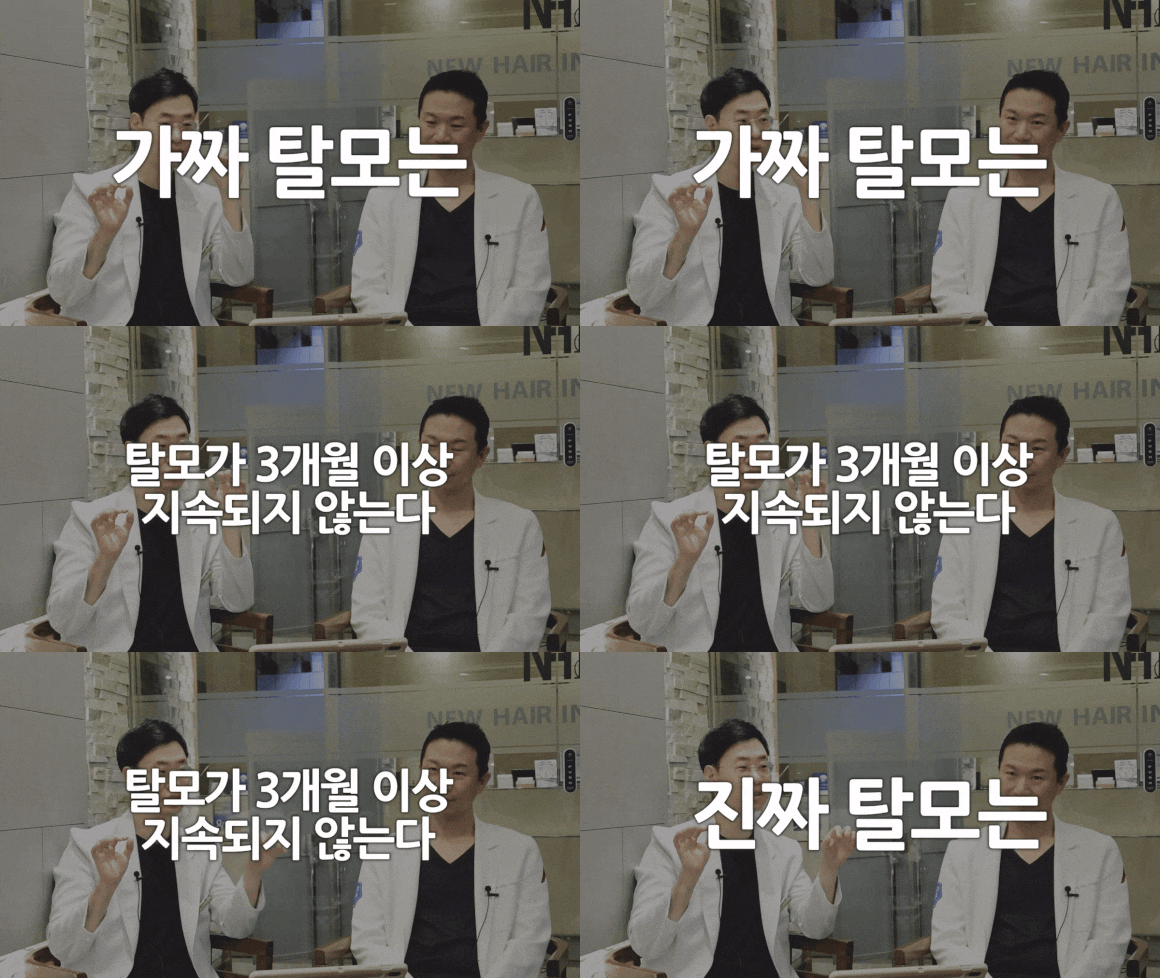
It is easy to confuse
false hair loss with real hair loss,
but without a diagnosis, you can't know for sure.
As time passes,
treatment becomes more difficult,
so prompt testing is necessary.
- Lifestyle habits for prevention and management
The key to prevention is
healthy lifestyle habits.
Getting enough sleep and eating a balanced diet
are important for scalp and hair health.
In particular, eating foods rich in protein,
iron, and vitamins helps strengthen hair.
Stress management is also important.
When you're stressed,
blood circulation in the scalp worsens,
which can lead to aggravation.

Try stress-relief methods such as
regular exercise and meditation.
These small efforts add up
and create a healthy scalp environment.
If you suspect hair loss, the first thing
you should do is get an accurate hair loss test.
Through an early diagnosis, you should identify the cause
and choose the appropriate treatment
and management methods.

As it progresses, treatment becomes more difficult
and costs also increase, so even if the symptoms are minor,
do not overlook them and respond actively.
Reducing stress and maintaining healthy
lifestyle habits alone can also help prevent hair loss.
If you have read this post,
I hope you will no longer worry about hair loss
and will maintain a healthy scalp and hair.
Visit a nearby clinic now
and get a hair loss test!
[In accordance with Article 56, Paragraph 1 of the Medical Service Act, this post is written directly by the clinic director for informational purposes. Hair transplantation and treatment may have side effects, so please make a careful decision after consulting with a specialist.]