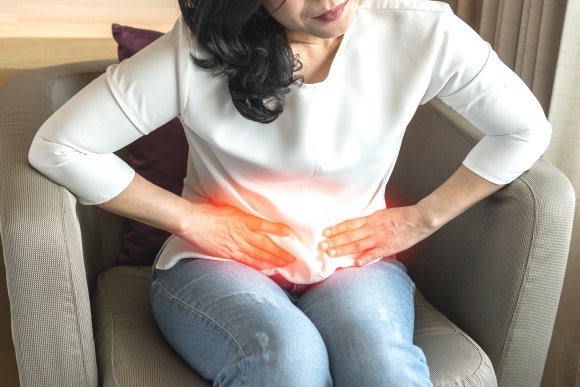
Gut health plays an important role in hair growth and maintenance.
Among the female hair loss patients I see in the clinic, quite a few of them say they have symptoms of digestive problems.
These cases show a close connection between intestinal motility and hair health.
They also suggest that hair health is not limited to scalp care alone, but is deeply connected to overall health.
"Beauty begins beneath the skin." - Hippocrates
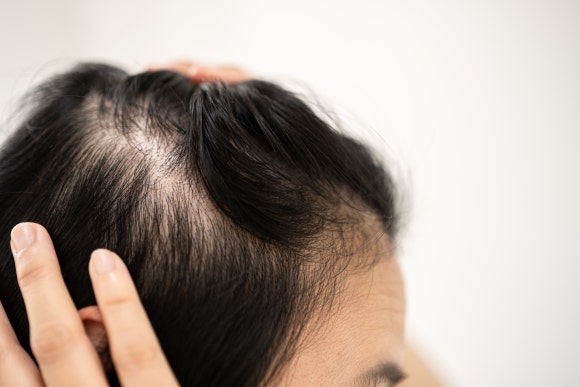
To understand and treat hair loss holistically, we need to consider overall health beyond the scalp.
Among these factors, gut health plays an important role in hair growth and maintenance.
In this post, I will look at the connection between hair loss and gut health from a scientific perspective and explain management methods that make use of it.
Revealing the link between gut health and hair
Our bodies are complex systems that are interconnected.
The gut absorbs essential nutrients through digestion and plays a key role in immune regulation and managing inflammatory responses.
The specific mechanisms by which gut health affects hair are as follows.
- Nutrient absorption and hair growth
The gut is involved in the absorption of iron, zinc, B vitamins, and protein.
These nutrients are essential for maintaining hair growth and scalp health.
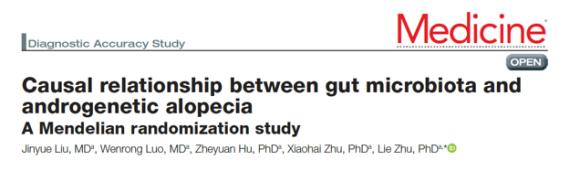
According to research, when dysbiosis of the gut microbiota occurs, nutrient absorption decreases, weakening hair follicles and potentially leading to hair loss.
- Inflammation and the hair growth cycle
When gut health deteriorates, inflammatory responses can spread throughout the body.
As a result, the activity of inflammation-related genes associated with hair loss (TNF-α, IL-1β) increases, shortening the hair growth cycle and making it more likely to shift into the resting phase.
This is especially important in hair loss related to chronic inflammation.
- Hormone regulation and gut microbiota
Hormonal imbalance, one of the main causes of female hair loss, is deeply connected to changes in the gut microbial community.
The concept of the “gut-skin axis” is gaining attention, suggesting that gut microbiota play an important role in reducing inflammation in the body and maintaining hormonal balance.
If the gut environment is unhealthy, hormonal imbalance can worsen and hair loss may become more severe.
- Microbes that increase hair loss risk
- Microbes that reduce hair loss risk
The activity of microbes varies depending on the gut environment and can ultimately have a direct effect on hair health.
Analyzing the causes of female hair loss through gut health
• Nutrient deficiency issues
When gut health worsens, the absorption of essential nutrients for hair growth, such as iron, zinc, and B vitamins, is restricted.
In particular, iron deficiency is closely related to female pattern hair loss.
• The gut-brain axis and stress
Stress negatively affects both gut health and hair loss.
If stress disrupts the balance of intestinal bacteria and weakens the gut barrier,
systemic inflammation is triggered, which promotes hair loss.
• Gut microbiota diversity and hair health
People with greater diversity in their gut microbiota tend to have better overall
health, and this also has a positive effect on a healthy scalp and hair.
How to manage hair loss by improving gut health

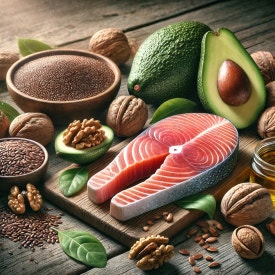
- Build a gut-friendly diet
• Increase beneficial gut bacteria by eating fermented foods (kimchi, yogurt) and foods rich in fiber (vegetables, whole grains).
• Adequate hydration helps the gut function smoothly.
- Practice inflammation-reducing habits
• Probiotic and prebiotic intake: helps beneficial bacteria multiply and improves gut health.
• Maintain a fiber-rich diet: creates a balanced gut environment.
• Eat foods rich in omega-3 fatty acids to reduce inflammatory responses.
• Regular exercise and meditation reduce stress and inflammation at the same time.
- Get treatment support
• If needed, get tested to check your gut microbiota status.
Advanced treatments such as fecal microbiota transplantation (FMT) can also be considered.
• Personalized gut microbiota analysis: establishes an optimal treatment plan based on each individual’s gut health status.
• If hair loss is severe, visit a specialist and receive comprehensive treatment.
Gut health and hair loss should be managed together
The key to managing hair loss is balance.
Gut health acts as a supportive factor in hair loss treatment, and at the same time, nutrient intake, stress management, and personalized treatment must work in harmony.
I would like to recommend paying attention not only to scalp and hair care, but also to overall health.
After seeing these research results, I thought of my father.
My father had poor gut health and suffered from severe hair loss.
In contrast, my gut health was good, so my hair loss was relatively mild.
It makes me think that gut microbiota may really play an important role in hair loss.
To manage hair loss effectively, an integrated approach is needed that cares for the whole body, not just the hair.
Balancing the gut microbiota may also change depending on future research findings, but it could become an important factor in preventing and managing hair loss.
I look forward to follow-up research.
It is time to do hairhair, this was Kim Jin-oh.
Pilsaengsinmo (必生新毛).
Related paper
Liu J, Luo W, Hu Z, Zhu X, Zhu L. Causal relationship between gut microbiota and androgenetic alopecia: A Mendelian randomization study. Medicine (Baltimore). 2024 Dec 27;103(52):e41106. doi: 10.1097/MD.0000000000041106. PMCID: PMC11688025.
[In accordance with Article 56, Paragraph 1 of the Medical Service Act, this post is written directly by the clinic director for informational purposes. Hair loss surgery and treatment may have side effects, and you should make a careful decision after consulting with a specialist.]
▼Other posts that may help with hair loss treatment▼