Non-shaven hair transplantation — which method
is right for me?
Hair transplantation is an important procedure
that helps many people
regain their confidence.
In particular, non-shaven hair transplantation is
well liked because there is less concern
about scars and natural-looking results
can be expected.
Today, we will look at the
various methods of non-shaven hair transplantation,
their differences,
and their pros and cons.
Because the results and recovery process
differ depending on the procedure,
it is important to choose the method
that suits you.
After reading this article, you will clearly
understand the pros and cons of non-shaven hair
transplantation based on whether the hair is shaved
and on the method used, and it will be of
great help in deciding which method
is right for you.
- Basic methods of non-shaven hair transplantation
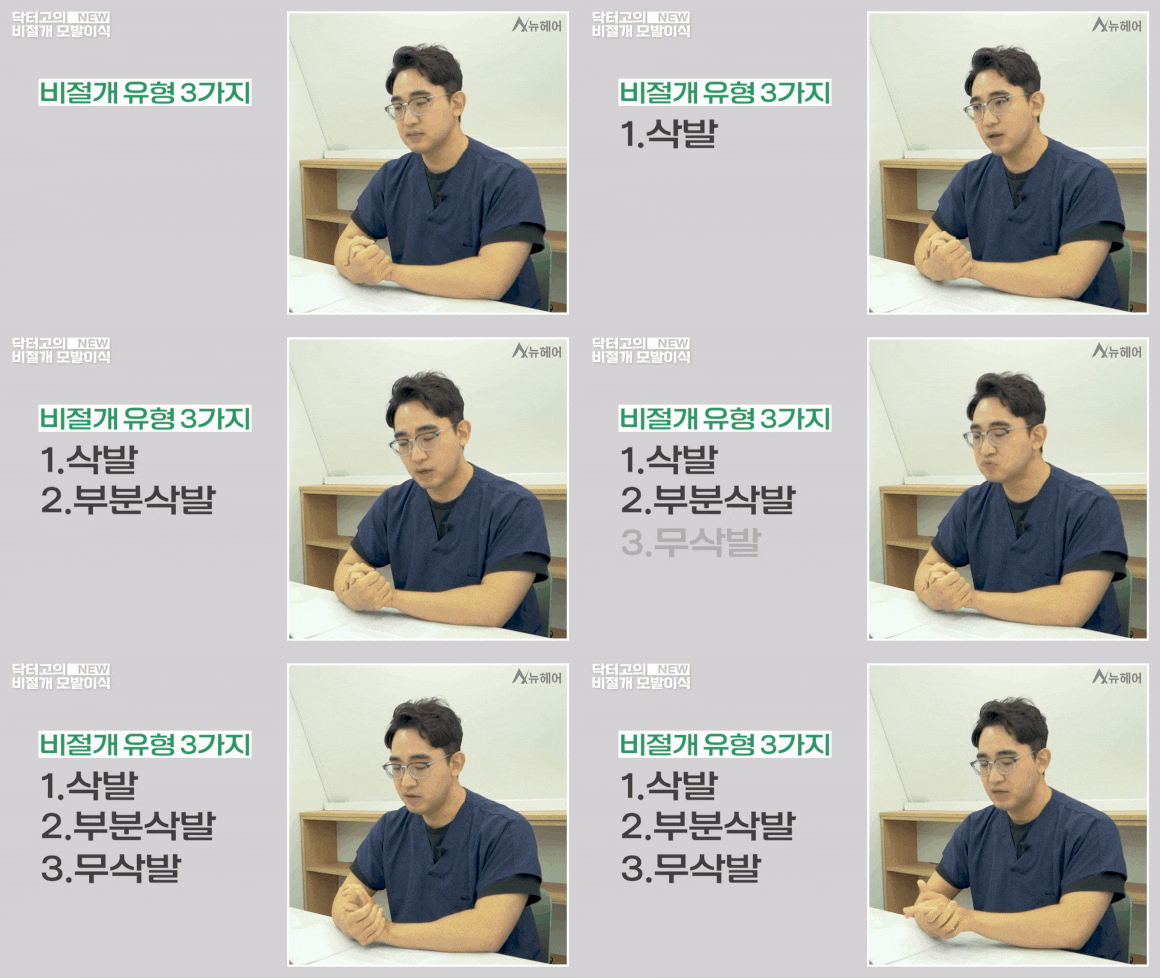
Non-shaven hair transplantation
can be broadly divided into shaved,
partially shaved,
and unshaven methods.
The shaved method
cuts the hair short overall
during the surgery.
This allows the medical staff to
clearly identify the treatment area,
so follicle extraction and transplantation
can be performed efficiently.
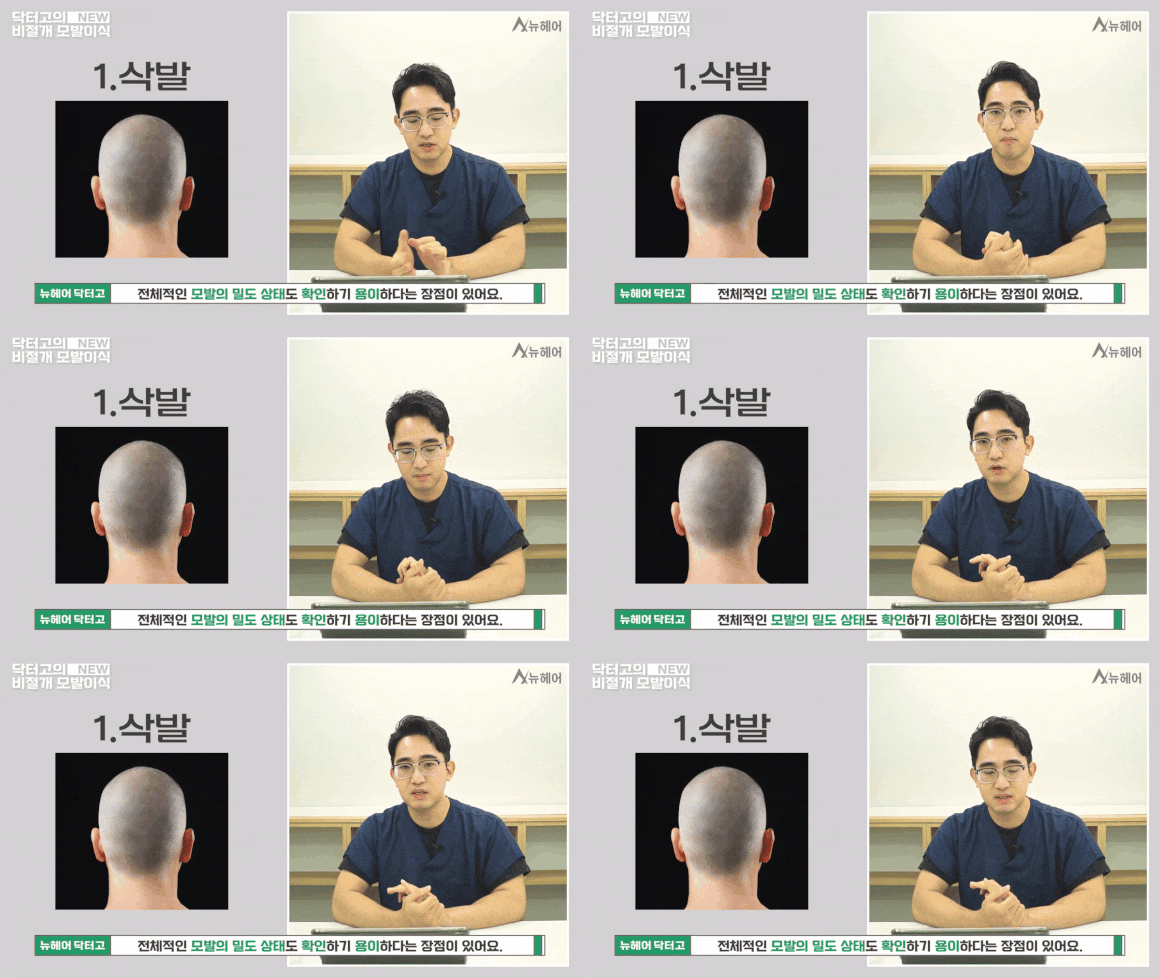
This method is convenient during recovery,
but it may come with the burden
of having to cut the hair short.
If you are working or active in society,
you may feel some inconvenience
until the hair length recovers.
On the other hand, the partially shaved method
cuts only the donor area short
and covers it afterward.
Because the shaved area can be hidden
with the remaining hair, there is little
disruption to daily life.
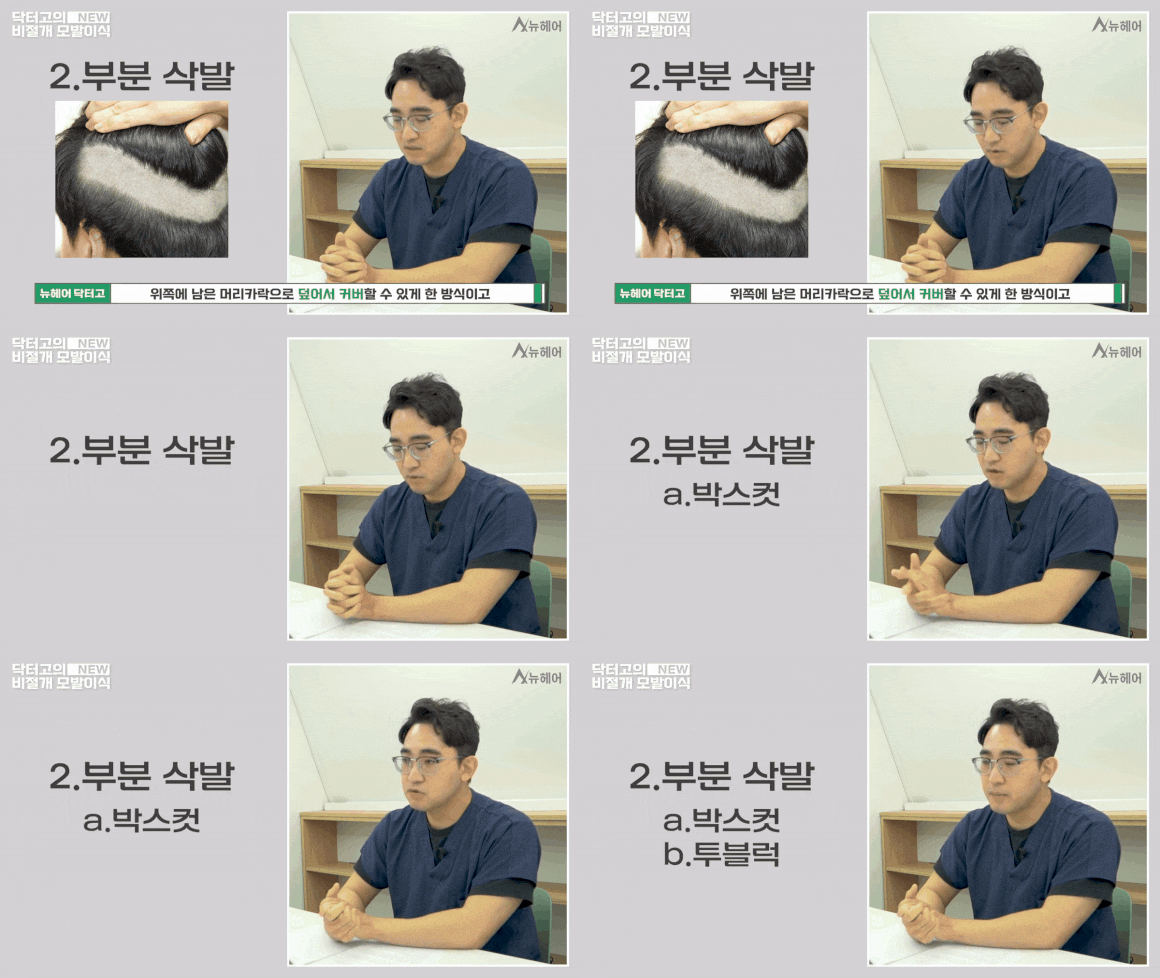
Since it can be covered with a box cut
or a two-block style, it is suitable for
both women and men.
However, if the extraction amount is large,
additional shaving may be necessary.
- The unshaven method of non-shaven hair transplantation
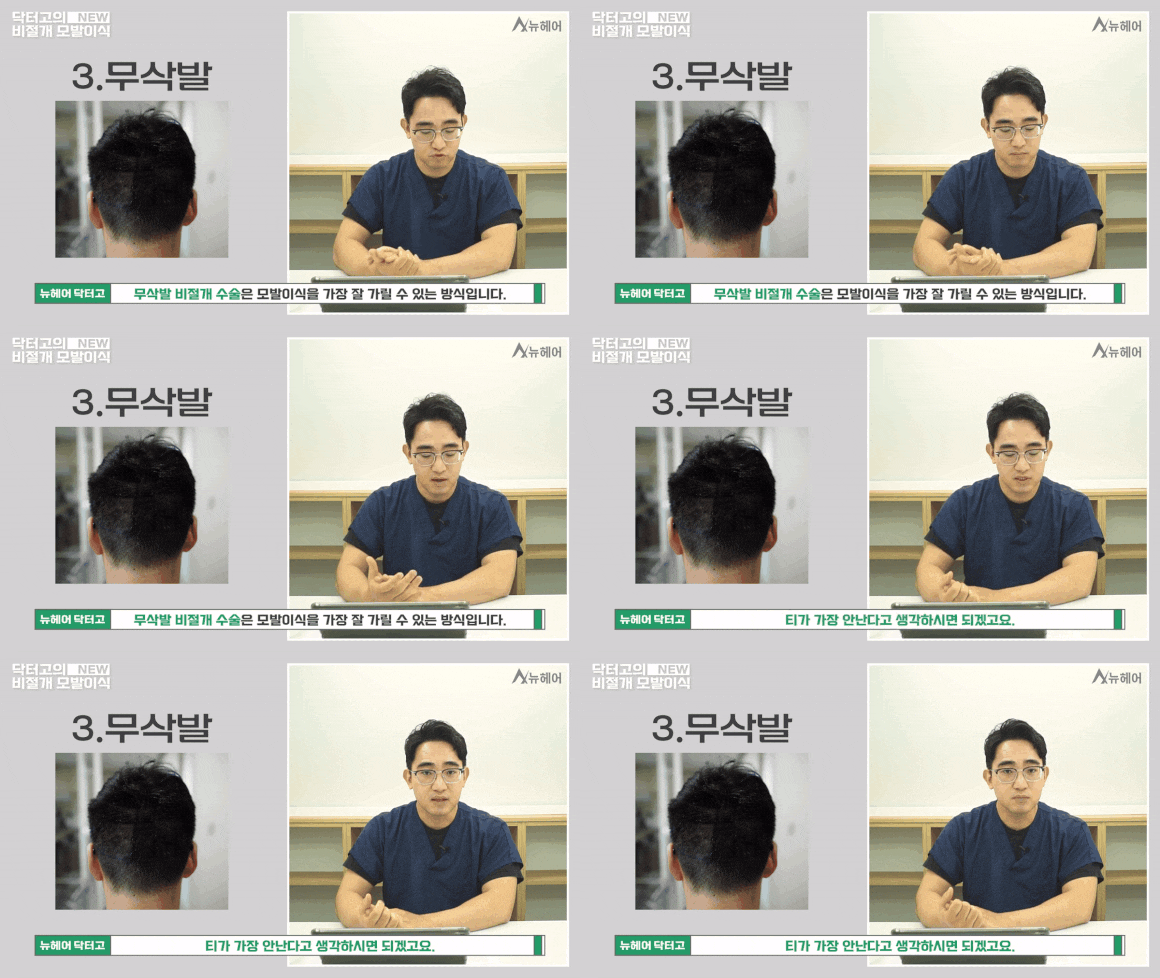
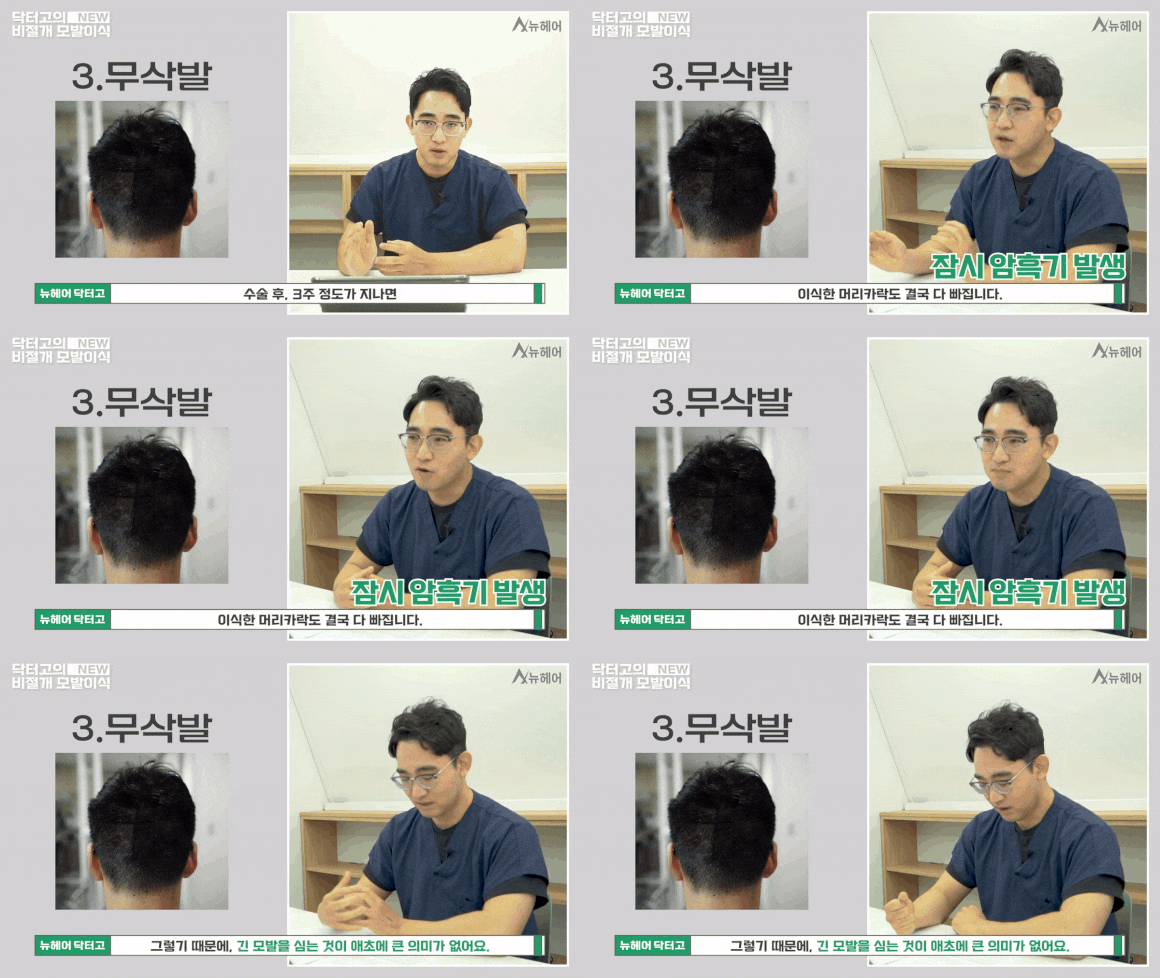
The unshaven method is, as the name suggests,
a non-shaven hair transplantation procedure
performed without cutting the hair at all.
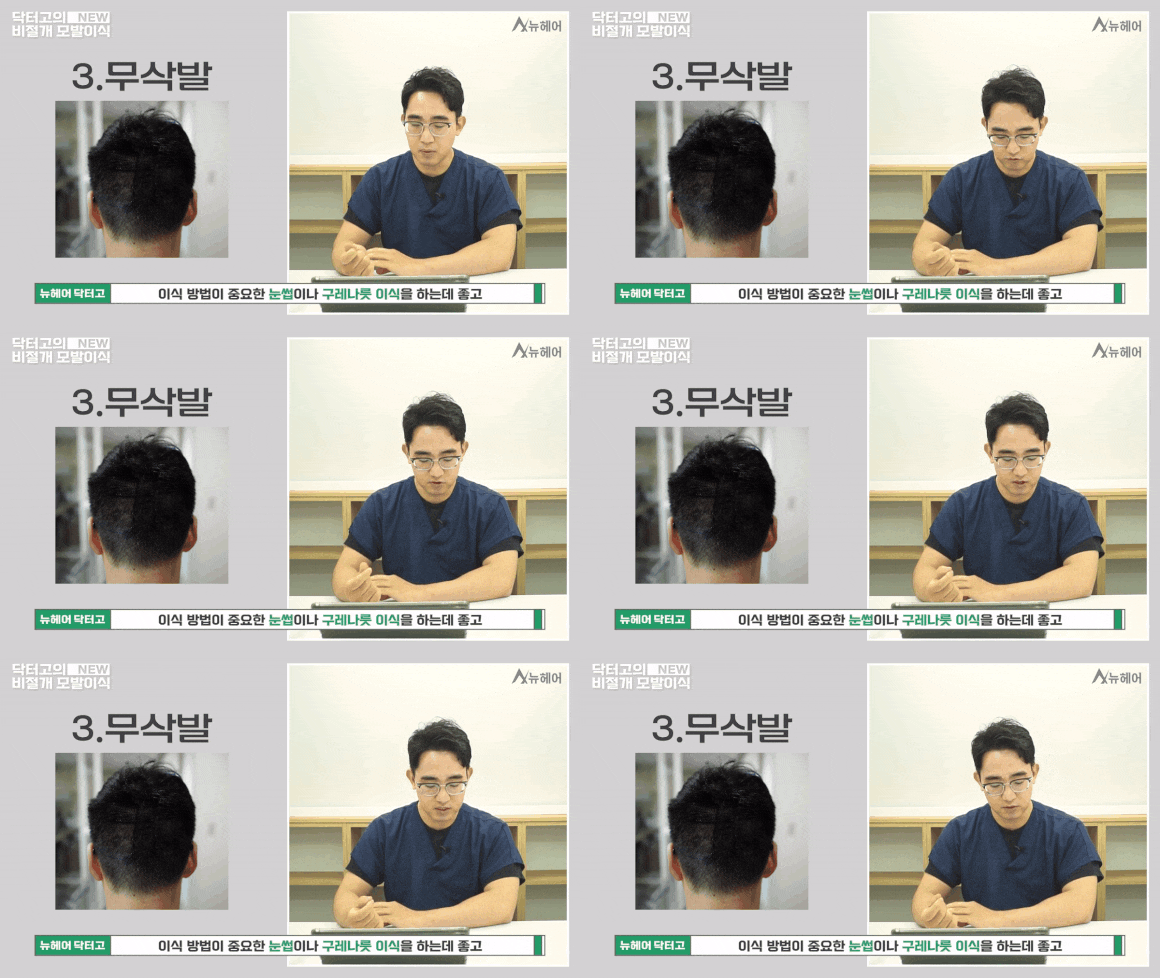
In this method, when extracting follicles,
a punch blade is used while keeping the hair
length intact.
Because the extraction area is not very noticeable,
a natural appearance can be maintained
even right after surgery.
However, because the extraction is done while
keeping long hair, the procedure time may be
longer, and there is a higher possibility of
stress being placed on the follicles.
In particular, if the hair is thick or coarse,
the blade may become dull during the extraction
process, so the skill of the medical staff
is important.
- Pros and cons by method in non-shaven hair transplantation
The shaved method allows clean extraction,
and a major advantage is that there is less
damage to the follicles.
Post-surgery care is relatively easy,
and because the overall hair condition can
be checked, it is efficient.
However, the burden of having to cut the hair
short can be a drawback.
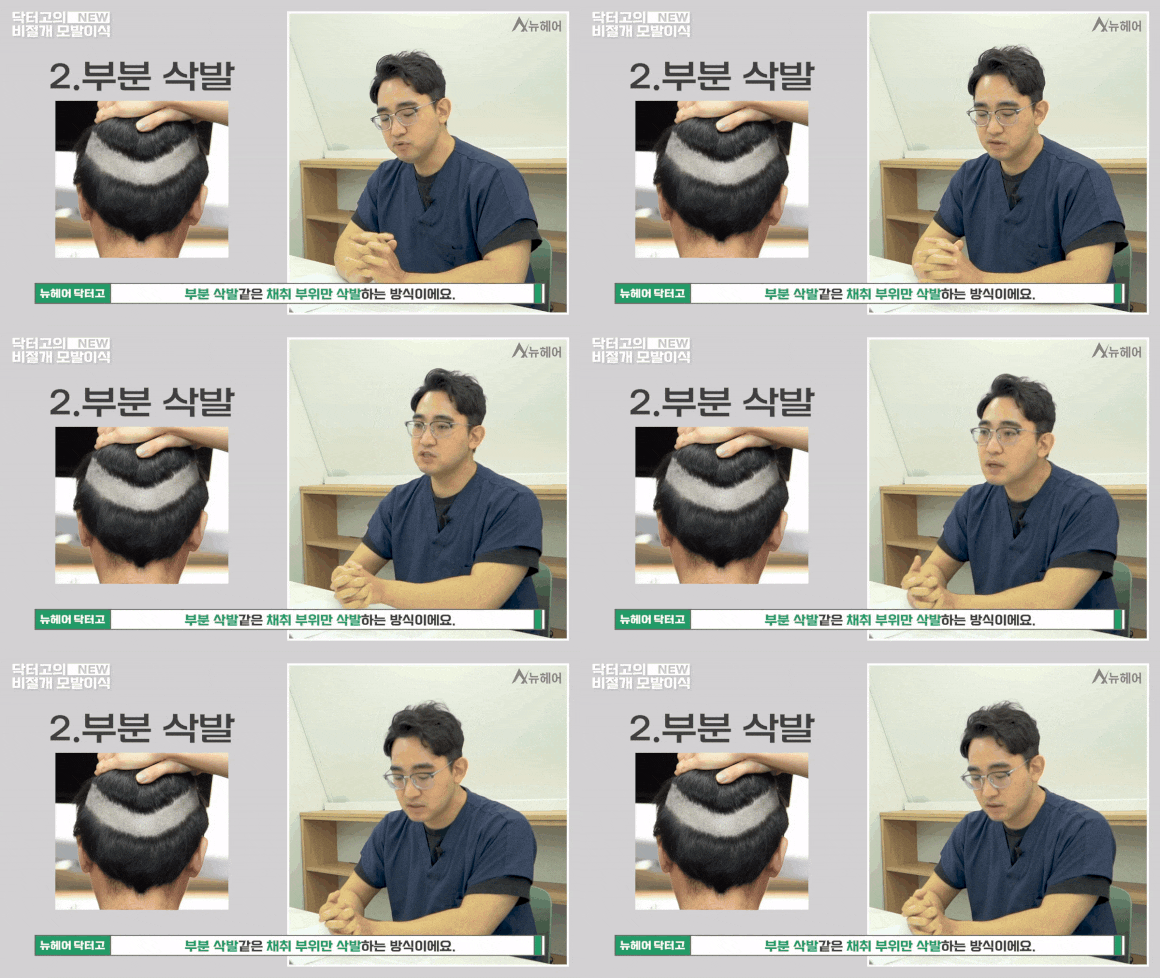
The partially shaved method allows the
donor area to be covered, so it causes
less inconvenience in daily life.
It is mainly preferred by women with long hair,
and when applied as a two-block style,
it can also look natural on men.
However, if the extraction amount is large,
additional shaving may be required,
so careful consultation before the procedure
is essential.
The unshaven method is appealing because
it allows you to maintain a natural appearance
even right after the procedure.
However, because extraction is performed while
keeping the long hair intact, it takes more time,
and the cost may be higher.
- How to choose the right non-shaven hair transplantation method
When considering non-shaven hair transplantation,
you should take your lifestyle and hair condition
into account together.
If you need to return to daily life immediately
after surgery, the partially shaved or
unshaven method is recommended.
Because there is less burden from shaving,
these methods are suitable for office workers
or people with busy schedules.
On the other hand, if the extraction amount is large
or if you do not mind keeping short hair,
the shaved method may be more efficient.
Because hair transplantation methods vary depending
on each person's hair condition, density,
and desired style, it is a good idea to visit a
medical institution and receive a consultation.
Non-shaven hair transplantation can be performed
in various ways, and each method has clear
pros and cons.
It is important to choose the appropriate method
by comprehensively considering your lifestyle,
hair condition, and desired results.
If you choose the right method through consultation
with the medical staff, you can regain your
confidence through a natural hair transplant.
Non-shaven hair transplantation is an area
that continues to develop steadily, and I believe
that even more precise and convenient methods
will be introduced in the future.
If you have any questions, please visit a
medical institution and receive a consultation.
Thank you :)
[This post was written directly by the director for informational purposes in accordance with Article 56, Paragraph 1 of the Medical Service Act. Hair loss surgery and treatment may have side effects, and you should make a careful decision after consulting with medical professionals.]