Hair loss treatment — what do you really need
to see results?
Many people
are worried about hair loss
But no matter how good a treatment is,
if you do not properly understand your own condition,
the effect may be minimal
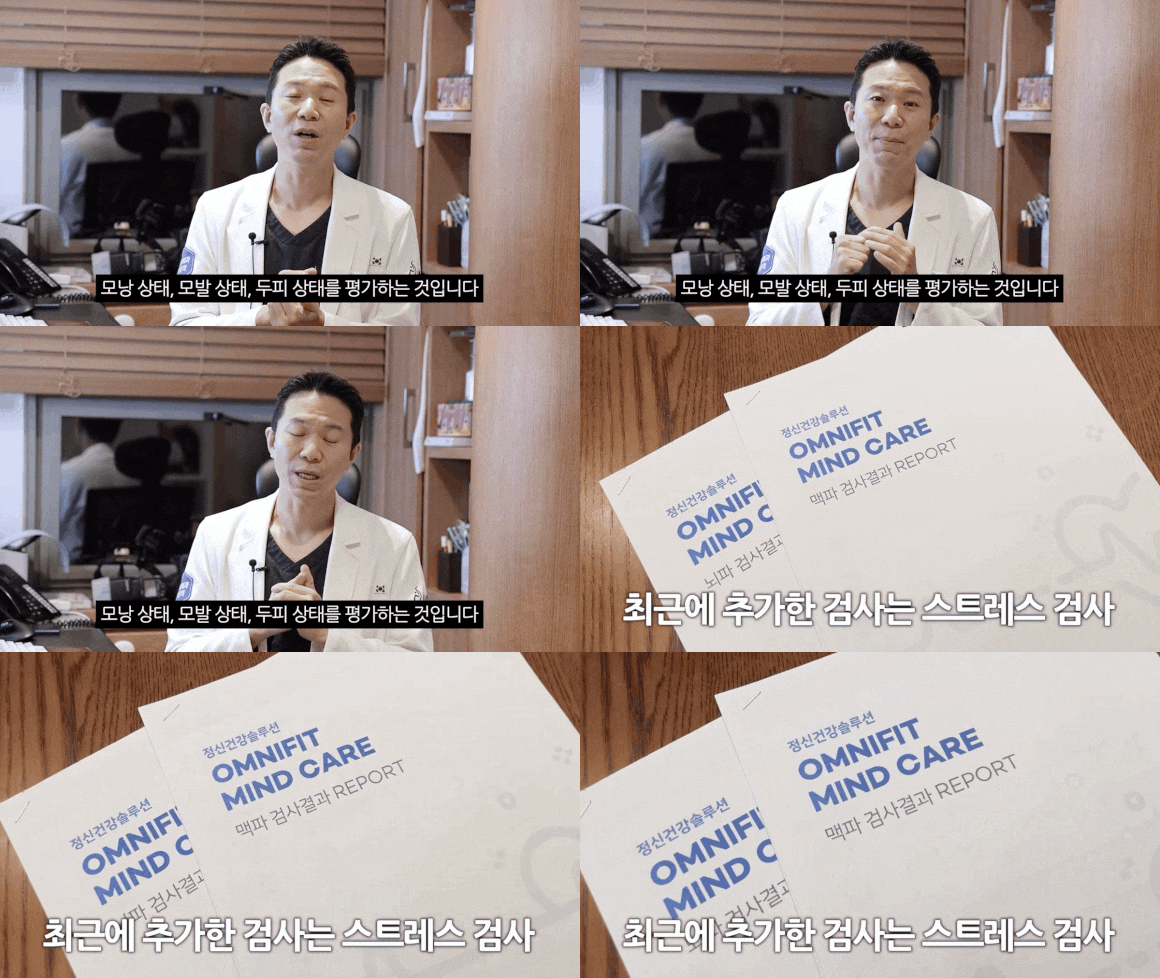
In this post, we will take a closer look at why
hair loss diagnosis is important
and how the process is carried out
Use accurate information to start hair loss treatment
effectively
- Why is hair loss diagnosis important?
The first step in hair loss treatment is
to identify the cause accurately
There are many types of hair loss,
and if you treat them without distinguishing between them,
it is difficult to expect results
For example, hair loss caused by
scalp inflammation and hereditary hair loss have
different causes and different treatment methods
Therefore, a customized approach
suited to each situation is needed
Through hair loss diagnosis, you can accurately
understand an individual's scalp condition,
whether inflammation is present, and
the degree of hair loss progression
Without this information, unnecessary
time and cost may be involved
Therefore, diagnosis before
hair loss treatment is essential
- How have the latest hair loss diagnosis methods changed?
Recently, hair loss diagnosis technology has
advanced significantly
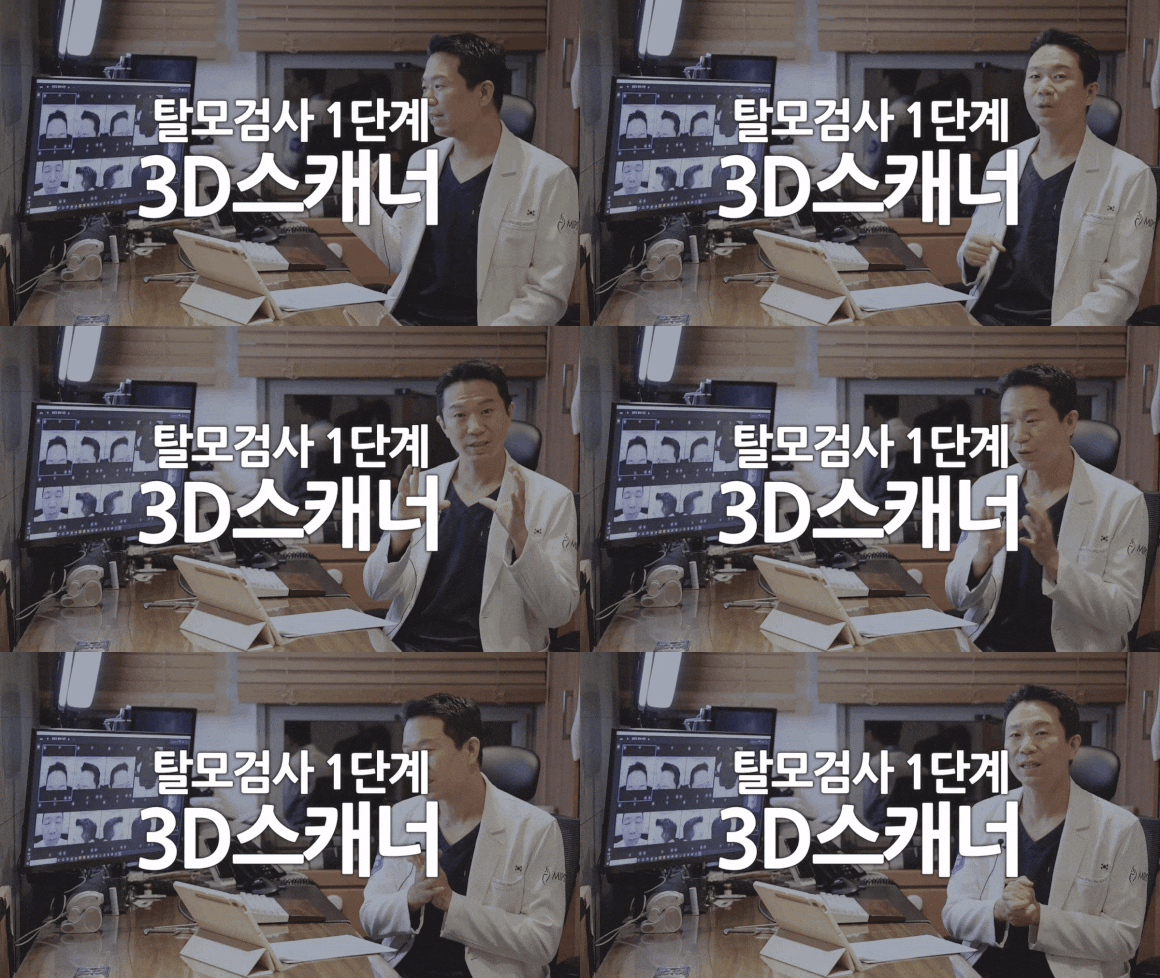
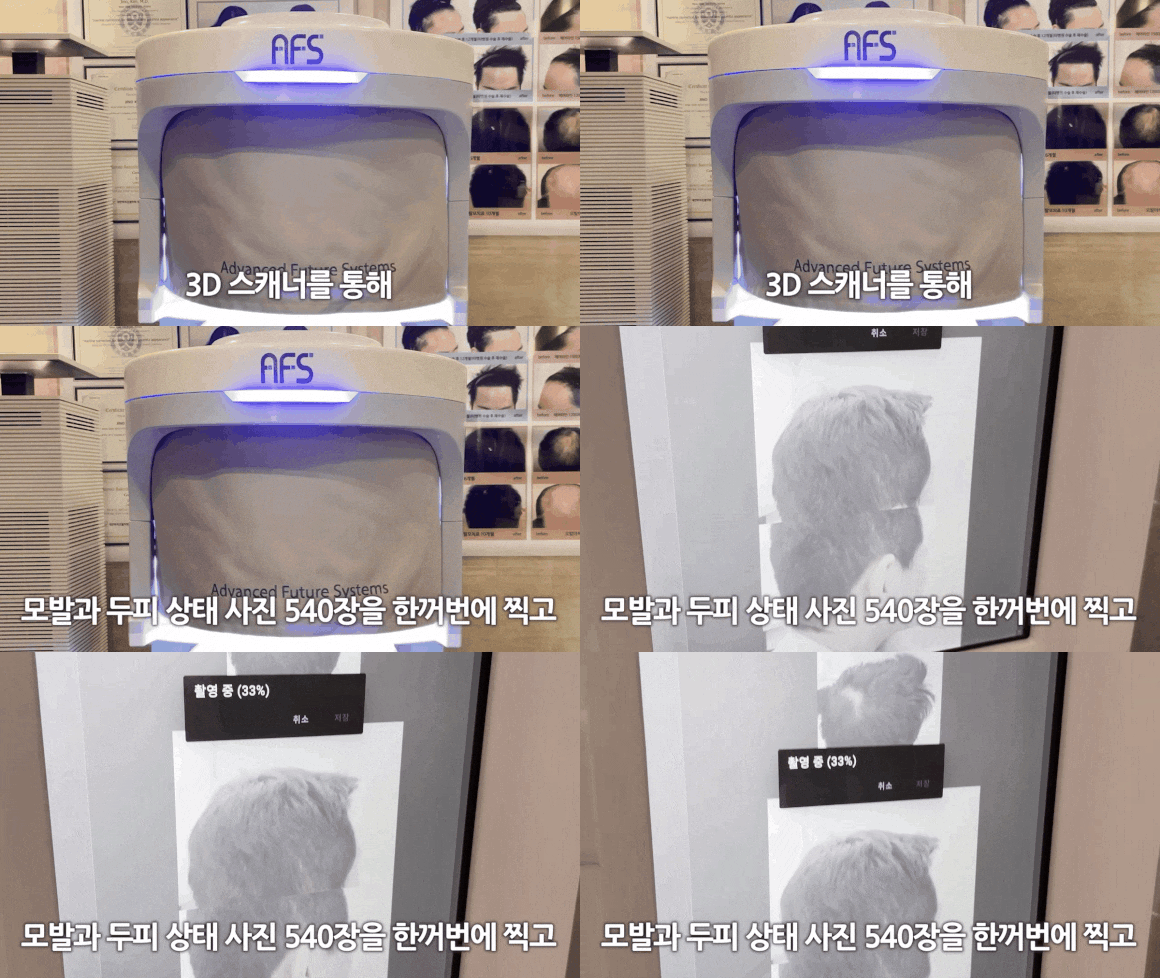
In the past, scalp photos were taken with a DSLR camera
and the condition was checked visually, but now
precise analysis is possible with 3D scanners and microscopes
A 3D scanner takes hundreds of scalp photos
from the same angle, which is useful for
comparative analysis
In addition, micro examination using a microscope
makes it possible to observe the hair and scalp
in fine detail
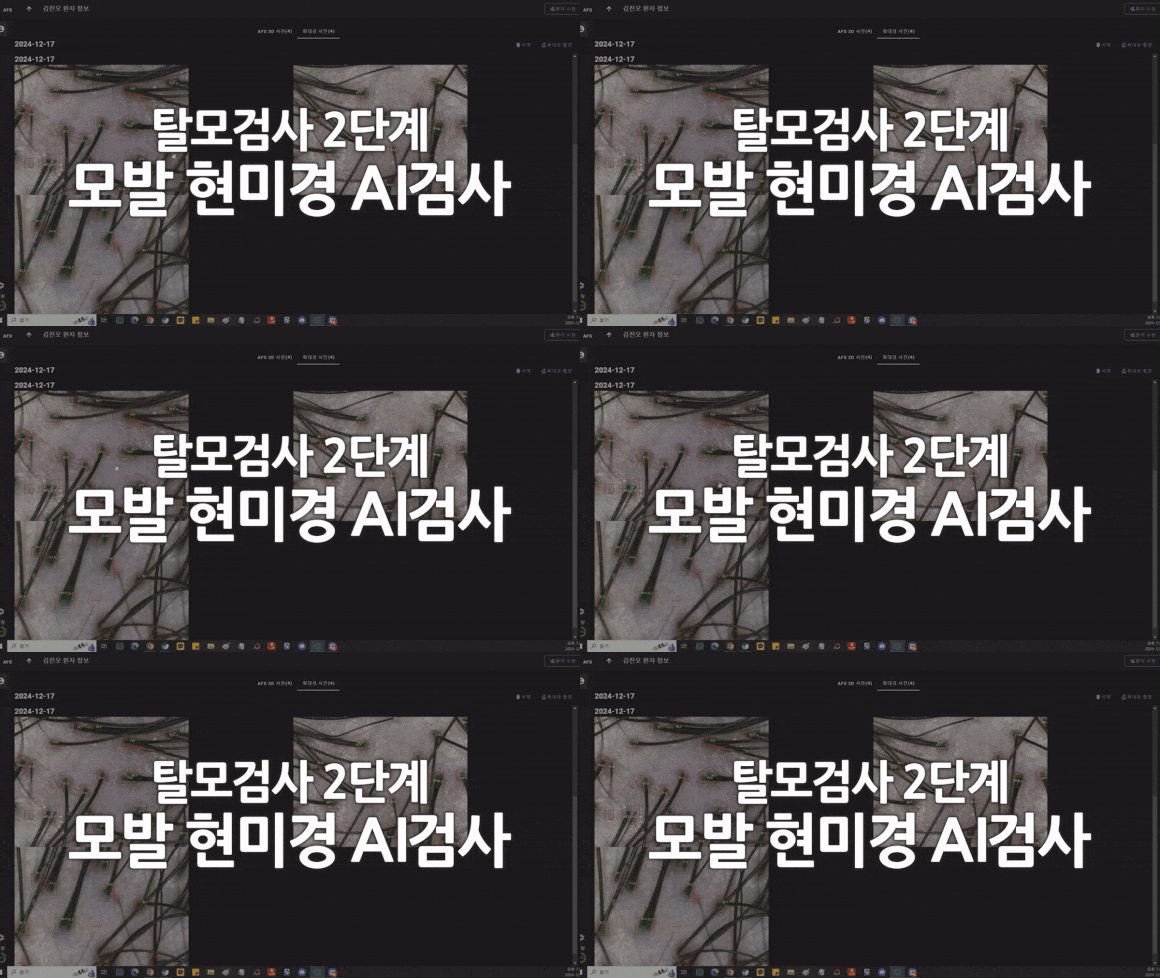
By checking hair thickness, density, and so on,
it also analyzes whether inflammation is present
In this way, upgraded hair loss diagnosis
makes it possible to understand the condition accurately
- The key stress test in hair loss diagnosis
Stress is well known to be one of the
main causes of hair loss
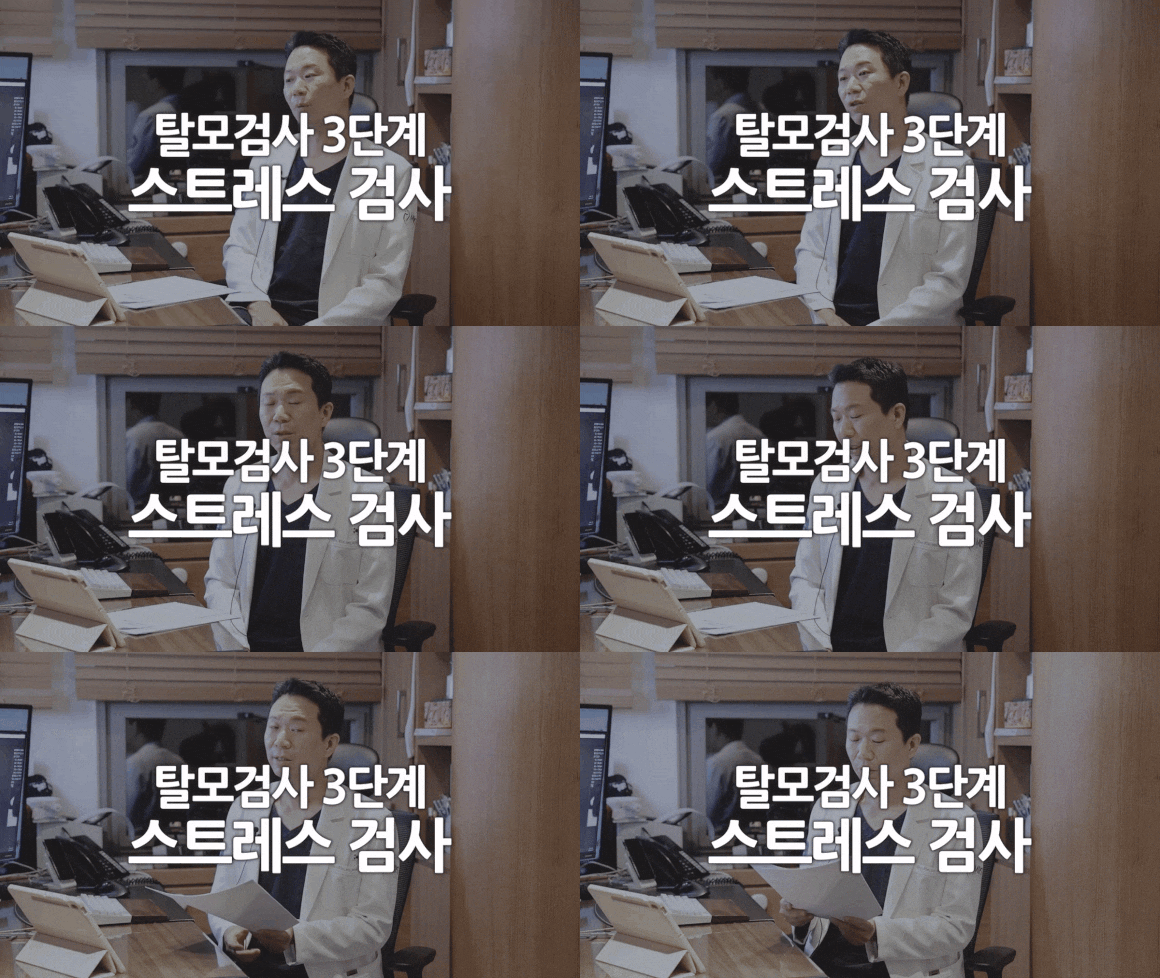
Upgraded hair loss diagnosis also includes
a stress test
It evaluates the patient's stress level
through brain waves and pulse waves,
and measures physical age
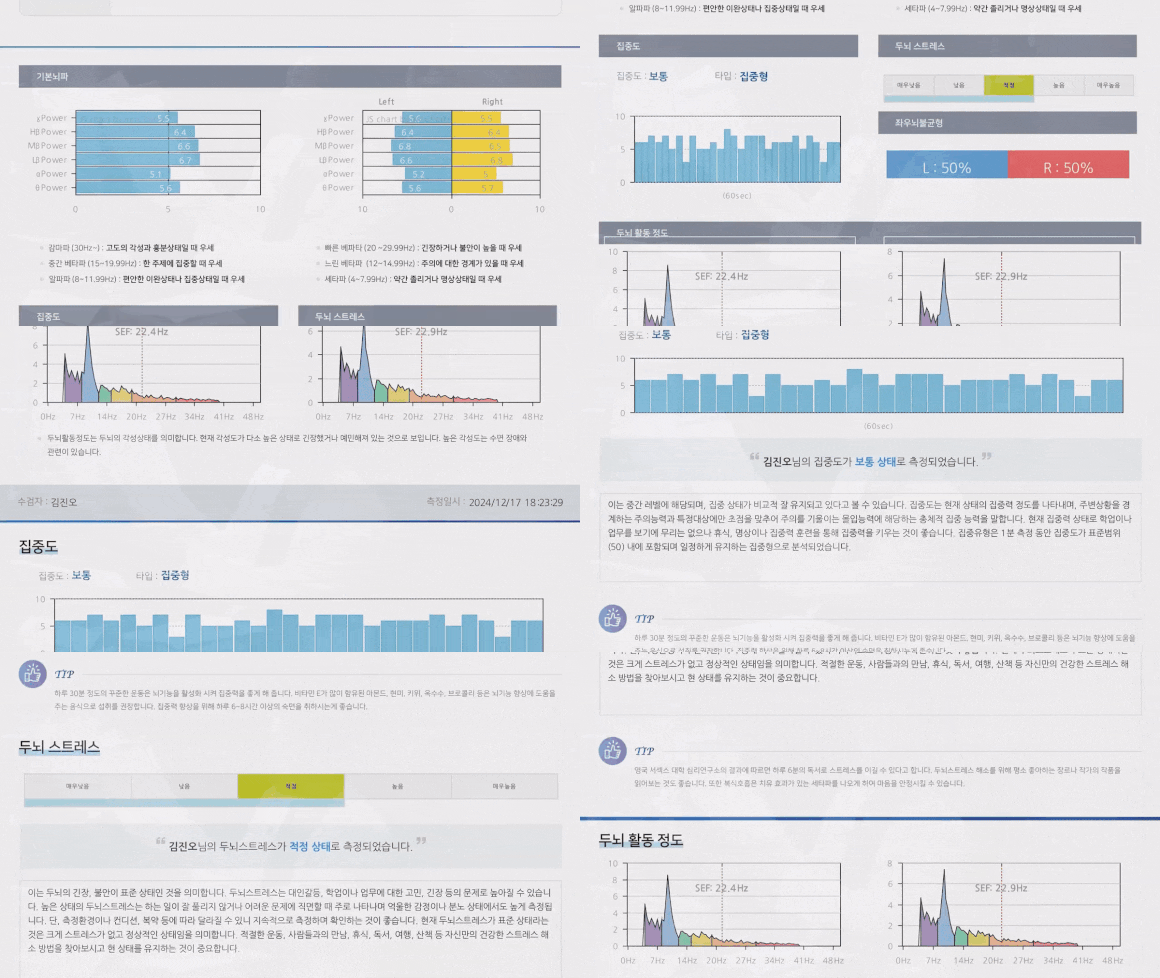
If stress is high,
stress management becomes an important part
of hair loss treatment
On the other hand, if stress is not the cause,
the treatment direction can be set with a focus on
genetic factors or other environmental factors
- How are hair loss diagnosis results used?
Diagnosis results are used to establish
patient-specific treatment plans
For example, if scalp inflammation is severe,
treatment is carried out first to reduce the inflammation
On the other hand, if it is hereditary hair loss,
the goal is to promote hair growth along with
medication treatment
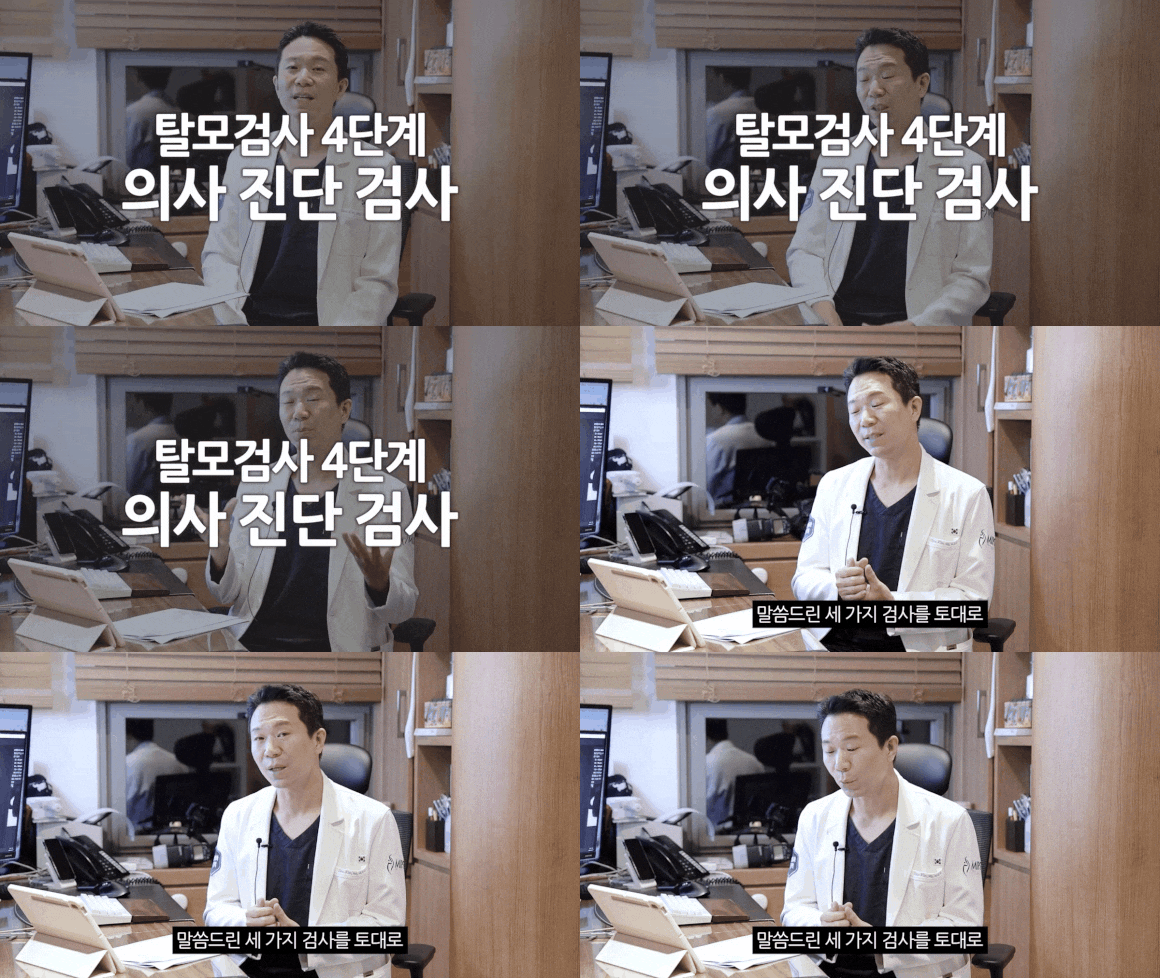
Diagnosis can also be used to compare
the condition before and after treatment
If 3D scans and microscope examinations are performed
at regular intervals,
the effectiveness of hair loss treatment can be
confirmed objectively
In this way, hair loss diagnosis does not simply stop at
checking the current condition, but also helps
with determining the direction of treatment and measuring
effectiveness
The success of hair loss treatment
starts with an accurate diagnosis
Upgraded hair loss diagnosis analyzes the scalp
condition, hair thickness, and stress level as well,
and suggests the optimal treatment direction
If you start treatment after accurately
understanding your hair loss condition,
you can expect high effectiveness while
saving time and money
If you are curious about your hair loss condition,
feel free to get a hair loss diagnosis
I hope that with the right diagnosis and
appropriate treatment, you can regain healthy hair
[This post was written directly by the director for information delivery in accordance with Article 56, Paragraph 1 of the Medical Service Act. Hair loss surgery and treatment may involve side effects, and you should make a careful decision after consulting with medical professionals.]