Hair transplantation is a good solution for many people who are worried about hair loss.
However, because transplanted hair and existing hair have different characteristics, hair loss may still progress after the transplant.
If you let your guard down after a hair transplant, the effect can be reduced by half.
Just as it is essential to take good care of yourself after losing weight through hard exercise,
people who have hair loss even after a hair transplant also need consistent care.
With steady medication treatment and systematic management, these issues can be overcome well.
Why does hair loss continue even after a hair transplant?
- Sensitivity of existing hair
Hair transplants mainly take follicles from a 'safe' donor area that is resistant to hair loss (the back or sides of the head).
However, existing hair that was not transplanted can still be affected by the hormone that causes hair loss (DHT).
So sometimes, you may see the existing hair around the newly grown transplanted hair gradually becoming thinner.
- Growth cycle of transplanted hair
Even transplanted hair does not remain exactly the same forever.
As time passes, some hair may thin due to the natural aging process.
Recently, studies have reported that transplanted hair may decrease by about 4–6% over more than 10 years.
This is not very different from ordinary hair, so there is no need to think that transplanted hair falls out especially more often.
The importance of taking medication

Source - 닥터나우

Source - 닥터나우
- Hair loss medication
The basis of hair loss treatment is suppressing DHT production or supplying nutrients to the hair follicles.
Finasteride and dutasteride suppress DHT production and protect existing hair,
while minoxidil improves blood flow and delivers more nutrients to the hair follicles.
These two medications help slow hair loss and maintain transplant results over the long term.
Recent studies have also found that people who took finasteride had better hair transplant results.
- The importance of consistent use
Medication treatment is not a short-term solution. You only see results by taking it consistently.
Studies have also shown that people who continuously took medication had higher satisfaction
and that the progression of hair loss was noticeably suppressed.
How to care for your hair after a hair transplant
- Combine with medication treatment
Even after a hair transplant, taking medication is essential.
You should take the medication consistently according to the doctor’s instructions
and regularly check the condition of your hair.
These efforts are key to protecting hair health.
- Scalp health care
The scalp is the root of hair survival.
Keep the scalp clean and moisturized thoroughly,
and create a healthy environment
through scalp massage or nourishing care.
Consistent care helps maintain hair vitality.
- Healthy lifestyle habits
Stress is a major enemy of hair loss.
Regular exercise, enough sleep, and a balanced diet
are helpful not only for hair but also for overall health.
It is also recommended to avoid smoking and excessive drinking.
To optimize hair transplant results
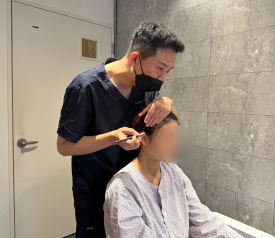
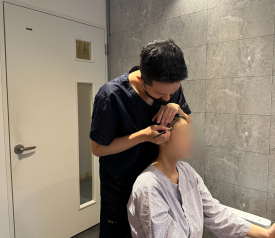
Hair transplantation is a powerful way to address hair loss concerns, but it is not a perfect solution.
To maintain successful results, medication treatment and consistent care must continue even after the transplant.
It is similar to a sport where both offense and defense must work well in order to win.
I hope you remember that the fight against hair loss requires not a momentary effort, but ongoing attention.
Now it is time for Hairhair, Kim Jino.
필생신모(必生新毛).
[This post is written directly by the director for informational purposes in accordance with Article 56, Paragraph 1 of the Medical Service Act. Hair loss surgery and treatment may have side effects, and they should be carefully decided upon through consultation with a specialist.]