Diseases Related to Female Hair Loss
Today, I’d like to introduce an interesting study.
Many women struggle with hair loss, but systematic research on its causes and associated conditions has been relatively limited.
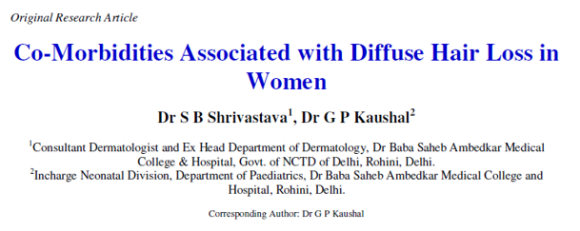
The paper released this time was an observational study of 200 women aged 15 to 45 in India, and it analyzed in depth the conditions associated with various types of hair loss.
Key Findings of the Study
The study covered the three most common types of non-scarring diffuse hair loss in women.
• Chronic telogen effluvium (CTE): 35.5%
• Female pattern hair loss (FPHL): 35%
• Telogen effluvium (TE): 23%
In particular, anemia (35.5%) and thyroid dysfunction (11.5%) were the main associated conditions commonly found across all types of hair loss.
In addition, specific triggers and associations were identified for each type.
Explanation by Hair Loss Type
1. Female Pattern Hair Loss (FPHL)
Female pattern hair loss is mainly caused by genetic factors and hormonal changes.
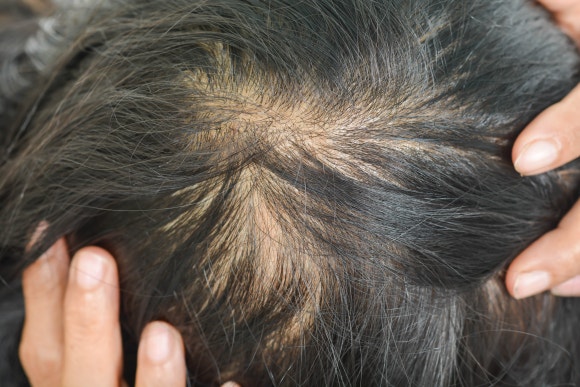
This type is characterized by a gradual decrease in hair density at the front of the scalp, resulting in a widening part.
It is most common in women after menopause and is associated with hormonal imbalance, such as a hyperandrogenic state.
2. Telogen Effluvium (TE)
Telogen effluvium refers to a state in which hair stops its normal growth cycle and falls out temporarily due to acute factors such as stress, poor nutrition, sudden weight loss, or childbirth.
It is mostly temporary, and in many cases it recovers naturally once the cause is resolved.
3. Chronic Telogen Effluvium (CTE)
Chronic telogen effluvium refers to a condition in which telogen effluvium continues to recur.
In many cases, the cause is unclear, and it may be related to health issues such as anemia or hypothyroidism.
It appears as a reduction in hair density over a long period of time.
Hair Loss Type, Number of Patients, Percentage, Main Associated Conditions
| Hair Loss Type | Number of Patients | Percentage | Main Associated Conditions |
|---|
| Female pattern hair loss (FPHL) | 70 | 35% | Hirsutism, obesity, polycystic ovary syndrome, diabetes |
| Telogen effluvium (TE) | 46 | 23% | Fever, postpartum bleeding, stress, anemia |
| Chronic telogen effluvium (CTE) | 71 | 35.5% | Anemia, hypothyroidism |
This study confirmed that hair loss is closely linked to internal medical issues such as anemia and thyroid disease.
This means that when treating patients with hair loss, a broader health assessment should be performed.
Hair loss can be an important indicator that reflects overall health, not just an external change.
Through this study, we were once again able to recognize the importance of diagnosis and the need to treat associated conditions in hair loss treatment.
We will continue to share various studies and the latest information related to hair loss.
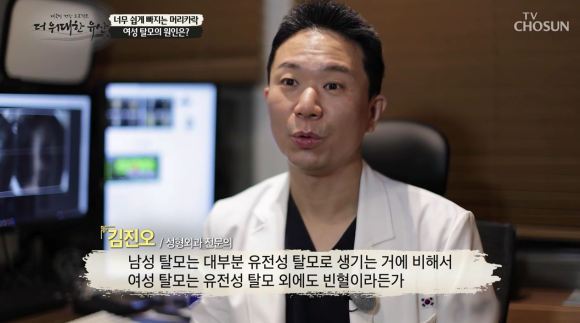
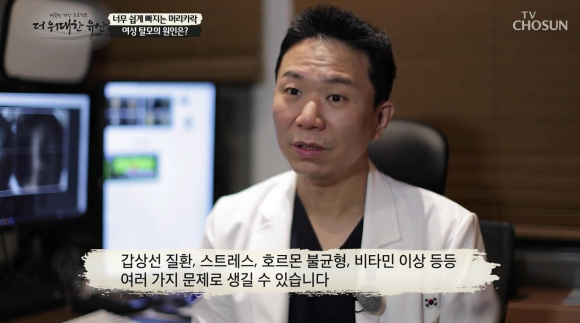
Now it’s time for hair hair, this was Kim Jino.
Wishing for new hair to be born.
[This post is written directly by the director for informational purposes in accordance with Article 56, Paragraph 1 of the Medical Service Act. Hair transplant surgery and treatment may have side effects, and please make a careful decision after consulting with a specialist.]