Before starting hair loss treatment,
do you know
what you must do first?
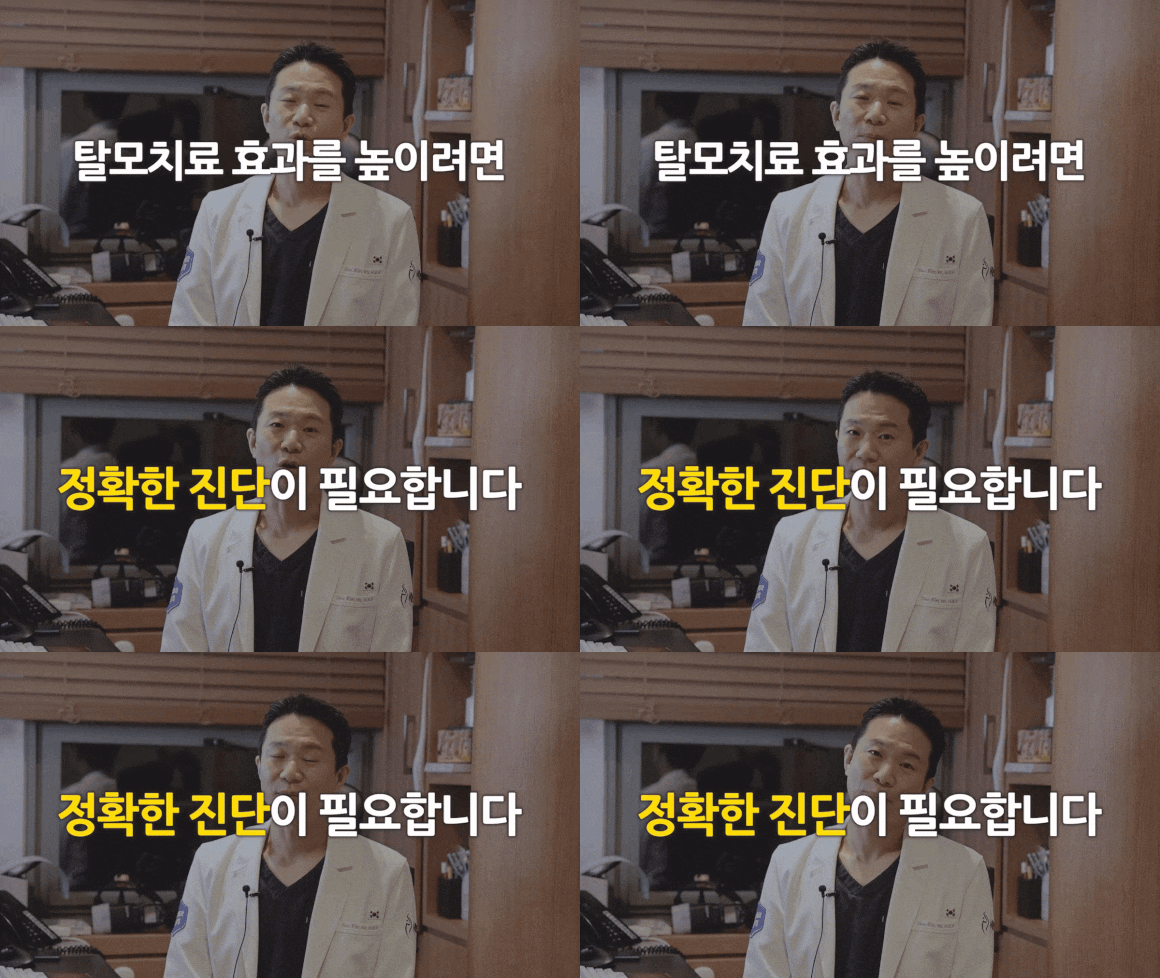
It is hair loss testing.
Simply because you have hair loss symptoms
does not mean you should start treatment
without a plan;
otherwise, the results may actually be worse.
Hair loss can occur for many reasons.
Stress, genetic factors, scalp
health issues, and other causes all vary.
Therefore, it is important to receive an accurate
diagnosis of your condition and choose
a method that fits it.
In this post, we will look in detail at why
hair loss testing is important and
how the process works.
- Why is hair loss testing necessary?
To receive good hair loss treatment,
it is important to identify
the cause of the problem.
If the scalp condition is not healthy,
even the best treatment will
not bring major changes.
For example,
if inflammation of the scalp is the cause,
you should treat the inflammation first
before beginning the main treatment.
The treatment method also changes
depending on the type of hair loss.
You need an accurate diagnosis of whether it is
male pattern hair loss,
female pattern hair loss,
or diffuse hair loss.
If the wrong treatment is applied,
not only will time and money be wasted,
but the condition may even worsen.
Hair loss testing is the first step
to prevent these problems.
- How have the latest hair loss testing methods
been upgraded?
Recently, hair loss testing has become
even more precise thanks to advances in technology.
In the past, it was common to use a DSLR camera
to visually check the scalp condition.
But now, comprehensive testing is possible,
including a 3D scanner,
microscope, and even a stress test.
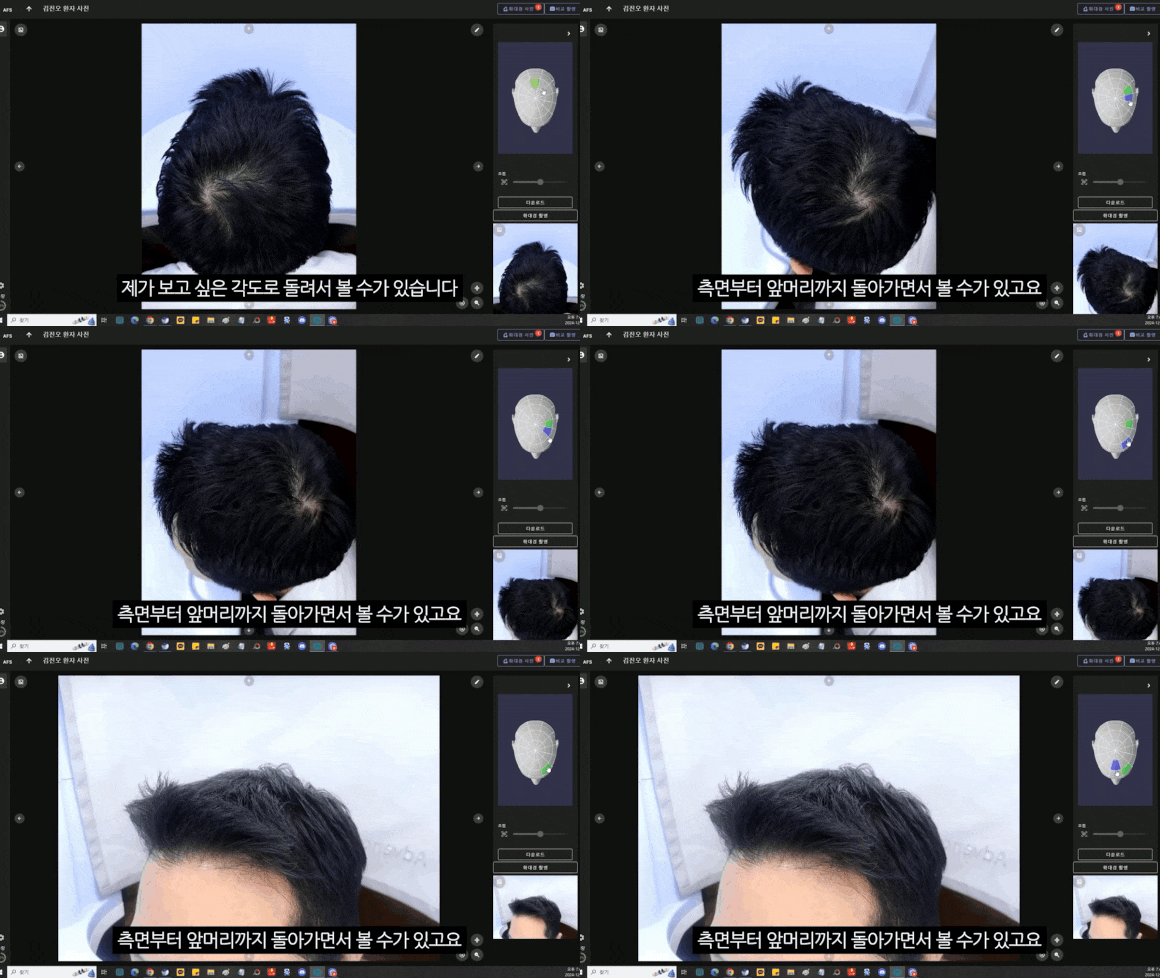
The 3D scanner takes 540 photos of the scalp
to provide a detailed analysis.
Because it captures images from the same angle
and in the same environment, it is possible
to compare past and current conditions accurately.
Through a microscope, you can check hair thickness,
density, and whether there is scalp inflammation.
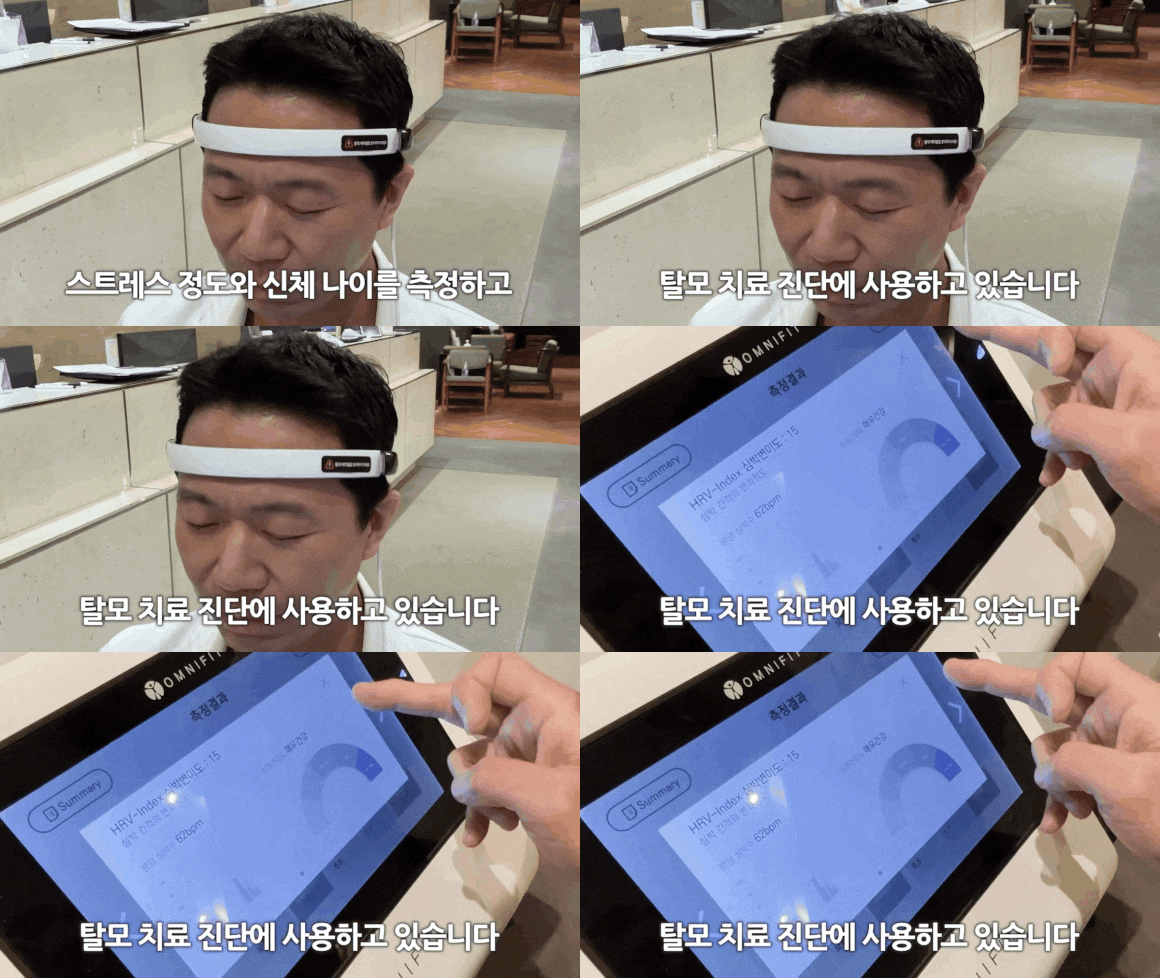
With a stress test, brain waves and pulse waves
are analyzed to understand how stress
affects hair loss.
- Detailed process of hair loss testing
It consists of a total of four steps.
The first is scalp condition analysis using
a 3D scanner.
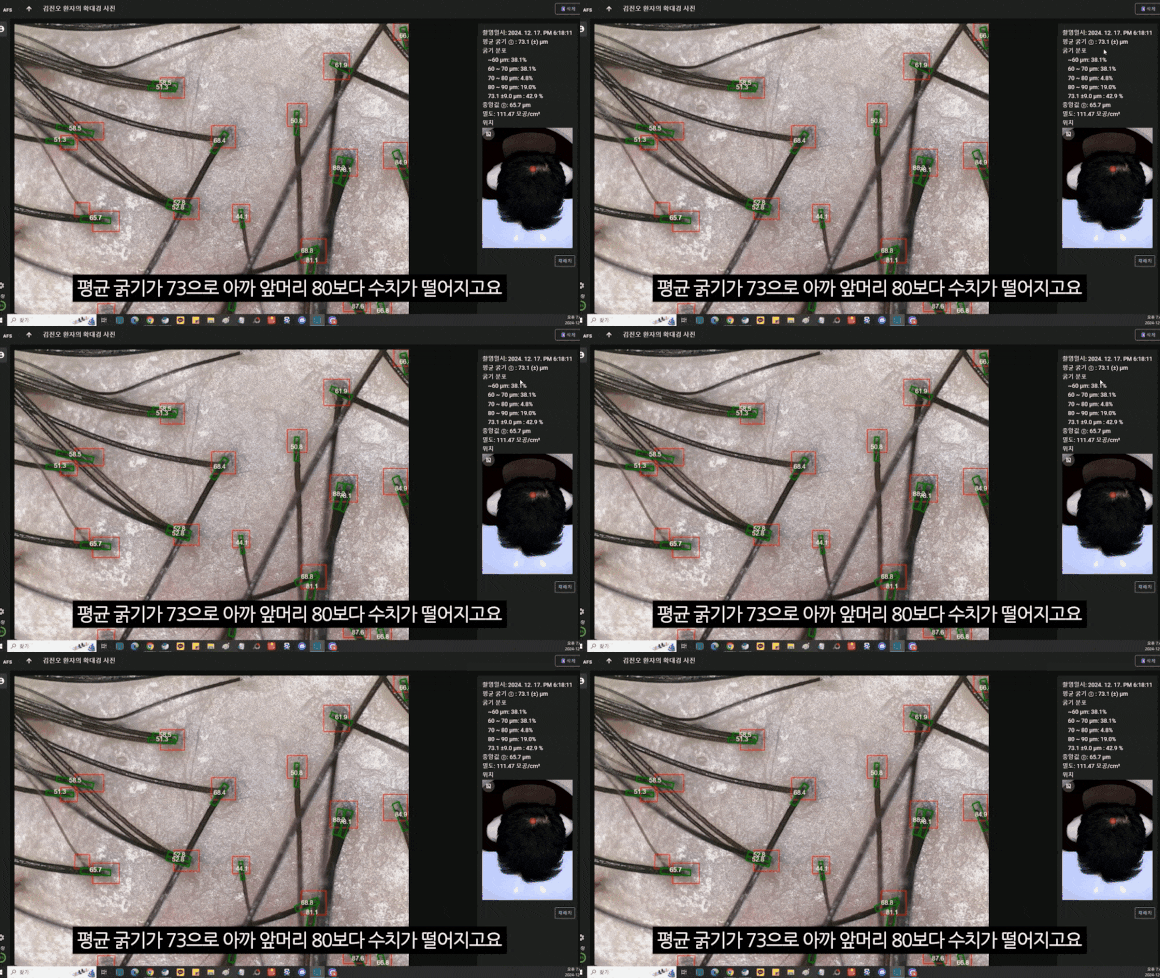
The second is a step in which the follicles
and scalp condition are examined in detail
through a microscope.
In this process, hair density and thickness are measured
by scalp area, and problem areas can be
visually identified.
The third step is a stress test.
By measuring brain waves and heart rate,
it checks how much stress is affecting
hair loss.
The final step is the doctor’s diagnosis,
where a plan suited to each patient is established
based on the data above.
- The advantages of hair loss testing and
expected results
The biggest advantage of hair loss testing
is that it can detect early hair loss quickly.
In the early stages, it is hard to notice hair loss,
but if you check your condition through testing,
you can start treatment at the right time.
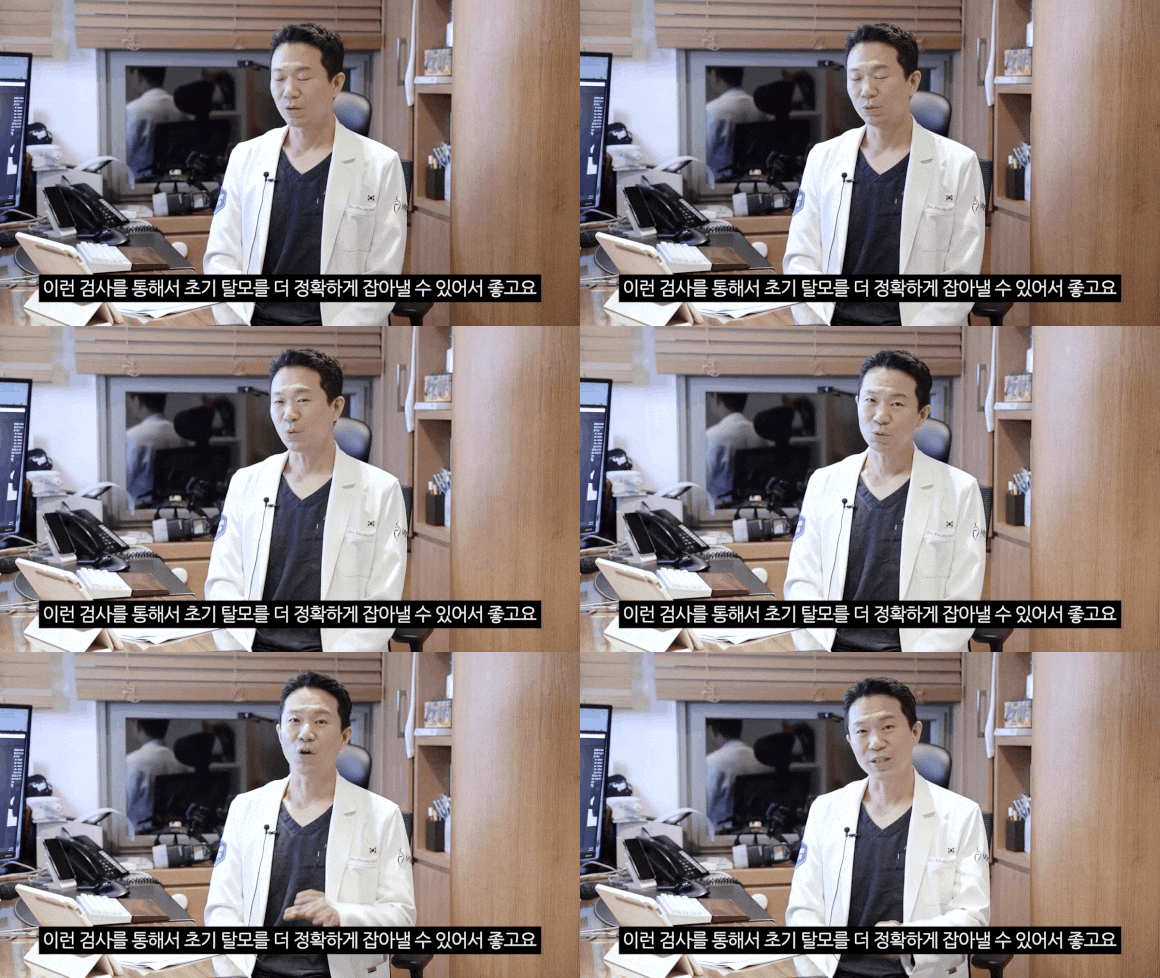
It is also possible to objectively determine
how quickly ongoing hair loss is progressing.
Based on the diagnosis results,
treatment can proceed.
Among various methods such as follicle injections,
medication treatment,
and laser treatment,
you can choose the one that is appropriate
for your condition.
Hair loss treatment
is not simply finished by taking medicine or
receiving a procedure.
What matters is accurately understanding
your condition through proper
hair loss testing.
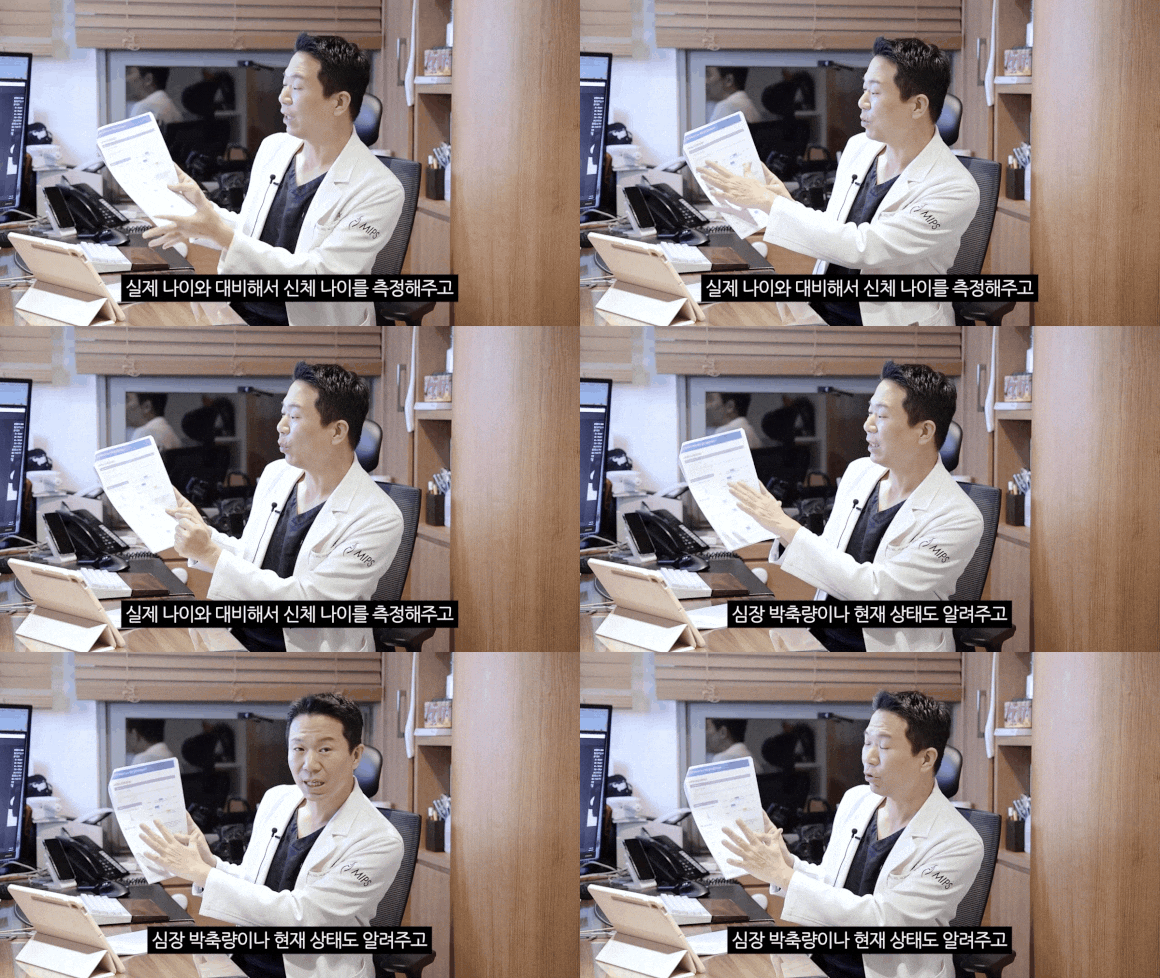
Depending on the diagnosis results, the method
changes, and accordingly the likelihood
of treatment success can also vary greatly.
If you are worried about hair loss,
don’t worry alone.
Check your condition through accurate hair loss testing,
and consult with medical staff to find a treatment method.
Hair loss treatment depends on
quick diagnosis and consistent management!
[This post is written directly by the director for informational purposes in accordance with Article 56, Paragraph 1 of the Medical Service Act. Hair transplant surgery and treatment may have side effects, so please make a careful decision through consultation with medical staff.]