Female hair loss refers to the condition in which hair becomes excessively thin or falls out.
It is considered a problem when shedding becomes excessive during the normal hair growth cycle.
Hair loss is not merely an aesthetic issue; it can also affect a woman’s confidence and emotional stability, so appropriate management is needed.
Three Stages of the Hair Growth Cycle
Growth phase (Anagen): Accounts for about 90% of all hair. During this stage, hair grows actively, and its length and thickness vary depending on the health of the hair follicle.
Regression phase (Catagen): A short period lasting about 2 to 3 weeks, during which the hair follicle shrinks, growth activity stops, and hair growth comes to a halt.
Resting phase (Telogen): Lasts about 2 to 4 months, during which existing hair naturally sheds and the body prepares for new hair to grow.
Main Types of Female Hair Loss
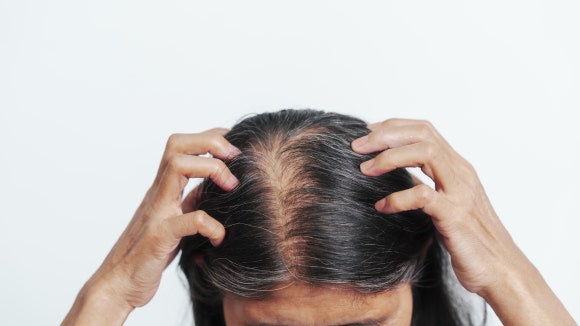
- Female pattern hair loss (FPHL)
It begins at the crown and gradually widens the part line.
Genetic factors and hormonal changes are the main causes.
In particular, the decrease in estrogen after menopause accelerates the progression of female pattern hair loss.
- Telogen Effluvium
This is temporary hair loss caused by childbirth, severe stress, illness, or hormonal changes.
Many hairs suddenly enter the resting phase, and shedding speeds up, but
when the cause is removed, hair can recover relatively quickly.
- Anagen Effluvium
After exposure to chemotherapy, radiation therapy, or toxic substances, hairs in the growth phase fall out rapidly.
- Traction Alopecia
This occurs when hair is pulled over a long period due to ponytails, tightly tied hair, and similar styles.
If traction alopecia is left untreated for a long time, the hair follicles can be permanently damaged.
Prevalence of Female Hair Loss
In Korea as well, the percentage of women experiencing hair loss increases with age.
In particular, more than 60% of women after menopause report hair loss symptoms, and this is closely related to hormonal changes, especially the decrease in estrogen.
| Age group | Percentage of women who experienced hair loss |
|---|
| 20-30 years | 10% |
| 31-50 years | 35% |
| After menopause | Over 60% |
Hair loss can also occur in younger women and should not be dismissed as merely an age-related phenomenon.
Especially when early symptoms appear, it is important to seek help from a specialist early.
Main Causes of Female Hair Loss
- Hormonal changes
A decrease in estrogen after menopause is a major factor in hair loss.
Hormonal imbalances such as polycystic ovary syndrome (PCOS) can also cause early hair loss in younger women.
- Nutritional deficiencies
A lack of essential nutrients such as iron, zinc, and vitamin D negatively affects hair growth.
Recently, cases of hair loss due to dietary management or dieting have been increasing.
- Stress and lifestyle habits
Chronic stress can worsen hair loss by increasing cortisol and androgen levels.
Chemical treatments and frequent styling further damage hair follicles.
A lack of sufficient sleep can also accelerate hair loss.
- Genetic factors
Women with a family history are at higher risk of developing hair loss.
It is important to detect and manage genetic hair loss early.
When Does Female Hair Loss Stop?
Hair loss may not stop completely, but as hormone levels stabilize after menopause, some women tend to experience reduced hair loss or stabilization.
However, the rate of progression and the timing of when it stops can vary depending on the cause.
Genetic factors: If there is a family history of hair loss, the likelihood of progression is high.
Hormonal balance: Stabilizing estrogen levels plays an important
role.
Improving lifestyle habits: Stress management and proper nutritional intake
are helpful.
If hair loss does not stop, consultation and treatment are necessary.
In particular, active intervention at an early stage can slow the progression of hair loss and lead to effective results.
Treatment Methods for Female Hair Loss
Medication treatment
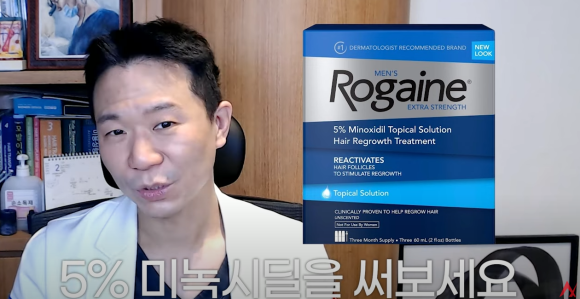
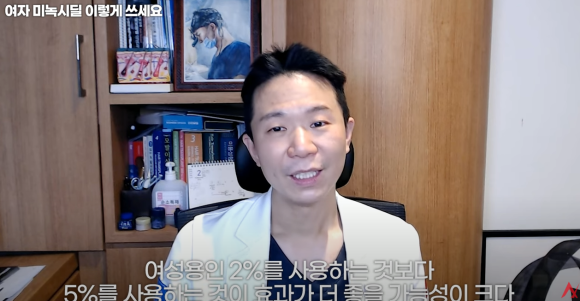
Minoxidil
Used topically, it stimulates hair follicles and promotes hair growth.
It is an FDA-approved drug and requires regular use.
Spironolactone
It suppresses androgen effects and helps reduce hair loss.
Consultation with a specialist is essential before use.
Non-drug therapies
Platelet-rich plasma (PRP) therapy
PRP extracted from one’s own blood is injected into the scalp to
promote hair follicle regeneration.
Its strength is its natural regenerative effect.
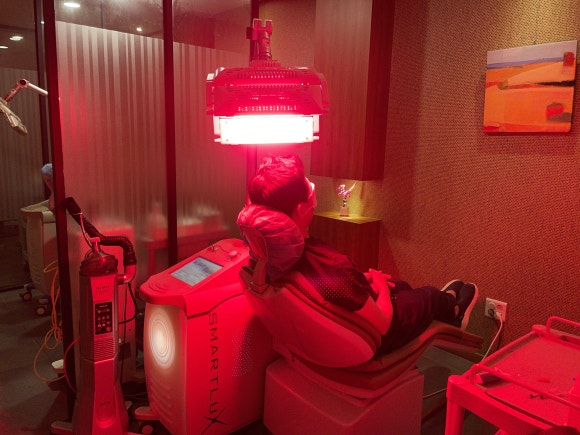
Low-level laser therapy (LLLT)
It activates hair follicles using FDA-approved devices.
It is painless and does not interfere with daily life, so it is preferred.
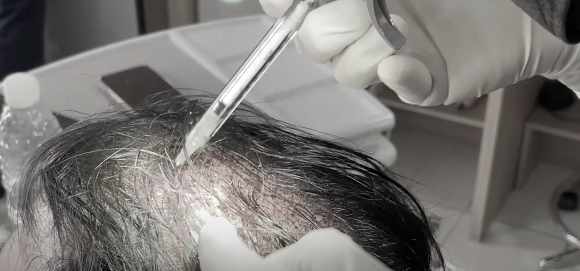
Hair follicle injections
Drugs that promote hair growth are injected directly into the scalp to
help activate hair follicles.
After the injections, scalp condition may improve and hair quality may be enhanced.
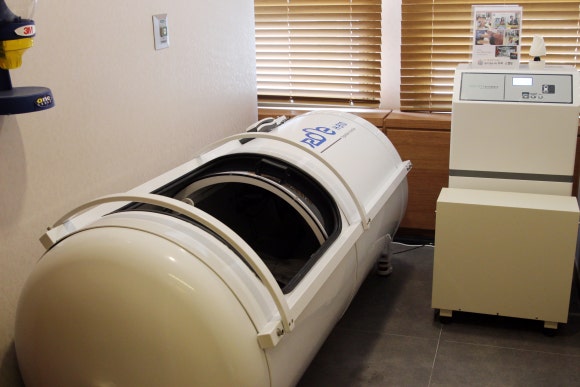
Hyperbaric oxygen therapy
It delivers high-concentration oxygen to scalp tissue and supports blood circulation and
hair follicle growth.
It is also effective in reducing scalp inflammation.
4 Ways to Prevent Female Hair Loss
- Nutrient intake
Maintain a balanced diet that includes 40–60 g of protein per day, along with iron, zinc, and vitamin D.
In particular, it is recommended to eat foods rich in omega-3 fatty acids, which are good for scalp and hair health.
- Prevent damage
Reduce excessive chemical processing and the use of high-heat tools, and maintain styling that does not place stress on the scalp.
Space out coloring or perming sessions and choose products with less irritation.
- Regular scalp care
Promote blood circulation through scalp massage and maintain the health of hair follicles.
It is important to use suitable shampoos and scalp care products.
- Stress management
Reduce stress through regular exercise, meditation, and sufficient sleep.
Maintain emotional stability through light hobbies or leisure activities.
Female hair loss occurs for a variety of reasons and requires management for treatment and prevention.
If you do not neglect hair loss and actively manage it from the earliest symptoms, you can achieve better results.
Through regular consultations with a specialist, find the treatment and care methods you need and maintain healthy hair.
Now it is time for hairhair, Kim Jino.
May new hair be born (必生新毛).
[This post was written directly by the director to provide information in accordance with Article 56, Paragraph 1 of the Medical Service Act. Hair transplant surgery and treatments may have side effects, and you should make a careful decision through consultation with a specialist.]