Testosterone replacement therapy (TRT) is a treatment that helps compensate for low testosterone levels in men, and it offers various benefits such as increased energy, improved libido, and increased muscle mass.
However, concerns about hair loss are often discussed at the same time.
This can be an even bigger concern for people who are genetically sensitive to male pattern hair loss (androgenetic alopecia).
Hormone therapy for men can raise testosterone levels and may also increase dihydrotestosterone (DHT) levels.
DHT is known as a major cause of male pattern hair loss, but testosterone replacement therapy does not necessarily cause hair loss.
Whether hair loss occurs is most strongly influenced by the hair follicles' sensitivity to DHT,
and this is determined by an individual's genetic factors.
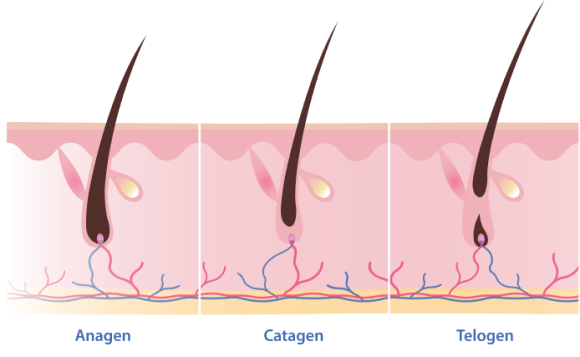
Hair goes through the following three cycles.
-
Anagen: the growth phase, which lasts for several years.
-
Catagen: a short transition phase in which hair growth stops.
-
Telogen: the resting phase, during which hair falls out and new hair growth is prepared.
DHT causes hair follicles to shrink, gradually replacing them with finer and weaker hair.
Eventually, with repeated long-term exposure, hair in that area may disappear completely.
If DHT levels rise due to testosterone replacement therapy, hair loss may accelerate, but this depends greatly on follicular sensitivity.
Testosterone replacement therapy and hair loss, as seen through research
Genetic predisposition is more important
People without DHT sensitivity are unlikely to develop hair loss even if DHT levels rise due to hormone therapy.
Research on transgender men
Among transgender men who received testosterone replacement therapy,
about 5–17% were reported to have experienced mild hair loss within one year.
Complex genetic factors
Male pattern hair loss is influenced not by a single gene,
but by multiple genes.
Therefore, a personalized approach is important.
How to manage hair loss during testosterone therapy (5 ways)

- DHT blockers
→ However, these medications may have side effects such as reduced libido.
- Minoxidil
- Extends the hair growth phase and promotes regrowth in areas of hair loss. It is effective for early hair loss management.
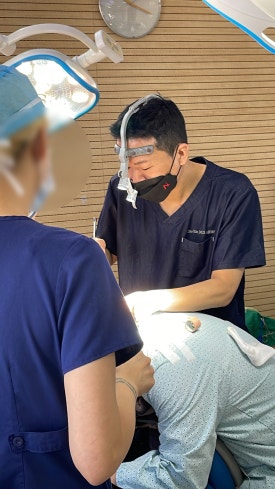
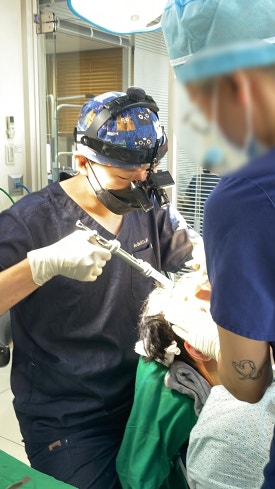
- Hair transplantation
- Hair follicles can be transplanted without damage, making it possible to restore areas affected by hair loss.
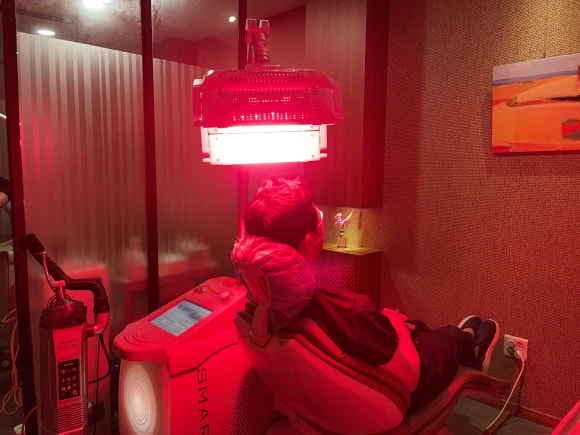
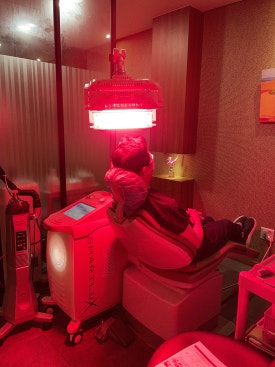
- Low-level laser therapy (LLLT)
- Uses light of a specific wavelength to stimulate hair follicle cells, effective for increasing density and suppressing the progression of hair loss.
- Natural therapies
-
Nutritional supplements: improve hair health by addressing deficiencies in zinc, biotin, vitamin C, D, and E.
-
Caffeine shampoo: known to have a DHT-inhibiting effect.
-
Rosemary oil: studies have found that its hair growth-promoting effect is similar to that of minoxidil.
Does Testosterone Replacement Therapy (TRT) Cause Hair Loss?
Conclusion
Testosterone replacement therapy may promote hair loss in people sensitive to androgenetic alopecia, but the decisive factor is not the treatment itself, but the hair follicles' sensitivity to DHT.
Therefore, if you have a genetic predisposition to hair loss, it is important to consult thoroughly with medical professionals before starting hormone therapy and to combine it with hair loss prevention strategies.
You should find a management method that fits your individual condition through consultation with a doctor.
This is the most effective way to benefit from testosterone replacement therapy while reducing concerns about hair loss.
It's time to make hairhair again, this was Kim Jino.
필생신모(必生新毛).
[This post is written directly by the director for informational purposes in accordance with Article 56, Paragraph 1 of the Medical Service Act. Hair loss surgery and treatment may have side effects, and they should be carefully decided upon through consultation with a specialist.]