Alopecia areata is an autoimmune disease in which the immune system attacks the hair follicles, causing sudden hair loss.
Recent studies have found that trace nutrients such as zinc, copper, and vitamin D are closely related to alopecia areata.
So how do these nutrients affect the prevention and management of alopecia areata?
Let’s take a look together.
Causes of Alopecia Areata
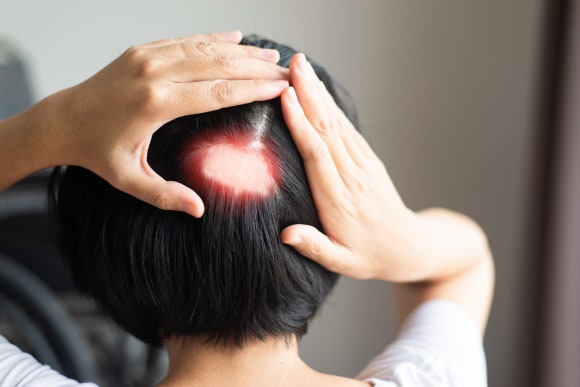
Alopecia areata is not simply hair loss, but a condition caused by abnormalities in the immune system.
It may be associated with thyroid disease, systemic lupus erythematosus (SLE), skin infections, and more,
and psychological stress also acts as a major factor.
Alopecia areata also places a heavy economic burden.
For example, in Japan, annual treatment costs were reported to reach about USD 857 million (about KRW 113 billion).
Vitamin D and Alopecia Areata
Vitamin D plays an important role in regulating the growth cycle of hair follicles.
According to research, the blood vitamin D levels of patients with alopecia areata were significantly lower than those of healthy individuals, and a synthesis of 23 studies showed an average decrease of -0.93 ng/mL.
It was also found that if there is a vitamin D deficiency, the risk of developing alopecia areata increases 2.48-fold.
The Link Between Zinc Deficiency and Hair Loss
Zinc is an essential mineral for hair growth and regeneration, and it also plays an important role in immune function and cell division.
An analysis of 10 studies found that the blood zinc concentration of patients with alopecia areata decreased by an average of -0.69 μg/dL.
This suggests that when zinc is insufficient, the likelihood of developing alopecia areata increases.
Therefore, it is important to make sure zinc is supplied adequately.
The Relationship Between Copper and Alopecia Areata
Copper helps with blood vessel formation and antioxidant activity, but its direct link to alopecia areata has not yet been clearly established.
An analysis of 5 studies found no significant difference in blood copper concentration between patients with alopecia areata and healthy individuals.
In other words, further research is needed to determine whether copper intake is necessarily required for the prevention or treatment of alopecia areata.
How to Manage Alopecia Areata



Taken together, the research results show that deficiencies in vitamin D and zinc are major factors that increase the risk of alopecia areata.
On the other hand, the role of copper is still unclear, and more in-depth analysis is needed through future research.
Therefore, to help prevent alopecia areata and slow its progression, it may be helpful to regularly check blood vitamin D and zinc levels and supplement them when necessary.
Of course, simple nutritional supplementation alone cannot completely resolve hair loss,
but maintaining a balanced diet and healthy lifestyle plays an important role in the prevention and management of alopecia areata.
If you are concerned about hair loss, it is a good idea to review your current eating habits and, if necessary, consult a specialist and consider appropriate nutritional supplementation.
It’s time for hairhair to grow, this was Kim Jino.
Pilsaengsinmo (必生新毛).
[In accordance with Article 56, Paragraph 1 of the Medical Service Act, this post is being written directly by the director for informational purposes. Hair loss surgery and treatment may have side effects, so please make a careful decision through consultation with a specialist.]