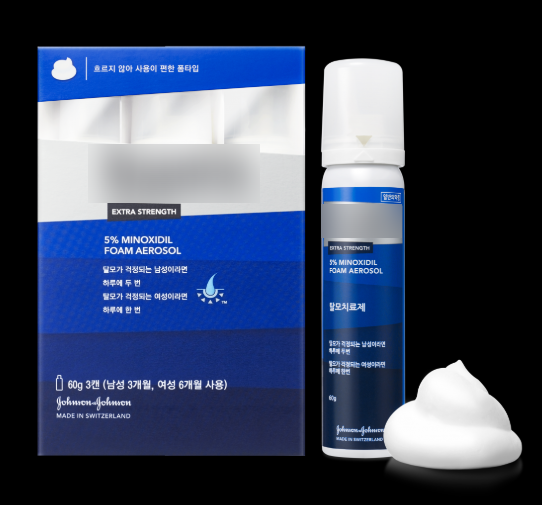
Source - DongA Ilbo
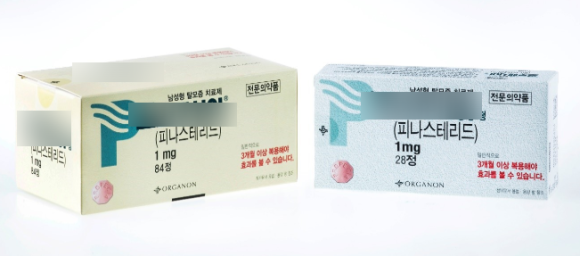
Source - Medipana News
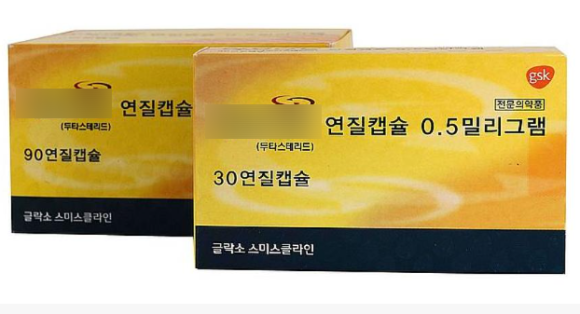
Source - MediGate
Hair loss is a serious concern for many people.
In particular, male pattern hair loss (androgenetic alopecia) occurs due to genetic factors and the action of male hormones (androgens).
The treatments widely used for hair loss today are minoxidil and 5-alpha reductase inhibitors (5ARIs), better known as finasteride and dutasteride.
A study was conducted to compare the effectiveness of these two treatments.
In this study, a network meta-analysis (NMA) was used to compare the effects of minoxidil, dutasteride, and finasteride.
This method is a powerful statistical technique that combines data from multiple clinical studies to evaluate the relative effectiveness of treatments.
The research team analyzed data from more than 30 clinical studies around the world,
and each study included an average treatment period of more than 12 months.
-
Study subjects: More than 10,000 male hair loss patients aged 18 and older
-
Evaluation criteria: Changes in hair count (photographic measurement and hair density measurement), patient satisfaction surveys, adverse event rates
-
Study groups
o Minoxidil (5% solution) group
o Finasteride (1 mg/day) group
o Dutasteride (0.5 mg/day) group
o Placebo group
Hair growth effects
-
Dutasteride (0.5 mg/day) was the most effective, with an average increase of 25 to 30 new hairs per 1 cm².
-
Finasteride (1 mg/day) showed an increase of 15 to 20 hairs per 1 cm², while minoxidil (5%) showed an increase of 10 to 15 hairs.
-
In the placebo group, only a slight increase of 5 or fewer hairs per 1 cm² was observed.
Adverse event comparison
-
Dutasteride and finasteride were reported to cause adverse effects such as decreased libido (6 to 8%), erectile dysfunction (3 to 5%), and reduced semen volume (2 to 4%), and these adverse effects appeared slightly more frequently with dutasteride.
-
Minoxidil had local side effects such as scalp itching (10%), skin rash (5%), and temporary initial worsening of hair loss (7%), but systemic side effects were rare.
Taken together, the study results show that the most effective treatment is dutasteride,
but when side effects are taken into account, finasteride or minoxidil can also be good alternatives.
If you want a strong effect → Dutasteride
If you want to reduce side effects → Finasteride
If you prefer a topical treatment → Minoxidil
Research is currently underway on hair growth prediction models using artificial intelligence,
and there is a high possibility that personalized treatment methods will be developed.
In addition, research on new hair loss treatments such as JAK inhibitors is actively being carried out,
so more effective treatment options are expected to emerge in the future.
It is now time for Hairhair, Kim Jino.
Will grow new hair for sure (必生新毛).
[In accordance with Article 56, Paragraph 1 of the Medical Services Act, this post is written directly by the director for informational purposes. Hair loss surgery and treatment may have side effects, and please make a careful decision through consultation with a specialist.]