Hair loss is not just a change in appearance.
Research shows that about 47% of hair loss patients experience an anxiety disorder, and even the loss of hair alone can lead to lowered self-esteem and social withdrawal.
In particular, Alopecia Areata is closely related to autoimmune disease, so its impact on mental health is even greater.
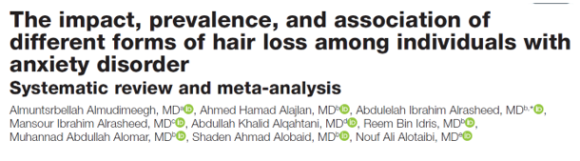
According to recent research, the average anxiety score of hair loss patients (based on HADS-A) was 7.87, which is higher than that of the general population.
The intensity of anxiety differs by type of hair loss as follows.
-
Alopecia Areata (AA): Highest risk of anxiety
-
Androgenetic Alopecia (AGA): Causes moderate anxiety
-
Frontal Fibrosing Alopecia (FFA): Insufficient research data
In particular, after COVID-19, stress increased and telogen effluvium surged, leading to more cases of people reporting anxiety disorders as a result.
Ways to overcome hair loss and anxiety
- Establish an accurate diagnosis and treatment plan
Treatment methods differ depending on the type of hair loss.
In addition to medication such as minoxidil and dutasteride, various options can be considered, including hair transplantation, low-level laser therapy (LLLT), and PRP treatment.
- Psychological counseling and stress management
If anxiety disorder is severe, combining cognitive behavioral therapy (CBT) or professional counseling can be helpful.
It is also important to develop habits that reduce stress through meditation, exercise, hobbies, and similar activities.
- Improve social awareness and strengthen emotional support
Hair loss is a medical condition and nothing to be ashamed of.
Understanding and support from family and friends are important, and referring to hair loss communities or advice from people who have experienced hair transplantation can also be very helpful.
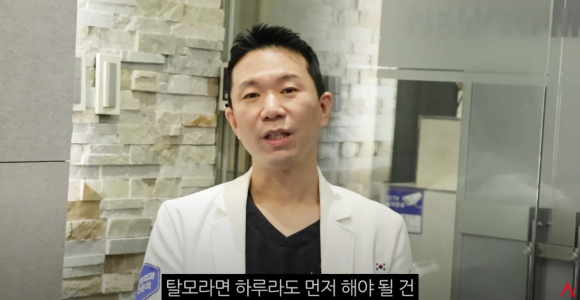
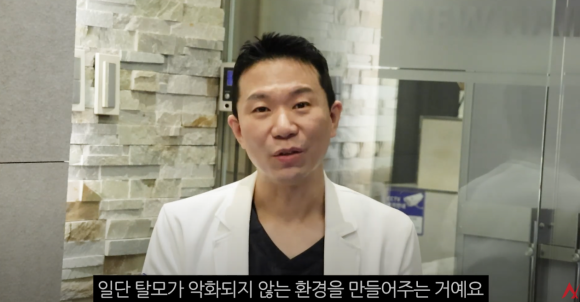
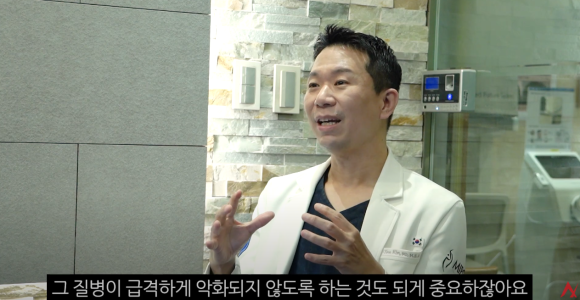
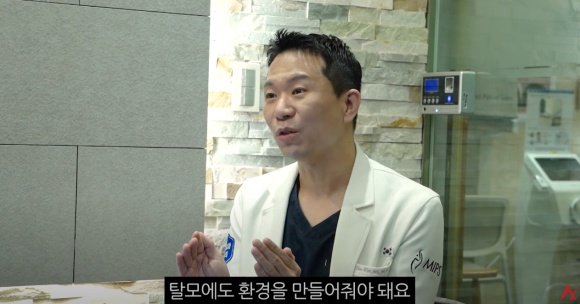
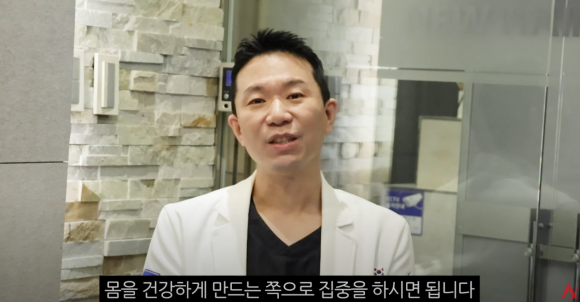
Feeling anxious because of hair loss is natural.
However, hair loss is a condition that can be managed, and if proper treatment is combined with mental health care, quality of life can be greatly improved.
Hair loss treatment is not just about getting hair back, but about regaining confidence.
It is time for hair hair, Kim Jin-oh.
Pilsaengsinmo (必生新毛).
[This post is written directly by the director to provide information in accordance with Article 56, Paragraph 1 of the Medical Service Act. Hair transplant surgery and treatment may have side effects, and please make a careful decision through consultation with a specialist.]