Hair loss is a serious concern for men.
In particular, male pattern hair loss (Male Pattern Hair Loss, MPHL) is deeply related not only to genetic factors but also to hormonal changes.
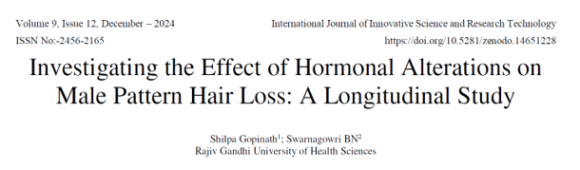
Research conducted over the past three years has analyzed the effects of hormones such as DHT (dihydrotestosterone), testosterone, and cortisol on the progression of hair loss.
In this article, we will look at the causes of male pattern hair loss and effective treatment methods based on the research findings.
The main cause of male pattern hair loss is a powerful androgen hormone called DHT.
According to research, DHT binds to androgen receptors in hair follicles, gradually making hair thinner and shorter, and eventually causing follicle miniaturization that leads to hair loss.
Research results
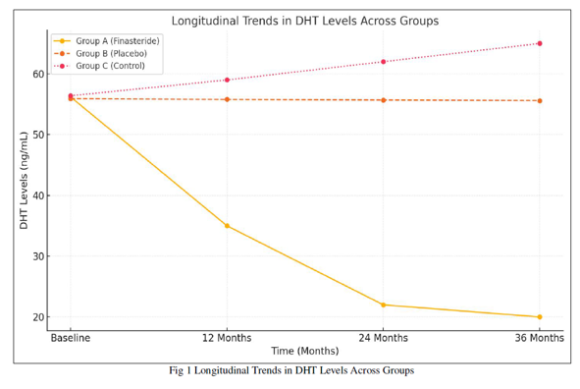
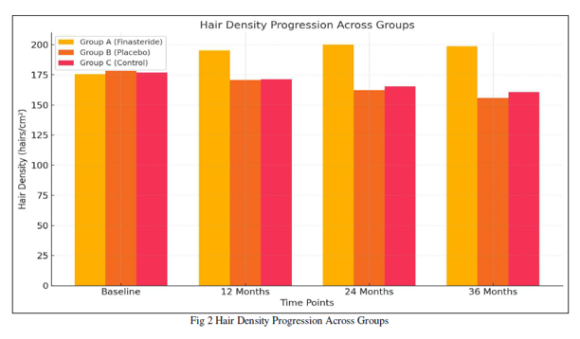
In the finasteride (1 mg/day) group, DHT decreased by an average of 60%, and hair density increased.
In the untreated group, DHT increased by 5% each year, and hair loss continued to progress.
Therefore, suppressing DHT can be said to be the key to MPHL treatment.
Testosterone
In the group that took finasteride, testosterone levels increased by 15%.
This was the result of a relative increase in testosterone as DHT was suppressed, but
it did not have a major effect on hair loss.
Cortisol (stress hormone)
When stress is severe, elevated cortisol levels can lead to suppression of hair growth.
The study found that finasteride did not affect cortisol, but it suggests that stress relief may help prevent hair loss.
Finasteride is effective in preventing hair loss progression by suppressing DHT, but it also has side effects.
Advantages: Suppresses hair loss progression + increases hair density (80% of users experienced positive changes within 2 years) Disadvantages: Side effects such as decreased libido (15%) and fatigue (10%)
In addition, if you stop taking the medication, DHT rises again and hair loss progresses, so long-term use is necessary.
Recent studies have also been developing new approaches beyond finasteride, such as topical DHT inhibitors with fewer side effects and gene therapy.
Alternative treatments
-
Topical DHT inhibitors: A potentially effective treatment while minimizing side effects
-
Nutrition and lifestyle improvements: Stress management and maintaining a balanced diet (protein and omega-3 intake) also help prevent hair loss
-
Personalized treatment: The optimal treatment method is suggested through individual hormone analysis

This study once again confirmed that DHT suppression is a key factor in hair loss treatment.
Finasteride is an effective treatment, but side effects and the need for continuous use are drawbacks.
Therefore, a comprehensive approach based on hormone profiles, along with stress management and nutritional intake, is necessary.
Now it is time for hairhair, Kim Jin-oh.
Filsaengsinmo (必生新毛).
[This post is written directly by the director for the purpose of providing information in accordance with Article 56, Paragraph 1 of the Medical Service Act. Hair loss surgery and treatment may have side effects, and you should make a careful decision through consultation with a specialist.]