Hair loss can be worsened not only by genetic factors, but also by a variety of environmental and lifestyle factors.
Recent studies are scientifically analyzing how factors such as diet, sleep habits, and stress affect the progression of hair loss.

- The Relationship Between Lifestyle Habits and Hair Loss
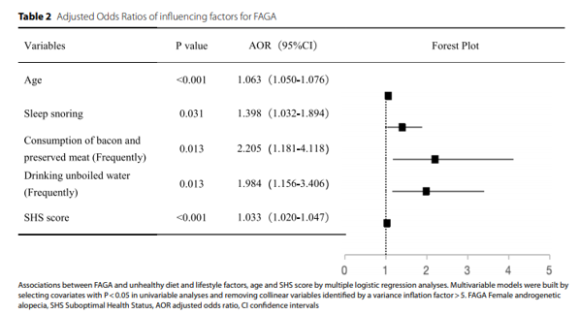
According to a recent study published in BMC Public Health, sleep deprivation, processed meat consumption, and exposure to fine dust were identified as major factors that promote hair loss.
In particular, sleep apnea and frequent consumption of processed meat were found to increase the risk of female-pattern hair loss.
This suggests that irregular lifestyle habits also affect hair health.
- Nutritional Imbalance and Hair Health
To maintain scalp and hair health, essential nutrients such as protein, iron, zinc, and omega-3 fatty acids must be supplied adequately.
However, modern diets are often centered on processed foods and instant meals, making it easy to become deficient in these nutrients.
The study warns that frequent consumption of processed meats such as bacon and sausages may double the risk of hair loss.
- Latest Research Findings
According to the BMC Public Health study, sleep deprivation, processed meat consumption, and exposure to fine dust were analyzed as major factors that increase the risk of hair loss.
The study was conducted with 3,008 participants and revealed the correlation between hair loss and lifestyle habits through surveys and statistical analysis.
In particular, participants who experienced sleep apnea had a significantly higher likelihood of developing hair loss than the group that did not.
- Lifestyle Improvements for Preventing Hair Loss

- Maintain a balanced diet: Reduce your intake of processed meats and
consume foods rich in iron and protein.
- Get enough sleep: It is important to get at least 7 hours of quality sleep
each day.
-
Take care of scalp health: Improve the scalp environment by using the right shampoo and treatment for you.
-
Consult medical professionals: If hair loss is progressing, it is necessary to consult medical professionals early
and receive appropriate treatment.

Hair loss is not simply a genetic issue; in many cases, it can be sufficiently managed through lifestyle and environmental factors.
If you maintain proper lifestyle habits, you can keep your scalp and hair healthy.
Let’s start practicing small habits for preventing hair loss from now on.
It’s time for hairhair, this was Kim Jino.
Pilsaengsinmo (必生新毛).
[This post is written directly by the director for information-sharing purposes in accordance with Article 56, Paragraph 1 of the Medical Service Act. Hair loss surgery and treatment may have side effects, and you should make a careful decision after consulting with a specialist.]