- How Hair Loss Medications Work and Why Consistent Use Matters
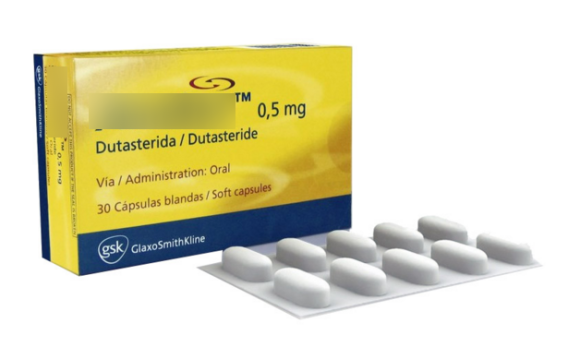
In general, oral medications such as finasteride and dutasteride, or topical agents such as minoxidil,
help ease the thinning and shedding of hair, protect hair follicles, and maintain hair thickness and density.
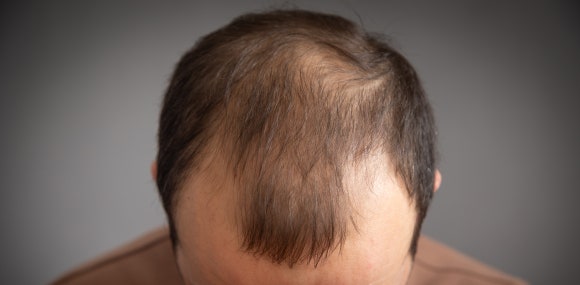
- Main cause of male pattern hair loss
Genetic factors and the activation of male hormones (especially DHT, dihydrotestosterone) gradually weaken hair follicles, and new hair grows in more sparsely or becomes thinner.
– Finasteride/dutasteride: Block the process by which testosterone is converted into DHT, reducing the burden on hair follicles.
– Minoxidil: Improves blood flow around hair follicles and stimulates hair growth.
- Why do you need to keep using them consistently?
These medications are unlikely to show significant effects with short-term use (or application), and
their hair-loss prevention and reduction effects continue only when a steady concentration is maintained.
If you stop, the hair returns to its natural state, and hair loss begins to progress again.
- If You Stop the Medication, Will Your Hair Fall Out All at Once?

Source - Health JoongAng
Source - BBS Buddhist Broadcasting System

Source - Maeil Business Newspaper
After stopping hair loss medication, I often meet people who say, “It feels like it suddenly started falling out all at once.”
To understand this, it is necessary to look at the hair growth cycle and the delayed effects caused by taking hair loss medication.
Hair naturally renews itself through the growth phase (2–6 years) → transitional phase (a few weeks) → resting phase (about 3 months).
In cases of hair loss, this cycle becomes shorter, or more hairs enter the resting phase.
- Why it does not fall out gradually, but suddenly
When hair that had been maintained by medication returns to its original state as soon as the medication is stopped,
hair follicles that had already thinned may shed around the same time.
- ‘Falls out all at once’ vs. ‘natural state’
This does not actually mean that more hair is falling out than would have happened without using medication at all, but rather that the shedding is concentrated at one point in time, making it feel much more noticeable.
- What Is “Catch Up Hair Loss”?
When hair loss medication is stopped, the shedding of hair that had been maintained during treatment can catch up with its shedding cycle and fall out in a cluster. This is called “catch up hair loss.”
This is the result of hair loss being suppressed or delayed during the period of medication use,
and the key point is that hair that would have fallen out anyway temporarily sheds in a concentrated way after the medication is stopped.
- Why does catch up hair loss happen?
As the hair-loss-suppressing effect of the medication disappears, hair that has entered the resting phase or weakened hair follicles go through replacement all at once.
The prevailing view is that it does not become more severe than the natural course that would have occurred if the medication had not been used from the start.
Because it falls out in a cluster at one point in time, it may look like a “sudden large-scale shedding,” but in the end, it is closer to the shedding that would have naturally happened anyway, simply appearing all at once with a time lag.
- How Should Hair Loss Be Managed?
- Continue taking or applying the medication
If you started medical treatment because you were concerned about hair loss, the most important thing is to use it consistently.
If you must stop, you may also consider gradually reducing the dose while adjusting the timing.
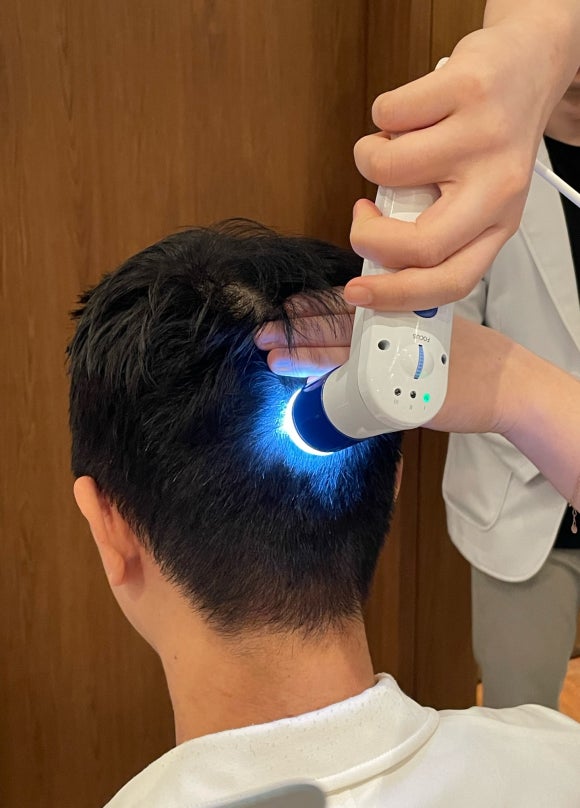
- Monitor the scalp and hair after stopping
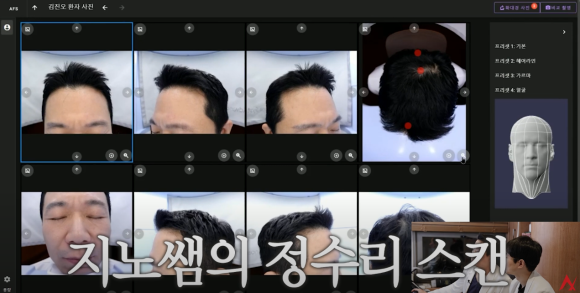
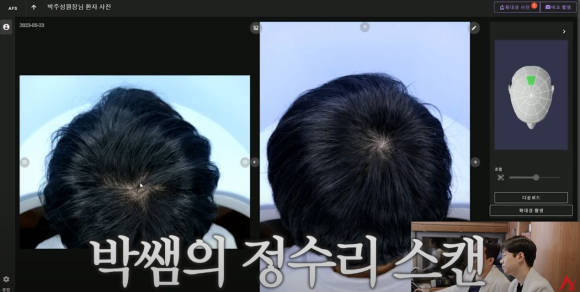
Since sudden “catch up hair loss” may occur, it is a good idea to understand the situation through regular scalp checks or
hair density monitoring and reduce anxiety.
- Improve your lifestyle at the same time
Getting enough sleep, exercising regularly, managing stress, and eating a balanced diet all help hair health.
- Conclusion and Summary
- If you stop the medication, will it all fall out at once?
As the hair-loss-suppressing effect of the medication returns to its natural state, “catch up hair loss” may occur, in which multiple hairs shed heavily around the same time.
- In the end, does it shed more than if you had never taken the medication?
Most analyses say no.
The reason it feels so dramatic is that the shedding that was being suppressed until it was time to fall out becomes visible all at once.
- Consistent management is important
If stopping is unavoidable, it is advisable to consult a specialist and prepare alternatives such as adjusting to the minimum effective dose.

It is now time for hair hair, this was Kim Jin-o.
필생신모(必生新毛).
[This post is written directly by the clinic director to provide information in accordance with Article 56, Paragraph 1 of the Medical Service Act. Hair loss surgery and treatment may have side effects, and please make a careful decision through consultation with a specialist.]