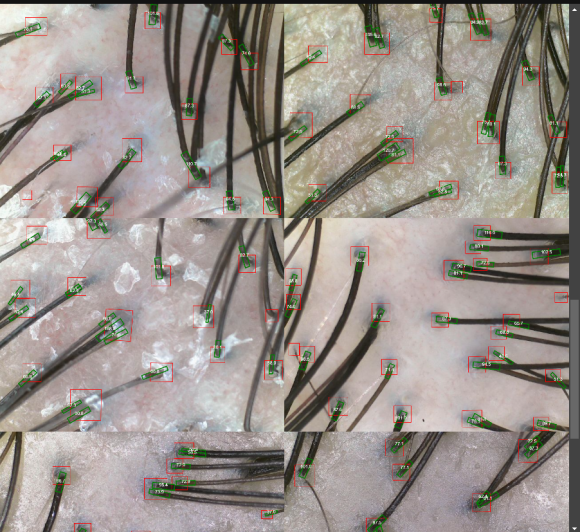
Even if you wash your hair thoroughly, your scalp quickly becomes oily and itchy,
and if you keep scratching it, the scalp may sting and turn red.
Many people are troubled by these symptoms.
In particular, if flaking (dandruff) becomes severe or inflammation is accompanied, there is a high chance it is seborrheic dermatitis of the scalp.
But there is no need to be worried unconditionally.
If you identify the cause accurately and manage it with the right method, symptoms can be relieved.
In this article, we will look in detail at the causes and management methods of seborrheic dermatitis of the scalp.
What Is Seborrheic Dermatitis of the Scalp?
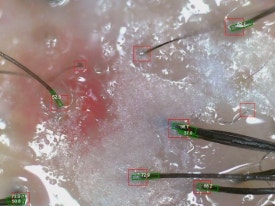
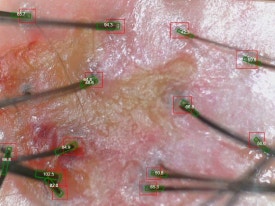
Seborrheic dermatitis of the scalp is one of the inflammatory skin conditions, and it is characterized by redness of the scalp, lots of flaking, and accompanying itching.
In severe cases, it can lead to hair loss, so consistent care is important.
Causes
-
Damage to the skin barrier – When the barrier that protects the skin becomes weakened, the scalp is easily irritated and inflammation develops.
-
Overgrowth of Malassezia fungus – When the fungus naturally present on the skin overgrows, it can cause inflammation and itching.
-
Excess sebum secretion – When sebum increases, Malassezia fungus can multiply more easily, and the inflammatory response can become more severe.
-
Stress & weakened immunity – When immunity drops due to stress, fatigue, lack of sleep, and similar factors, symptoms can worsen.
-
Genetic factors – If there is a family history, the likelihood of developing seborrheic dermatitis is higher.
Symptoms of Seborrheic Dermatitis of the Scalp
• The scalp becomes itchy and red.
• White dandruff or yellow, oily dandruff appears.
• The scalp looks dry or, on the contrary, oily.
• In severe cases, the scalp may sting or feel warm.
• If inflammation is severe, hair may also fall out.
Treatment Methods
- Establish a Shampoo Routine
The most important thing in treating seborrheic dermatitis is using shampoo correctly.
It is not simply solved by washing your hair more often; it is important to use a shampoo that matches your symptoms in the proper way.
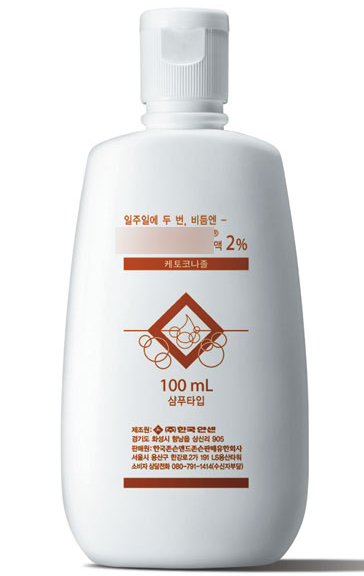
Source - Sports Hankook
Mon/Wed/Fri (antifungal shampoo) – To reduce Malassezia fungus,
use a shampoo containing antifungal ingredients (ketoconazole, piroctone olamine).
Tue/Thu/Sat (mild moisturizing shampoo) – To protect the scalp barrier,
use a low-irritation shampoo (for example, one containing ceramides or panthenol).
Sunday (steroid shampoo, if needed) – If inflammation is severe,
use a steroid shampoo once a week with a doctor's prescription.
Shampooing Tips
-
Rinse thoroughly with lukewarm water – Avoid hot water.
-
Lather the shampoo well and leave it on for 2–3 minutes – This gives the active ingredients time to be absorbed by the scalp.
-
Massage gently with your fingers instead of your nails – Scratching with your nails can worsen inflammation.
Scalp Moisturizing Care
A scalp with seborrheic dermatitis has weakened barrier function, so moisturizing is essential.
But many people worry, "Won't applying moisturizer to the scalp make it greasy?"
However, if you use the right products, there is no problem.
-
Polidocanol ingredient – Helps reduce itching and soothe the scalp.
-
Urea cream – Has an exfoliating effect, and when used at 10% or lower, moisturizing benefits can also be expected.
How to Apply Moisturizer
-
Use it in the evening after shampooing and once the scalp is completely dry
-
Part the hair, apply a small amount of cream, and massage with your fingers
-
Use consistently once a day
Improving Diet and Lifestyle Habits
-
Reduce oily foods – Cut back on high-fat, high-sugar foods that increase sebum secretion.
-
Manage stress – It is important to reduce stress through enough sleep and meditation.
-
Healthy scalp habits – Be careful not to dry your hair with excessively hot air, and avoid scratching the scalp too forcefully.
Can You Treat Hair Loss While Having Seborrheic Dermatitis?
Many people wonder whether seborrheic dermatitis and hair loss are related.
In fact, if seborrheic dermatitis is severe, scalp inflammation can damage hair follicles and worsen hair loss.
Therefore, recovering scalp health first can be said to be the first step in hair loss treatment.
For those with seborrheic dermatitis, it is important to improve the scalp condition first before hair loss treatment,
and to establish a treatment plan that includes the process of reducing inflammation.
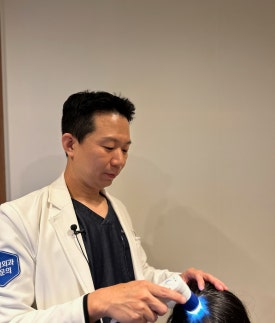

Seborrheic dermatitis of the scalp is a condition that requires consistent care, but it can be sufficiently relieved through proper shampoo use, appropriate moisturizing care, and lifestyle improvements.
Do not forget that consistent management is the most important thing.
Now it is time for hairhair, Kim Jino.
To produce new hair.
[This post is written directly by the director for information-sharing purposes in accordance with Article 56, Paragraph 1 of the Medical Service Act. Hair loss surgery and treatment may have side effects, and they should be decided carefully through consultation with a specialist.]