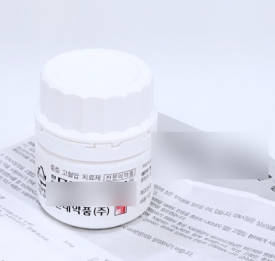
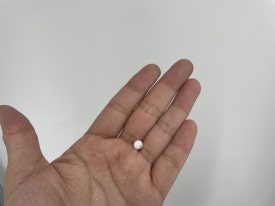
Recently, "oral minoxidil" has emerged as a hot topic in hair loss treatment.
Minoxidil was originally developed as a blood pressure medication, but it was later found to have a hair-growth effect as an unexpected side effect, and it began to be used as a hair loss treatment.
While topical minoxidil has been widely used for years, there is now growing opinion that oral minoxidil is more practical and effective.
In this post, I’ll explain the effects, side effects, and safety of oral minoxidil in an easy-to-understand way.
Why is oral minoxidil getting attention?
The reason oral minoxidil is drawing attention is simple: it is convenient, effective, and its side effects can be managed.
- Limitations of existing hair loss treatments
The hair loss medications most commonly used, finasteride and dutasteride, work by regulating male hormones to suppress hair loss.
However, studies have shown that these medications may have side effects such as reduced sexual function at a rate 1.57 times higher than in people who do not take the drug.
For those who feel burdened by such side effects, oral minoxidil is emerging as a new alternative.
- The inconvenience of topical minoxidil
Topical minoxidil is a treatment with proven effectiveness, but it is cumbersome to use.
It must be applied twice a day and left to dry, and it can also affect hairstyling.
The bigger issue is that it is difficult to use consistently.
According to an actual study, only 15.5% of people continued using it consistently for more than six months.
In other words, many people stop using it midway.
- How effective is oral minoxidil?
So, how effective is oral minoxidil?
Several research findings have reported that it may be similar to topical minoxidil in effectiveness, or possibly even better.
Academic papers say there is no difference in efficacy, but doctors using it in real clinical settings feel that oral minoxidil is more effective.
The reason is simple: patients are far more likely to take it consistently.
Oral minoxidil: are there side effects?
All medications can have side effects. Oral minoxidil is no exception.
However, most side effects are not serious or are manageable.
- The most common side effect: increased body hair (hypertrichosis)
When taking oral minoxidil, body hair may grow not only in areas affected by hair loss but also in other parts of the body.
In particular, hair may become more noticeable on the arms, legs, and around the forehead.
But this can be managed to some extent by adjusting the dosage.
- Edema (fluid retention) and increased heart rate (tachycardia)
Because minoxidil was originally developed as a vasodilator, side effects such as edema (swelling) or increased heart rate can sometimes occur.
However, at low doses, these side effects are reported to be absent or only mild.
- Side effects related to heart health
Since oral minoxidil was originally a medication for high blood pressure, there were concerns that it could place a burden on the heart.
However, recent studies have not reported serious cardiac side effects at low doses (2.5 mg or less).
That said, people with heart disease must consult a doctor before taking it.
Shedding and long-term use
Shedding (early hair shedding) can occur with oral minoxidil, just as it can with topical minoxidil.
However, there is not enough evidence to say that oral minoxidil causes it more often.
There is also a common belief that people who shed more are more likely to respond well, but this is not true.
The effectiveness of hair loss medications varies depending on individual enzyme activity, so it is unrelated to whether shedding occurs.
There is not enough clear research on long-term use, but there is no evidence medically that long-term use is impossible.
According to cardiology specialists, the risk of cardiovascular side effects at low doses of 2.5 mg or less is considered to be very low.
Who is oral minoxidil recommended for?
- People who feel burdened by taking finasteride or dutasteride
- People who find topical minoxidil inconvenient and have difficulty using it consistently
- People whose hair loss is progressing quickly or who want to maximize treatment effectiveness
- People considering combination treatment with existing medications
Possibility of official approval for oral minoxidil
At present, oral minoxidil is not officially approved as a hair loss treatment.
However, its effectiveness and safety have been supported by multiple studies, and doctors abroad are actively prescribing it.
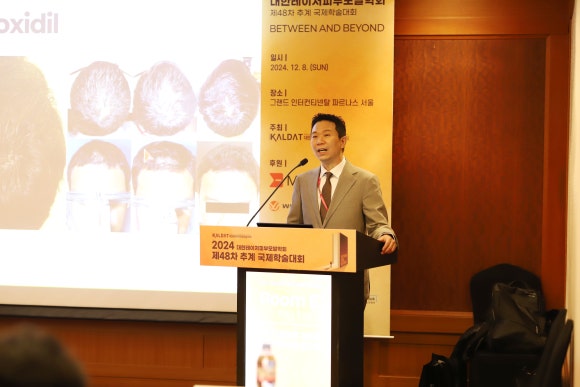
In a study published recently in JAMA Dermatology, 97.7% of the expert group agreed that oral minoxidil can be used for hair loss treatment.
There are also efforts underway in Korea to pursue official approval of oral minoxidil.
Ensuring safety through clinical research will be an important task.
Just as Korea became the first country in the world to approve dutasteride for hair loss treatment, oral minoxidil may also be approved first in Korea.
Conclusion
Oral minoxidil is attracting attention as a new option that can address the limitations of existing hair loss treatments.
In particular, many doctors are interested in it because it is easy to take, its effectiveness is better than expected, and its side effects can be managed.
However, because every treatment can vary from person to person, if you are considering taking it, it is important to consult a specialist and determine the dosage that is right for you.
Now it’s time to grow hair, Kim Jin-oh.
Filsaengsinmo (必生新毛).
[This post is written directly by the director for the purpose of providing information in accordance with Article 56, Paragraph 1 of the Medical Service Act. Hair loss surgery and treatment may have side effects, so please make a careful decision through consultation with a specialist.]