

Source - bntnews
Park Myung-soo made headlines on Radio Show by asking Elon Musk to develop a hair-loss medication.
He joked, saying, "Elon Musk has an excellent ability to foresee the future, but isn’t he interested in hair-loss medication?" and expressed hope for hair-loss treatment.
But did you know that Elon Musk actually had hair loss?
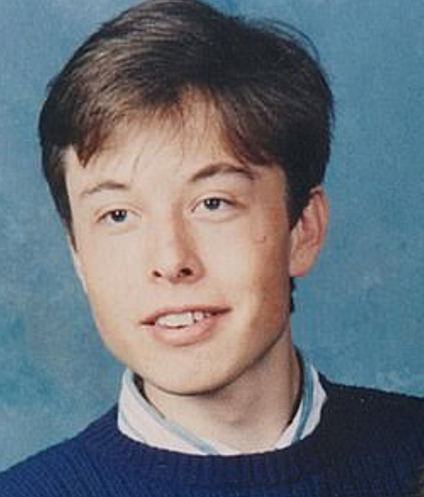
Elon Musk in his teens
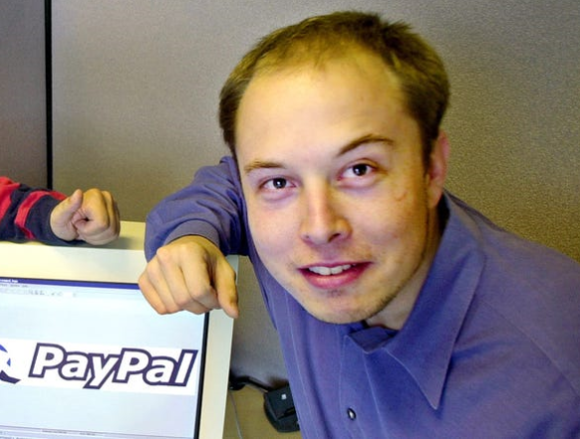
Elon Musk in his 20s, when he founded PayPal
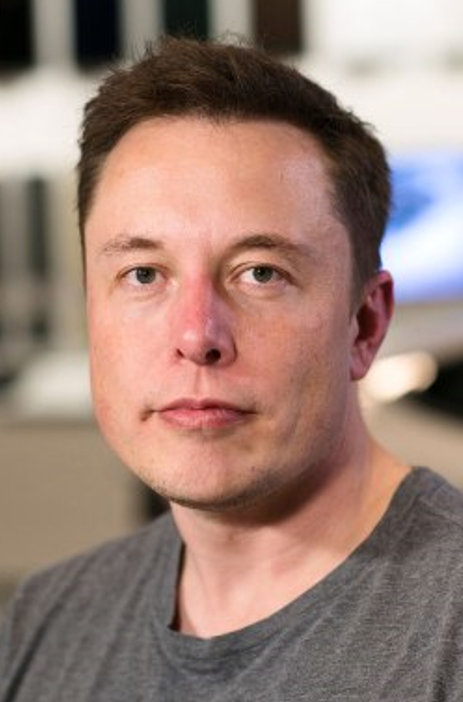
Elon Musk in his 40s
In his 20s, he showed typical symptoms of male pattern hair loss (androgenetic alopecia).
His thinning hair and receding hairline changed dramatically over time.
In photos taken after 2018, he is known overseas as one of the people who overcame hair loss, boasting thick, abundant hair.
Let's think about the treatments Elon Musk is believed to have undergone.
- Hair transplant
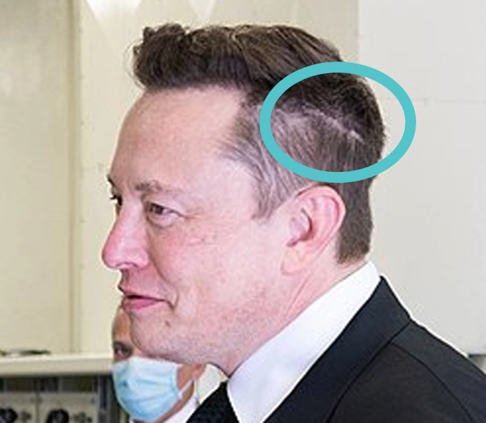
One piece of evidence supporting the claim that Elon Musk had a hair transplant to overcome hair loss is his photos after 2018.
Linear scars can be seen on his scalp.
In particular, the second photo appears to show two lines, suggesting that he may have undergone hair transplantation at least twice.
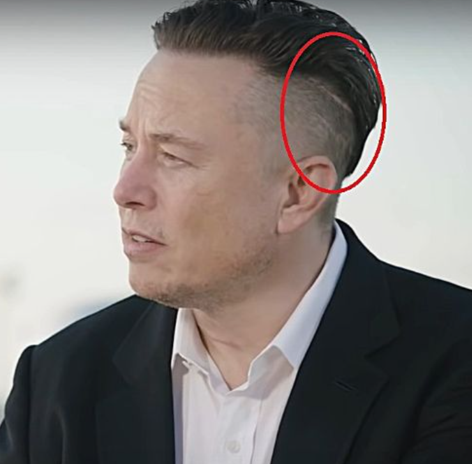
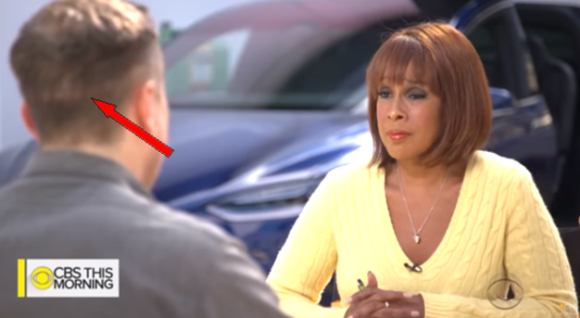
The linear scars on the scalp visible in these photos are a common feature of strip hair transplant surgery.
Strip hair transplantation involves making an incision in a certain area of the scalp, extracting follicles, and then transplanting them to the hair-loss area. These scars are usually not visible with a regular hairstyle, but
if the hair is cut very short enough for the scalp to show, they can appear as lines like this.
There is also a possibility that he had a non-shaven hair transplant.
It is highly likely that, besides a hair transplant, another treatment also played a combined role in Elon Musk’s recovery from hair loss.
Since Elon Musk cares about his appearance enough to have had a hair transplant, it seems even less likely that he did not undergo any other treatment.
- Medication treatment – minoxidil and finasteride
It seems likely that he may have been undergoing medication treatment to suppress the progression of hair loss.
If he had that level of hair loss in his 20s, it would likely have progressed to severe hair loss if left untreated, and it would be difficult to cover with a hair transplant alone.
• Minoxidil: originally developed as a treatment for high blood pressure, but after a side effect of hair growth was discovered, it is used as a hair-loss treatment.
It promotes hair growth by improving blood flow to the scalp.
• Finasteride: a 5α-reductase inhibitor that reduces DHT hormone production and has the effect of slowing the progression of hair loss.
These two drugs can provide even more effective hair-loss treatment when used together with hair transplantation.
- Maintenance treatments
It would seem even stranger for a billionaire like Elon Musk not to pursue other treatments.
It is presumed that he may be receiving the latest treatments that help hair growth.
• Platelet-rich plasma (PRP) therapy
• Growth factor treatments such as follicle injections
- Lifestyle management
Hair loss can be affected by stress and lifestyle habits, but Elon Musk’s hair loss was male pattern hair loss caused by genetic factors, so it would have been difficult to overcome through natural recovery alone.
He is likely maintaining stress management and diet management consistently.
I have mentioned many times that a low-fat, high-protein diet can help with hair loss.
Elon Musk has applied an innovative approach to personal grooming as much as he has to his business vision.
His once hair-loss-worried appearance has dramatically improved through various treatments such as hair transplantation and medication, and he now shows a transformed look with abundant hair.
When we see cases like Elon Musk’s changing hairline, interest in hair-loss management increases.
However, treatment methods may differ depending on each person’s condition.
Now it’s time to hairhair, Kim Jin-oh.
Pilsaengsinmo (必生新毛).
[In accordance with Article 56, Paragraph 1 of the Medical Service Act, this post is written directly by a plastic surgery specialist for informational purposes. Hair-loss surgery and treatment may have side effects, and you should make a careful decision through consultation with a specialist.]