Hair is something we usually don’t pay attention to, until one day it suddenly stands out. We only realize its presence after it starts falling out.
It is not simply a matter of “hair,” but an area of emotion.
I never expected my life to take this direction.
When I was in medical school, my dream was to become a surgeon who performed major operations.
An emergency operating room, hands that save lives, like the protagonist in a drama.
But as time passed, another path opened up.
What I became focused on was a rather small and easily overlooked area: hair.
The question of “Why hair transplant, of all things?”
After majoring in plastic surgery, people around me often asked,
“Why hair, not the face?”
My answer to that question was always the same.
“Because even though it’s small, it can change a person’s life.”
That conviction grew stronger through experience.
One day during medical school training, a young patient stood in front of a mirror, let out a deep sigh, and said cautiously,
“My hair has been getting thinner lately... Is it just my imagination?”
He was hurt by jokes from his friends, and what he was going through was not just about appearance, but a crack in his self-esteem.
At that moment, I realized that hair loss is not simply a “change in appearance,” but a change in identity accompanied by shrinking confidence and anxiety.
During my internship, a patient who was about to start chemotherapy said to me,
“When I look in the mirror... it feels like I’m disappearing as my hair falls out.”
That short sentence left a deep impression on me.
That was when I first learned that hair is not just a part of the body, but an extension of a patient’s sense of presence and self-awareness.
From that day on, I resolved to be not just a “good technician,” but a “good listener and companion.”
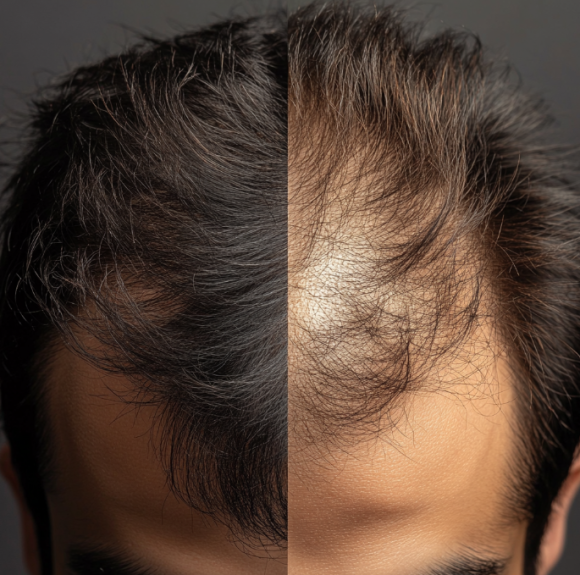
There is another unforgettable patient. He was a man in his 30s who was torn between wearing a wig and getting a hair transplant.
He said that at a company dinner, a friend tapped him on the head, and the wig flew off.
“I became afraid of standing in front of people again.”
He said it with a smile, but behind those words were broken confidence and the discomfort of everyday life.
In the end, he chose a hair transplant, and when we met again a few months later, his face had changed.
What was even more impressive than the hair that had grown back was the look in his eyes, which he had regained.
The people I met through hair transplantation all wanted to regain their hair for their own reasons.
A young man preparing for his first blind date, an office worker getting ready for a promotion presentation, and even a groom-to-be before his wedding.
To them, hair was not just about appearance, but a symbol of “courage” and “a new beginning.”
Listening to those stories changed me as well.
Looking back, this path was not simply medical care, but accompanying someone on their journey.
From the hair that fell out to the moment it began to grow back again, I have been there through all of it.
For the patient, it was the beginning of change; for me, it was a process of adding meaning to life.
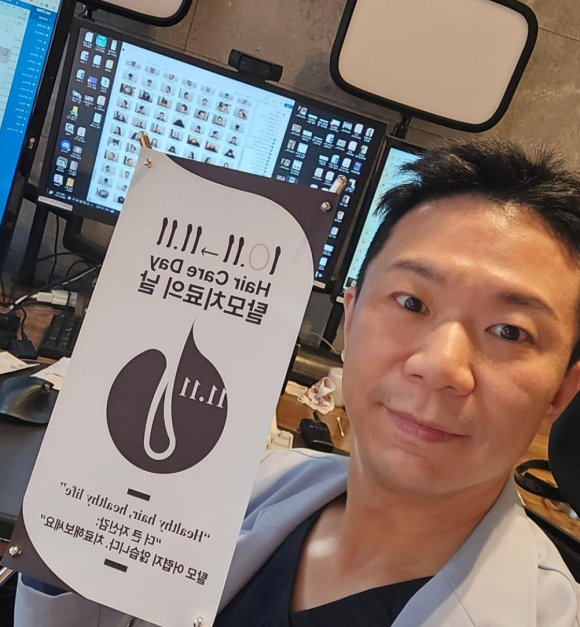
So even today, I transplant hair. And I can only hope
that along with that hair, their lives will grow again as well.