AI-translated archive post

Academic English #23. very

New Hair Institute · 김진오의 뉴헤어 프로젝트 · May 23, 2025

‘very’ is often used not only to mean ‘very,’ but also to mean ‘right that ~,’ ‘exactly that ~,’ or ‘precisely that ~.’ In particular, expressions like the very beginning, the very...

AI translation notice

This page is an English translation of a Korean Naver Blog archive entry. For exact wording and source context, verify against the Korean archive original and the original Naver post.

Clinic: New Hair Institute

Original post date: May 23, 2025

Translated at: April 29, 2026 at 2:33 PM

Medical note: This translation does not guarantee medical accuracy or suitability for treatment decisions.
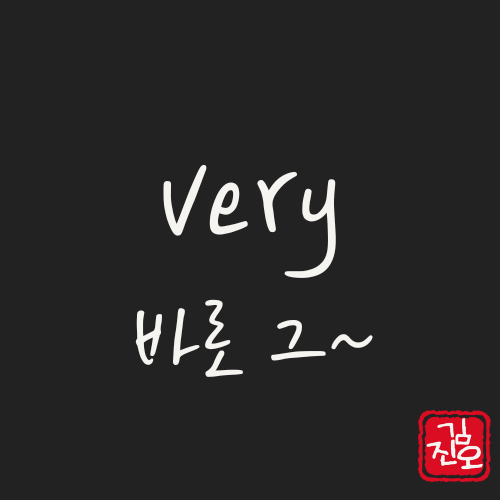
‘very’ is often used not only to mean ‘very,’ but also to mean ‘right that ~,’ ‘exactly that ~,’ or ‘precisely that ~.’

In particular, expressions like the very beginning, the very end, and the very next day are used very often even in academic presentations and formal settings, and they are effective for conveying clear emphasis and timing to the audience.

Academic English #23. very image 1

5 example sentences

  1. The study had issues from the very beginning.

  2. That was the very last day we ever met.

  3. The paper was retracted the very next day after the presentation.

  4. The very sentence reveals the core of the result.

  5. At the very moment, I knew the experiment had worked.

Continue browsing

Keep exploring this clinic's public source trail

Return to the source archive for more translated posts, or open the Korean clinic profile to compare other public channels.