Have you thought that the reason hair becomes thinner and falls out after menopause is simply the decrease in female hormones (estrogen)?
According to recent studies, hair loss is closely related not only to hormonal changes, but also to the body’s
energy production system, the mitochondria, as well as sleep quality.
- Is it only a hormone issue?
When women enter menopause, the level of female hormones (estrogen) drops sharply.
This change can be an important cause of hair loss, but it is not something all women experience in the same way.
Why do some women have almost no hair loss, while others experience a noticeable decrease in hair volume?
The key lies in the mitochondria, the energy factory inside hair follicles.
- Mitochondria, the engine that grows hair

Hair follicle cells require a great deal of energy to produce hair.
The organelle that creates this energy is the mitochondria.
However, when female hormones decrease after menopause, the following changes can occur.
-
Mitochondrial function declines, so it cannot supply enough energy.
-
As a result, hair follicle cells weaken and their rate of division slows down.
-
In addition, mitochondria with reduced function produce excessive reactive oxygen species (substances that damage cells), which can injure hair follicles.
In the end, a combination of energy shortage and cellular damage can lead to hair loss.
- How lack of sleep affects hair
About half of women going through menopause experience sleep disorders.
But lack of sleep causes more than just fatigue.
-
Sleep deprivation raises levels of the stress hormone (cortisol), suppressing cellular activity in hair follicles.
-
Melatonin, which is secreted at night, helps prevent hair from falling out, but poor sleep also reduces its secretion.
In other words, irregular or insufficient sleep can undermine the very environment in which hair can grow.
- Hair loss prevention strategies you can practice in daily life
| Goal | How to practice |
|---|
| Activate mitochondria | Aerobic exercise, vitamin B complex, coenzyme Q10 intake, regular sleep habits |
| Improve sleep quality | Go to bed and wake up at consistent times, reduce smartphone use, get morning sunlight |
| Relieve stress | Calm your mind through meditation, deep breathing, warm baths, and more |
| Supplement melatonin | If needed, take a melatonin supplement (after consulting a specialist) |
How Decreased Female Hormones Affect Hair (Menopausal Hair Loss)
Conclusion
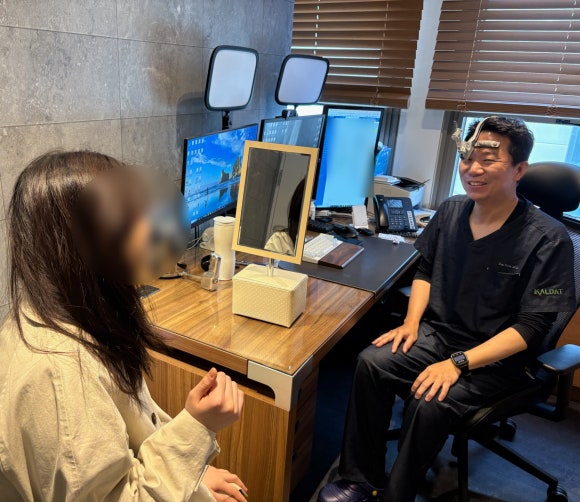
Menopausal hair loss is not fully explained by a simple decrease in female hormones alone.
To understand and respond more accurately, it is also necessary to consider hidden factors such as the body’s energy production and sleep quality.
If you have recently felt that your hair volume is decreasing, I recommend checking not only for hormone issues but also the condition of your body’s energy and the quality of your sleep.
It’s time for hairhair, this was Kim Jino.
Pilsaengsinmo (必生新毛).
[This post is written directly by a board-certified plastic surgeon for informational purposes in accordance with Article 56, Paragraph 1 of the Medical Service Act. Hair loss surgery and treatment may have side effects, so please make a careful decision after consulting with a specialist.]