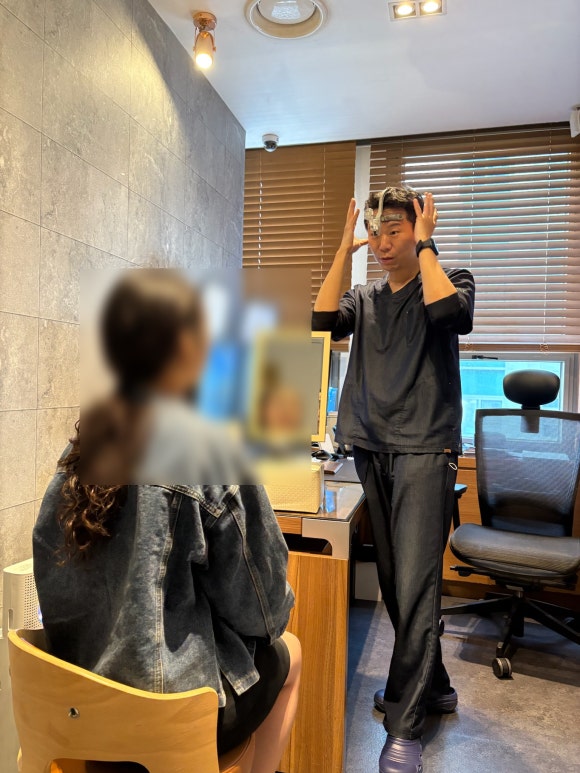
When treating hair loss, patients often look closely at my hair and ask me this:
“Doctor, do you take hair loss medication too?”
I’m sure you’re wondering why I would take it if I’m not even bald, and whether it actually helps.
To get straight to the point, I do take hair loss medication.
And that decision changed how I approach hair loss management.
The reason I decided to take hair loss medication
I’m often told that I don’t seem to have hair loss on the outside,
but that’s because I started managing it before it became more noticeable.
I had genetic risk factors for hair loss,
and in particular, I noticed changes such as a gradually deepening M-shaped hairline and reduced crown density.
Those who have had the same experience will understand.
Even before obvious changes appear, there are clear warning signs.
As a doctor who recommends treatment to patients,
after all, recommending it without having taken it myself felt irresponsible,
and that was why I started taking it.
Changes observed after taking it
- A sense of stability in hair condition when washing
After shampooing, it felt like less hair was falling out than before.
This is also a change that some patients describe.
- Changes in the appearance of the crown area
When comparing photos, it felt like there was less shine and less scalp showing than before.
I interpret this as possibly a result of the slowing of the progression toward finer hair.
- Emotional stability regarding hair loss
Rather than helplessness, I gained a sense of psychological stability from feeling that I was “taking action.”
This was a meaningful change not only as a patient, but also as a medical professional.
- What I felt about side effects
At the beginning of taking it, I felt like my libido had temporarily decreased,
but over time it became something I did not worry about much.
Medically, side effects from this medication are not usually persistent,
and I came to feel that vague anxiety can have a greater psychological effect.
Taking it is a choice
Hair loss medication is not a one-size-fits-all solution for everyone.
However, it is a scientifically supported treatment for slowing the progression of hereditary hair loss.
I, too, am watching the course of my hair loss by responding before it becomes clearly visible.
In closing
I hope the fact that I take it myself can build a little trust with patients.
Hair loss is not just a change in appearance; it is also connected to quality of life and confidence.
Because this is the reality I face every day in the clinic,
I, too, am spending today’s fight against hair loss one pill at a time.
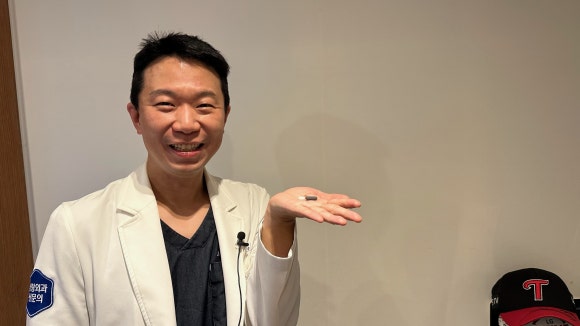
Now it’s time for hair to grow again, this was Kim Jino.
May new hair be born (必生新毛).
[This post was written directly by a board-certified plastic surgeon for informational purposes in accordance with Article 56, Paragraph 1 of the Medical Service Act. Hair loss surgery and treatment may have side effects, and you should make a careful decision through consultation with a specialist.]