Most hair loss, especially androgenetic alopecia (AGA), occurs because of follicular miniaturization, in which the follicle, the root tissue that produces hair, gradually becomes smaller.
This phenomenon cannot be explained simply by genetics or the influence of male hormones (DHT).
Recently, attention has shifted to the complex network of cellular signals that regulate hair growth and shedding.
When these signals malfunction, follicle cells cannot function properly, and the hair becomes thinner, falls out, and becomes harder to recover.
Five Key Signals That Regulate Hair

Hair grows under the coordination of various cellular signals, much like a delicate orchestra. The five main signals are as follows.
- Wnt/β-catenin (Wnt/Beta-catenin pathway)
This is a growth-initiating signal that awakens follicle cells and induces division.
When Wnt is activated, new follicle cells are formed and hair growth begins. Molecules such as Wnt10b and Wnt1a play especially important roles, and
Drugs such as valproic acid and CHIR99021 stimulate this pathway.
However, excessive activation can promote cancer cell growth, so precise control is necessary.
- Shh (Sonic Hedgehog, Sonic Hedgehog pathway)
This is a growth-promoting signal that helps form hair follicles and enter the anagen phase.
Shh originates in the follicle's "dermal papilla" and also plays a key role in generating new follicles during wound healing.
It is closely related to LGR5+ and Gli1+ cells.
- Notch (Notch pathway)
It helps prevent excessive cell depletion and regulates differentiation so that it occurs only at the proper time.
It functions through contact between neighboring cells and also interacts organically with the Wnt, BMP, and Shh pathways.
When this balance is disrupted, the regenerative ability of the follicle also declines.
- BMP (Bone Morphogenetic Protein)
This is an inhibitory signal that keeps follicle cells in the resting phase (telogen).
If this signal is excessive, hair will not grow; conversely, if it is suppressed, it can induce the growth phase.
BMP inhibitors such as Noggin and Gremlin regulate this balance.
- AKT / MAPK pathway
This is a key pathway involved in stem cell survival, recovery, and differentiation.
In response to growth factors such as IGF and EGF, it helps stem cells survive longer and divide when needed to create new hair.
MAPK is especially important for follicle cell differentiation and is also deeply involved in follicle regeneration during wound healing.
These five pathways interact closely with one another, and regulating only a single pathway is unlikely to produce sufficient results.
A complex and precise treatment strategy is needed.
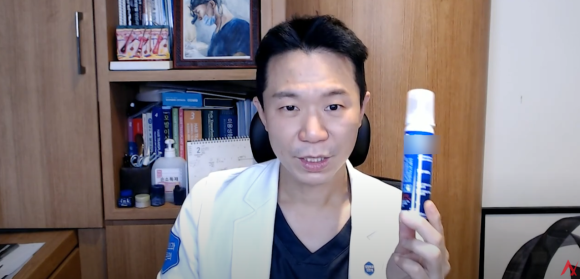
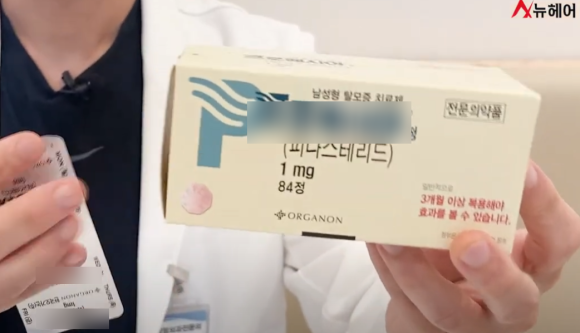
Existing hair loss treatments have mainly focused on relieving symptoms.
For example, minoxidil increases blood flow and induces temporary hair growth, and
finasteride slows follicular miniaturization by suppressing DHT.
But now, treatments that go one step further by awakening stem cells and precisely controlling cellular signals are drawing attention.
New Approaches
-
Activating the Wnt pathway: valproic acid, CHIR99021, etc.
-
BMP inhibition: antagonists such as Noggin and Gremlin
-
Use of Shh stimulators: induce follicle recovery and regeneration
-
Cell transplantation + tissue engineering + gene editing (CRISPR)
These treatments can be combined with existing medications or hair transplantation to 기대 보다 more fundamental and lasting effects.
Limitations and Considerations of Treatment
-
Since excessive regulation of cellular signals may induce tumors, safety is important.
-
Many treatments have not yet been clinically established, so careful application is necessary.
-
Because treatment responses differ depending on each person's genetic information and pathophysiology, precise diagnosis and a personalized approach are important.
Signals That Show Your Hair Condition Is Changing
Conclusion
Future hair loss treatment will aim to regenerate follicles and restore function.
To achieve this, the following are needed:
-
Genome-based diagnosis
-
Integration of regenerative medicine technologies (stem cells, exosomes, tissue engineering, etc.)
-
Personalized precision treatment strategies
An integrated approach that combines these elements is necessary.
In addition, collaboration among various fields such as dermatology, endocrinology, and genetics is required, and
it will evolve into treatment that goes beyond simply restoring hair and improves quality of life.
It is no longer true to say, "Hair loss is genetic, so there is nothing you can do about it."
Research to restore hair is actively underway around the world even now, and we expect that the future in which hair grows again will soon arrive.
Now it is time for hair to grow again, this was Kim Jin-oh.
Filsaengsinmo (必生新毛).
References
Bellani, D., Patil, R., Prabhughate, A., Shahare, R., Gold, M., Kapoor, R. and Shome, D., 2025. Pathophysiological mechanisms of hair follicle regeneration and potential therapeutic strategies. Stem Cell Research & Therapy, 16(302).
Available at: https://doi.org/10.1186/s13287-025-04420-4
[This post was written directly by a board-certified plastic surgeon for informational purposes in accordance with Article 56, Paragraph 1 of the Medical Service Act. Hair loss surgery and treatment may have side effects, so please make a careful decision after consulting with a specialist.]