Hair loss can appear in various forms, and among them, hair loss around the hairline is often where many people notice visible changes.
As the boundary between the forehead and the hairline moves back, the overall impression can change,
which is why changes in this area often become a concern for many people.
Recently, more people have been choosing scalp micropigmentation as a way to ease these concerns.
In particular, when someone feels burdened by hair transplantation or the procedure is difficult,
scalp micropigmentation can be an alternative.
Key points to consider when thinking about scalp micropigmentation
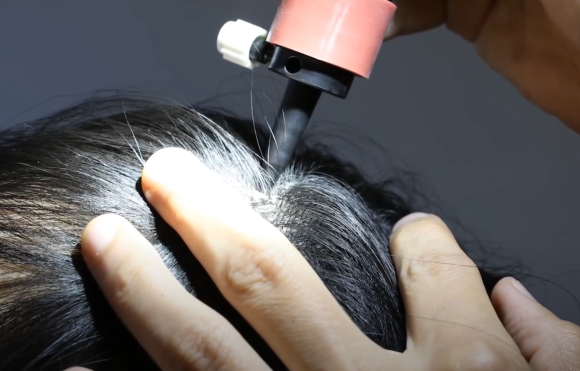
Scalp micropigmentation is more than simply filling in pigment; an overall plan that takes future hair loss progression into account is important.
This is because if pigment is applied to an area where hair loss is still progressing and the surrounding hair later falls out further, the tattooed area may end up standing alone and looking unnatural.
In addition, scalp micropigmentation can look more natural when the hair is kept short, so it is a good idea to consider how it will work with your hairstyle as well.
Main reasons why hairline correction may be needed
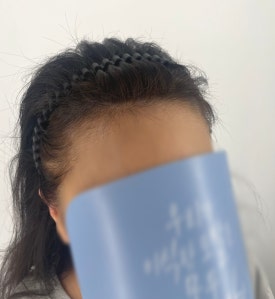
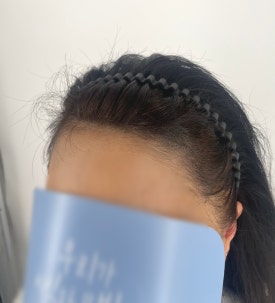
- Receding hairline
As the hairline gradually moves back and the forehead appears wider, it can give the outward impression
of looking older than your actual age.
This can lead to reduced confidence or concerns about changes in appearance.
- Asymmetrical hairline
If the hairline is naturally asymmetrical or excessively high or low,
it can affect the balance of the entire face.
In such cases, smoothing the line through scalp micropigmentation may also be considered.
- Aesthetic improvement
Recently, some people have chosen scalp micropigmentation not only to compensate for hair loss, but also to aesthetically improve the forehead line.
A rounded and soft hairline shape may help increase satisfaction with one’s appearance.
Treatment planning and aftercare process based on scalp characteristics
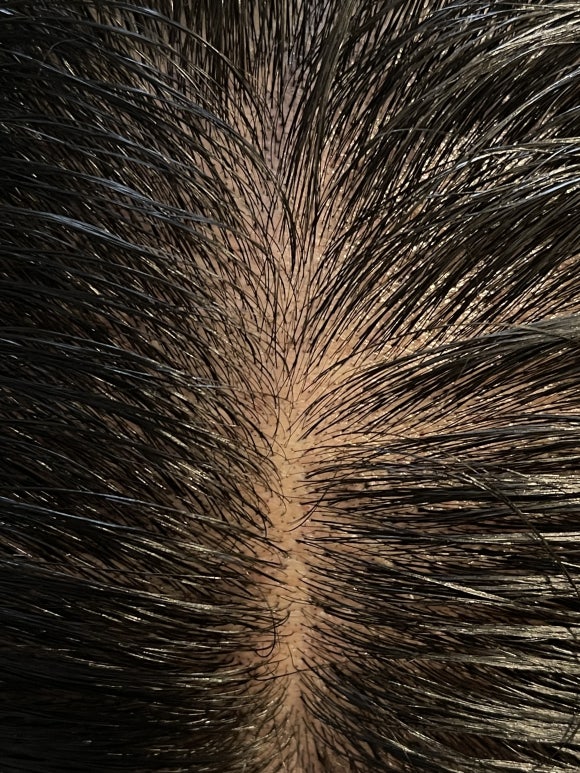
- Personalized treatment plan
Just as each person has different facial features, the condition of the scalp, as well as hair thickness, density, and color, all vary.
Before the procedure, it is necessary to check the individual’s scalp characteristics and hair pattern through a test, and then establish the treatment direction based on those results.
During the procedure, hair thickness, density, and pattern should be taken into account,
and the pigment concentration and dot size should be adjusted to match the individual’s characteristics,
with an emphasis on expressing the result as naturally as possible.
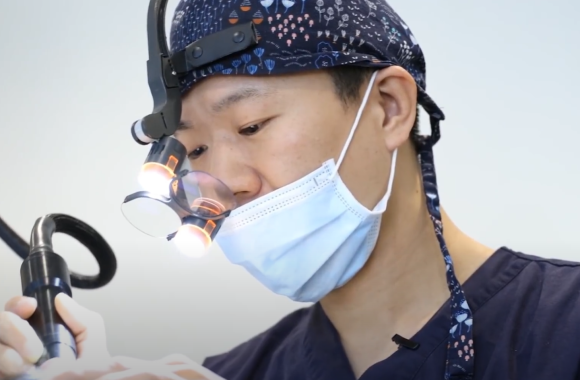
- Scalp micropigmentation program for thorough aftercare
Because there may be slight differences in results depending on scalp characteristics,
check whether progress is monitored for 6 months after the procedure
and whether touch-up procedures are provided to supplement any insufficient areas.
Scalp micropigmentation is a method that can help express a natural-looking hairline through proper planning and a safe procedure.
However, after comprehensively considering whether hair loss is progressing, along with hairstyle and skin condition,
it is essential to first determine through consultation with medical staff whether it is the right method for you.