After undergoing a hair transplant, post-operative care is just as important as the surgical result itself.
For the transplanted hair to settle in healthily, care after surgery plays a major role.
If daily habits and precautions are not properly followed, the transplanted hair may not
settle sufficiently or may be damaged by external irritation,
so post-operative care begins with knowing accurate information and putting it into practice.
In this post, we will look at the key care points that can help with graft survival after a hair transplant,
including self-care in daily life and post-surgery care programs.
Self-Care After a Hair Transplant
- Avoid impact or pressure on the transplanted area
For about 3 to 4 days after surgery, it is best to avoid strong physical stimulation of the transplanted area.
- Refrain from drinking and smoking for a certain period
Since these can affect blood flow and recovery in the transplanted area, it is recommended to avoid them for a period of time.
- Get enough sleep and rest
Excessive fatigue can interfere with recovery, so sufficient sleep and rest are important.
Post-Operative Hair Transplant Care Program
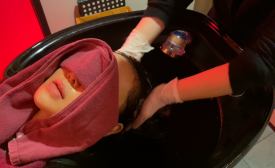
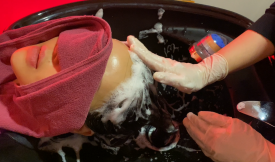
- Shampoo care after a hair transplant
From the day after surgery, it is recommended to use a low-irritation shampoo to maintain hygiene in the transplanted and donor areas.
Gently cleansing with rich foam and minimizing physical irritation can help recovery.
Also, if you understand how to reduce irritation when shampooing on your own, recovery can be safer.
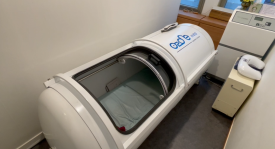
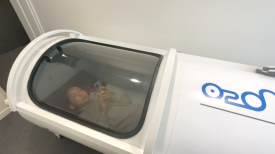
- Hyperbaric oxygen therapy
Intensive hyperbaric oxygen therapy is provided for 3 days after surgery.
Right after transplantation, the follicles are not yet sufficiently connected to blood vessels, and hyperbaric oxygen therapy
is used as one method that may help maintain a stable follicle environment through oxygen supply,
and may help with swelling relief and wound care during the recovery process.
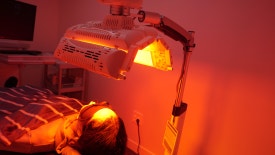
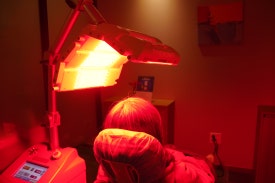
- Low-level laser therapy
In parallel with hyperbaric oxygen therapy, low-level laser therapy is also provided during the initial 3-day recovery period after surgery.
Low-level laser therapy may also be used to support scalp recovery and is intended to improve scalp blood flow and support recovery.
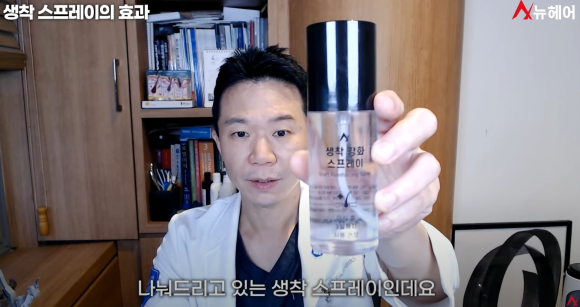
- Graft-survival spray
After surgery, a self-made graft-survival spray is provided.
It can be sprayed directly onto the transplanted area and is used as one of the supplementary care methods that may help with hygiene management of the surgical area and prevention of inflammation.
- Graft-strengthening injection
Before surgery, graft-strengthening injections are used to help keep the scalp in a more stable condition.
They may help control sebum secretion in the scalp and relieve muscle tension,
and are a preoperative preparation step designed to reduce bleeding during transplantation and to have a positive effect on follow-up care.
After a Hair Transplant, Follow-Up Care and Mindset Are Important
Medical staff consultations and follow-up checks
After a hair transplant, regular consultations and follow-up checks are important.
If discomfort or abnormal reactions appear at the surgical site,
it is advisable to consult the medical staff without delay and receive appropriate measures.
A calm approach to recovery
The time it takes for transplanted hair to begin growing in earnest varies from person to person and requires a certain period of time.
In general, growth begins about 3 to 4 months after surgery, and noticeable changes often appear after 6 months.
It is necessary to avoid impatience and maintain steady care with a positive mindset.
A hair transplant is important not only because of the surgery itself, but also because post-operative care is
a factor that can positively affect the overall result.
If daily self-care is combined with a care program guided by the medical staff,
better recovery can be expected.