Recent hair loss treatments have evolved beyond the simple approach of transplanting hair
and are now developing into bio-based therapies that improve the scalp environment itself and induce regeneration of follicle cells.
One such treatment is autologous cell-based hair loss treatment, which uses cells and growth factors derived from the patient’s own healthy follicle tissue.
This procedure is mainly performed by collecting a small amount of healthy follicle tissue from the occipital area,
then extracting the various cells and growth factors contained in it and injecting them back into the hair loss area.
It helps create an environment that may support recovery of scalp tissue and activation of follicle function.
How is the procedure performed?
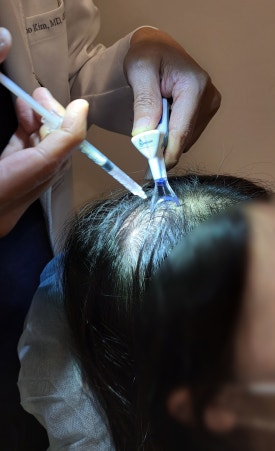
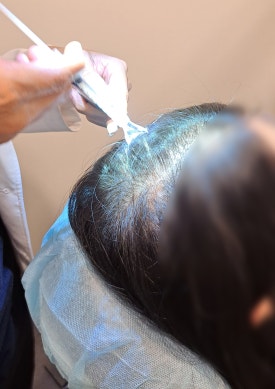
-
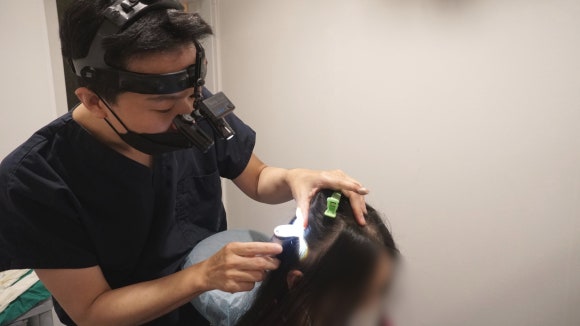
A small amount of healthy follicle tissue is collected from the occipital area.
-
Micro follicle cells and active components are separated using equipment.
-
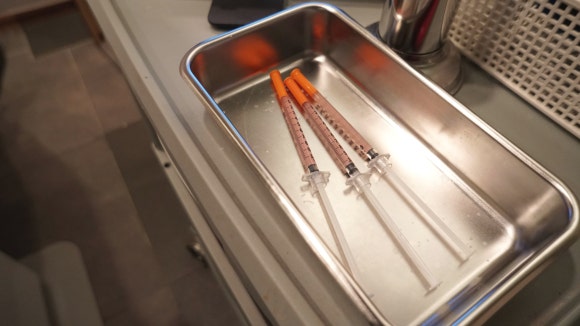
The extracted cells and components are directly injected into the hair loss area.
How is it different from existing hair loss treatments?
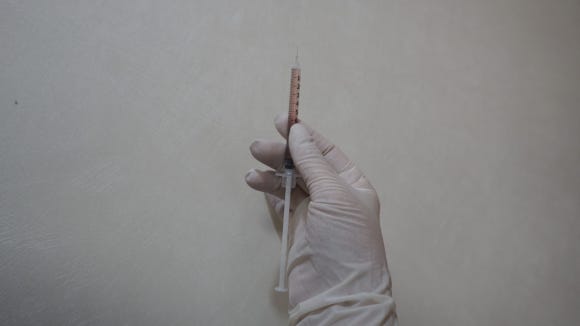
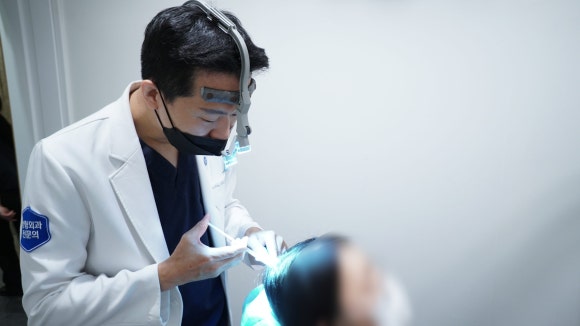
- Minimizes the burden of side effects through a tissue-based approach
This procedure uses autologous cells, so it is known to have a relatively low possibility of allergy or immune reaction compared with donor-derived components.
- Minimizes the burden of incisions
It is not a procedure that requires extensive incisions like hair transplantation, and most of the process other than follicle collection is performed by injection. Depending on the individual’s condition after the procedure, some cases have reported a relatively short recovery period.
- An approach especially effective for early hair loss
It may also be considered for patients with early androgenetic alopecia in whom hair density and thickness are decreasing, or for those who want to prevent hereditary hair loss in advance.
- A procedure focused on tissue regeneration
It is a treatment designed to improve the scalp environment and activate follicle function.
Who may be considered for this treatment?
If you are experiencing changes in which your hair is gradually becoming thinner and less dense
If androgenetic alopecia is suspected, such as male-pattern M-shaped frontal hair loss or female-pattern crown-centered hair loss
If there is a family history of hair loss and you want to respond early or plan a preventive approach
If you feel burdened by incisions, scars, or pain from hair transplant surgery
If you have previously had a hair transplant and aim to improve the engraftment rate and strengthen the retention of transplanted follicles
What changes can you expect?
Hair loss treatment using autologous follicle cells usually shows changes after about 1 to 2 months, and depending on the individual, increases in hair thickness, reduced hair loss, and changes in follicle density may appear between 3 and 6 months.
According to some reports, effects have been maintained for 6 months to more than 1 year.
If necessary, additional procedures may help with stable maintenance.
However, treatment results may vary depending on the individual’s scalp condition, genetic factors, lifestyle, and other factors.
It is not applicable to all types of hair loss, and eligibility for the procedure should be determined after an accurate diagnosis and consultation.
In particular, if you are currently using medication or undergoing other treatments, whether they can be combined must be discussed with the medical staff.