Have you recently felt like your hair is thinning more than usual?
If you have felt anxious while looking at the hairs on your pillow in the morning or the clumps of hair in the shower drain, you may have asked yourself, “Which medication is the most effective?”
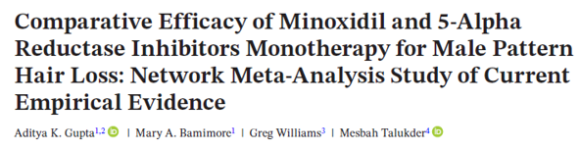
In June 2025, an interesting meta-analysis was published that combined data from 33 studies around the world.
This study compared the effects of monotherapy with three widely used drugs for androgenetic alopecia (AGA): minoxidil, finasteride, and dutasteride, in detail by method of use and dosage.
Which hair loss medication suits you better?
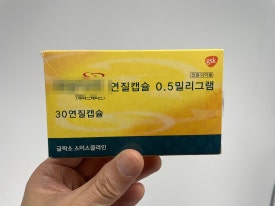
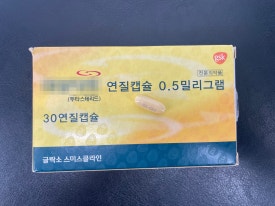
To start with the conclusion, oral dutasteride 0.5 mg showed the best results across all indicators.
With one pill a day taken consistently, it ranked first in hair count, hair thickness, and evaluator ratings.
Next came oral minoxidil 5 mg.
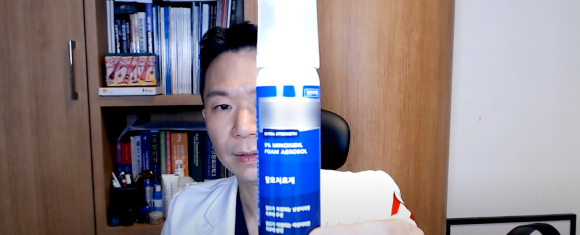
The topical minoxidil 5% that we are already familiar with also showed good results, but oral minoxidil was better than expected.
However, there is a caveat.
Systemic side effects such as hypertrichosis and palpitations were reported relatively more often.
A sublingual tablet of the same dose, which dissolves under the tongue, is a noteworthy alternative because it reduces side effects while maintaining similar effectiveness.
Finasteride, a familiar but still powerful option
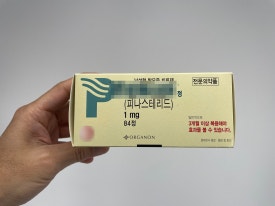
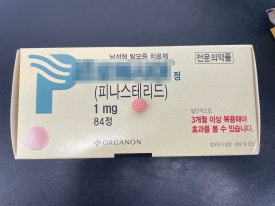
Oral finasteride 1 mg is one of the few hair loss treatments approved by the U.S. FDA, and it showed stable and decent effectiveness.
What is noteworthy is that it showed similar effectiveness to topical finasteride 0.25%.
With low systemic absorption, it is already approved and used in Europe and Korea as an alternative that can reduce the risk of side effects.
Criteria for choosing medication: effectiveness vs. safety
The effectiveness of the medications varied depending on the method of administration and dosage.
In general, oral medications showed the strongest effects, but side effects were also more pronounced.
On the other hand, topical treatments were somewhat less effective, but they had fewer side effects and higher safety.
Where to place this balance will depend on each person’s health condition and lifestyle.
What if you are planning a pregnancy?
In men, finasteride has little effect through semen, so it is relatively safe.
However, dutasteride may reduce sperm count and motility, so if pregnancy is planned, you may want to consider stopping it in advance.
In particular, dutasteride may take up to 6 months to be completely eliminated from the body, so some time is needed.
Which hair loss medication is right for my hair?
In summary
To summarize the study, it can be said that dutasteride 0.5 mg/day is the most effective monotherapy.
However, since it is a prescription medication and may have side effects, you must decide whether to take it only after consulting a specialist.
Other than that,
There are many hair loss treatments available on pharmacy shelves, but finding the one that is “right for me” is another matter.
This study provides scientific evidence and direction for that choice.
At a crossroads with several paths before us, we end up asking again:
“Which medication suits my hair best?”
If you are curious, I recommend taking a closer look at this study.
It is now time for hair to grow, Kim Jin-oh.
Pilsaengsinmo (必生新毛).
[This post was written directly by a board-certified plastic surgeon for informational purposes in accordance with Article 56, Paragraph 1 of the Medical Service Act. Hair loss surgery and treatment may have side effects, so please make your decision carefully after consulting with a specialist.]