Recently, I have been receiving many questions like, “Do you also perform autologous cell injection procedures?”
It may sound difficult and complicated, but autologous cells are actually a biological system that is already naturally working within our bodies and skin.
In this article, let’s take a look at what autologous cell injection therapy is, how it is being used, and why it matters.
What Is Autologous Cell Therapy?
Autologous cell therapy, simply put, is like a “spare part” from our own body.
It has the ability to repair damaged skin or tissue and create new cells.
It can be broadly divided into two types.
-
Exogenous stem cells: a method of injecting autologous cells taken from sources such as fat or blood
-
A method of awakening the autologous cells within the body (Endogenous stem cell): a method of stimulating and activating the autologous tissue that already exists in the skin
How Is Autologous Cell Therapy Used?
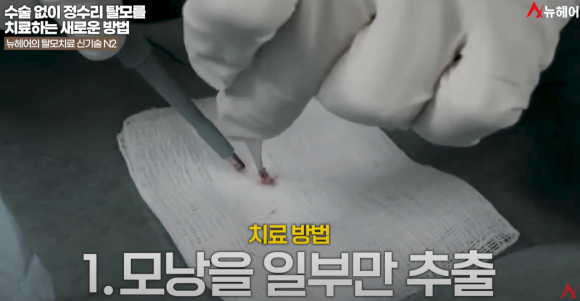
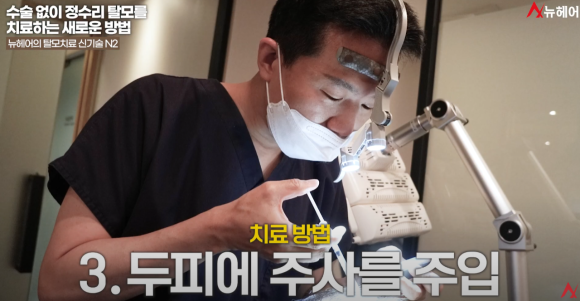
Autologous cell therapy is used in various cosmetic and medical fields.
-
Skin regeneration: increased collagen and elastin production helps the skin become firm and elastic.
-
Wound recovery: it helps speed up the recovery of damaged tissue and reduce scarring.
-
Hair loss treatment: it stimulates the cells in the hair roots, helping hair grow and slowing hair loss.
-
Strengthening natural healing power: autologous cells have a “homing” ability, meaning they find the problematic area on their own and help with recovery.
Fat Cells VS Blood Cells
There are various ways to obtain autologous cells, but they are mainly extracted from fat and blood.
-
Fat-derived cells: there are many cells, and the effects are also good, but the collection process can be cumbersome and burdensome.
-
Blood-derived cells: the procedure is simple and less burdensome, but because the number of cells is small, precise technique is required.
For example, if blood is centrifuged to separate the “buffy coat layer,” a useful cell layer containing cells can be obtained.
In studies where this layer was injected into the skin, positive results such as increased collagen and elastin production and thicker skin were observed.
Technology That Awakens Cells in My Skin
It is not necessary to inject autologous cells from the outside.
Our bodies already contain cells in various areas such as the skin, fat, and hair follicles, and these can be stimulated to induce regeneration.
For example, PDLLA, one of the polymers, stimulates autologous cells in the skin to induce collagen production and improve the tissue environment.
Animal experiments have also confirmed effects such as an increase in autologous cell numbers, thicker skin, and regeneration of elastic fibers.
Can Anyone Receive Autologous Cell Therapy?
Although it is a relatively safe procedure, the following points must be checked carefully.
- Cell culture is restricted: under Korean law, ordinary autologous cell culture for cosmetic purposes is not permitted.
However, according to the "Act on Regenerative Medicine and Advanced Biopharmaceuticals," hospitals or research institutions approved by the government may use cultured autologous cells for treatment purposes.
In general clinics, only collection and simple separation methods are permitted.
- Health status matters: autologous cells are sensitive to their environment.
If your physical condition is poor, they may not survive well, so it is recommended to have the procedure after vitamin supplementation or once your condition has been adjusted.
- Procedure qualifications: the procedure is performed by a doctor or trained nurse, and the effect may vary depending on the interval and number of procedures.
Hair Loss Treatment and Autologous Cell Injection
Autologous cell injections are also drawing attention in hair loss treatment.
As people age, the cells around the hair follicles decrease or lose function.
Injecting cells from the outside or stimulating internal cells with substances such as PDLLA can improve the hair follicle environment and slow the progression of hair loss.
While existing drug treatments focus on hormone regulation, autologous cell therapy is a method that helps the hair roots themselves recover and regenerate.
If hair loss is progressing or in an early stage, autologous cell therapy may be a new alternative.
Conclusion
A Time to Trust Your Body’s Healing Power Again
Autologous cell injection therapy is more than simply improving appearance; it is a method of stimulating the body’s own ability to recover.
The role of autologous tissue in improving skin, scalp, and even overall body health is becoming increasingly important.
Autologous cell therapy is no longer a technology of the distant future, but science that can be applied to our lives now.
However, it needs to be approached with sufficient understanding and in a safe manner.
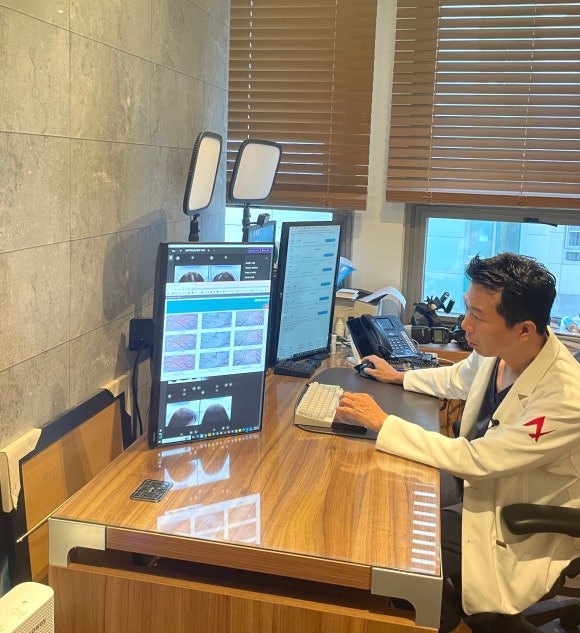
It’s time for hair hair, this is Kim Jino.
필생신모 (必生新毛).
[This post is written directly by a board-certified plastic surgeon for informational purposes in accordance with Article 56, Paragraph 1 of the Medical Service Act. Hair loss surgery and treatment may have side effects, and please make a careful decision after consulting with a specialist.]