Recently, more and more people in their 20s and 30s have been expressing concern about hair loss.
In the past, hair loss was mainly recognized as a problem of middle-aged adults in their 40s and 50s,
but these days, more younger people are becoming aware of hair loss on their own and seeking medical care.
So, is the number of young people with hair loss actually increasing?
Hair Loss in Young People: Has the Number of Patients Really Increased?
In clinical settings, rather than seeing a dramatic increase in the number of young patients,
it may be more accurate to interpret this as more people recognizing hair loss early and seeking consultation.
- Stress and lifestyle changes
As irregular routines, lack of sleep, dieting, and stress from job hunting and studies have increased,
more young people are experiencing telogen effluvium, a condition in which a large amount of hair temporarily falls out.
- Greater access to information
With easy access to information about the causes of hair loss and how to manage it through the internet and social media,
more cases are leading to early consultation and diagnosis.
- The spread of appearance-focused culture
Because of a social atmosphere in which appearance is seen as a form of competitiveness, people are more sensitive than before
to signs of hair loss and more inclined to manage it.
Men and Women Show Different Causes
The causes of reduced hair volume in younger people appear in both men and women,
but the main causes and patterns are somewhat different.
For men – genetic factors are the main cause
The main cause of male pattern hair loss is the hormone DHT, which causes hair follicles to shrink and hair to become thinner.
According to studies, about 80% of men with a genetic predisposition may show signs of hair loss before the age of 30.
Because the speed of progression varies from person to person, early identification is important.
For women – lifestyle and environmental factors carry more weight
In young women, extreme dieting, nutritional deficiencies, stress, and hormonal changes after childbirth are cited as the main causes of hair loss.
In particular, limiting intake to under 1,000 calories a day for dieting or severely cutting out carbohydrates can cause nutritional deficiencies and negatively affect hair growth,
so caution is needed.
Why Is Early Identification Important?
Once hair follicles shrink or disappear, they cannot be restored.
Therefore, the key to hair loss management is to protect hair before it falls out.
- Accurate diagnosis comes first
In younger age groups, it is difficult to distinguish aging, temporary hair loss, and hereditary hair loss on your own.
By identifying the cause through a medical consultation, you can avoid unnecessary medication and find a management method suited to your condition.
- The earlier you manage it, the more options you have
If the symptoms are mild and there are no empty follicles, non-surgical approaches such as lifestyle adjustments, stress reduction,
and scalp care may help alleviate symptoms or slow progression.
Lifestyle Habits That People in Their 20s and 30s Should Watch Out For
To reduce the risk of hair loss, the habits to avoid can be summarized as follows.
- Lack of sleep and chronic stress
Stress increases cortisol secretion, disrupts the hair follicle growth cycle, and raises the risk of telogen effluvium.
If nutrients necessary for hair growth, such as protein, iron, and zinc, are lacking, hair becomes easier
to weaken.
Rapid weight loss or extremely low-calorie diets can especially worsen hair loss.
- Excessive scalp irritation
Frequent dyeing, perming, and use of high-temperature styling tools can cause scalp inflammation and harm hair health.
How Is Hair Loss Diagnosed and Managed?
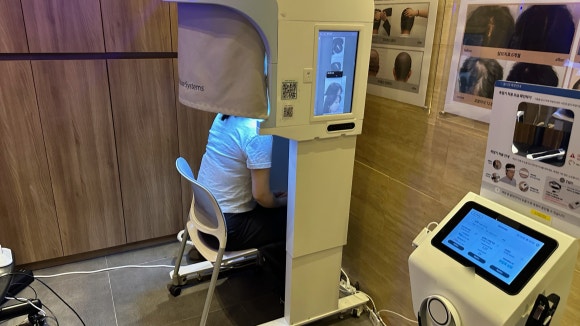
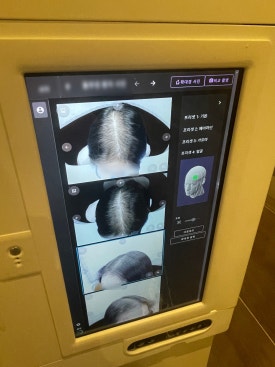
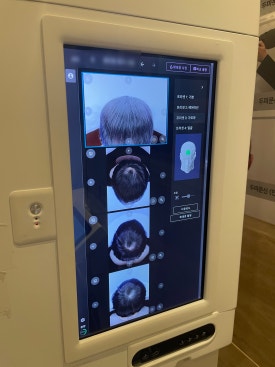



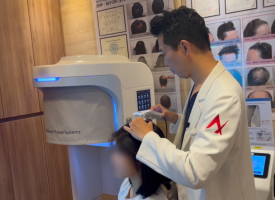
Hair loss testing is performed together with scalp photography, microscope imaging, and stress level results,
and it is important to establish a personalized management plan based on the doctor's diagnosis by comprehensively evaluating the patient's genetic factors, medical history, existing conditions, and past treatment experience.
Depending on the progression and cause of hair loss,
an appropriate approach can be chosen from various methods such as medication, injection therapy, scalp micropigmentation, and hair transplant surgery.
If hair loss is suspected, it is advisable to identify the cause, prioritize lifestyle management and stress reduction, and establish an individualized plan through consultation.