Many women experience postpartum hair loss after giving birth, and in most cases, it is a temporary phenomenon caused by hormonal changes.
However, if your hair suddenly starts falling out 2 to 4 months after delivery, it is easy to feel significant anxiety.
In fact, many patients feel that “their hair is coming out in handfuls and they are going bald,” but in most cases, this is a normal physiological process, so correct understanding and care are important.
Why Postpartum Hair Loss Happens
During pregnancy, female hormones increase significantly, which suppresses the natural hair shedding cycle.
Because of this, during pregnancy, hair falls out less than usual, and it may feel as though your hair has become fuller.
However, when hormone levels return to normal after childbirth, the hairs that had been maintained without shedding during that time fall out all at once, leading to sudden and dramatic hair loss.
This is postpartum hair loss, and in most cases it gradually recovers within 6 to 12 months.
Distinguishing Postpartum Hair Loss from Genetic Hair Loss
If hair loss continues for more than a year,
or if the crown and part line gradually widen and the hair becomes thinner,
this may not be simple postpartum hair loss, but rather genetic hair loss occurring at the same time.
Recently, as the age of childbirth has shifted later into the late 30s to early 40s,
cases where postpartum hair loss overlaps with female pattern hair loss have also become more common.
In such cases, it is necessary to distinguish the cause through scalp and hair diagnosis and to find a personalized care approach.
How to Manage Postpartum Hair Loss
Most cases of postpartum hair loss improve without special treatment, but if the amount of hair loss is large and causes anxiety, you can manage it with the methods below.
Keep the scalp clean and avoid frequent chemical procedures such as dyeing and perming.
Stabilize the hair environment through a balanced diet and 충분한 sleep.
- Use nutritional supplements
Brewer’s yeast, biotin, omega-3, and probiotics may help support hair health.
However, during pregnancy and breastfeeding, you must check whether they can be taken.
After breastfeeding ends, you may consider topical treatments such as minoxidil.
Use during pregnancy and breastfeeding may be restricted, so a decision should be made after consulting a specialist.
Personalized Treatment and Care
Beyond simply relieving symptoms, we provide an accurate diagnosis of each individual’s hair condition
and offer a personalized treatment plan.
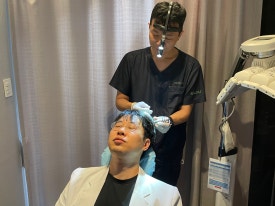
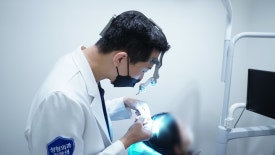
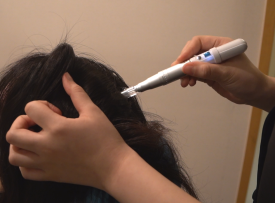
Follicle injection treatment: A method that uses growth factors and medication to help the follicles recover and promote hair growth
Autologous cell injection treatment: A treatment in which cells are extracted from healthy follicles in your own body and injected into areas of hair loss to induce cell regeneration and recovery
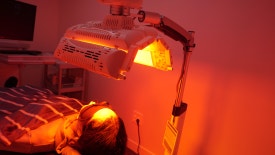
Low-level laser treatment: Improves scalp blood flow and stimulates hair growth
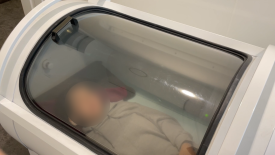
Hyperbaric oxygen therapy: Helps supply oxygen and improve blood circulation, supporting bodily recovery and maintaining an environment needed for healthy cell activity
Wound dressing material: Has anti-inflammatory effects and helps regenerate tissue
Hair transplant: Helps improve hair density by reinforcing areas with insufficient hair
Scalp micropigmentation: A visual improvement for areas where the scalp shows through due to thinning hair
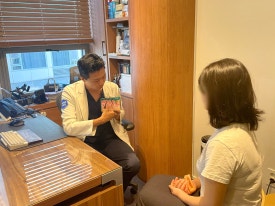
Provides personalized lifestyle care guidance after scalp and hair analysis
Postpartum hair loss usually recovers naturally over time,
but if recovery is slow or genetic hair loss is also present, diagnosis and personalized care can be helpful.
If you are worried about hair care after childbirth, please consider a consultation to learn about safe and systematic care methods.