
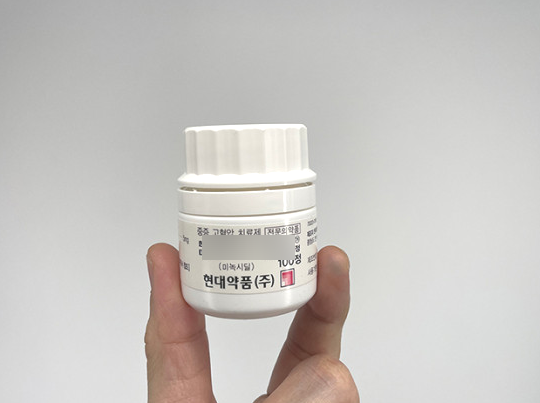
Minoxidil
Q1. Can minoxidil affect the eyes?
Yes, there have been reports of increased intraocular pressure after minoxidil use in some cases.
For example, there was a reported case of a young man who had used topical minoxidil for several years and whose intraocular pressure rose to 30 mmHg¹.
In other words, while it is not common, it can affect intraocular pressure.
Q2. Is everyone at risk of increased intraocular pressure?
No. It is not a major issue for most people, but caution is needed if you have already been diagnosed with glaucoma or have a family history of it.
This is because the optic nerve can be sensitive even to small changes in pressure.
Q3. Can minoxidil actually lower intraocular pressure?
Some basic research has suggested that this may be possible.
According to Kang et al. (2020), “minoxidil sulfate reduced the expression of occludin and claudin-5, increasing intercellular permeability”⁵.
This suggests a mechanism that could promote aqueous humor outflow and lower intraocular pressure.
Q4. Is it also linked to retinal diseases?
There are rare reported cases.
Pickel (2024) stated, “We report central retinal vein occlusion associated with minoxidil in a young patient without other underlying diseases”².
Venkatesh (2020) also reported that “central serous chorioretinopathy occurred after long-term topical minoxidil use”³, and Walinjkar (2024) published a similar case⁴.
Q5. How should it be used safely?
If you have been diagnosed with glaucoma or have a family history of it, it is best to consult an ophthalmology specialist.
It is recommended to check baseline intraocular pressure before use and recheck it at 2 weeks and 6 weeks after starting.
If there are changes, you may consider reducing the amount used or other treatment options.
Q6. Should ordinary users also worry?
For most users, it is not a major problem.
However, because it may affect sensitive individuals even if the probability is low, it is smartest to monitor your condition carefully and seek specialist consultation when needed.

Written by: Kim Jin-oh of New Hair Plastic Surgery (Public Relations Director, Korean Association of Plastic Surgeons / Academic Director, Korean Society for Laser Dermatology and Hair Restoration)
Minoxidil for Hair Loss and Eye Health Q&A | Summary of Information on Intraocular Pressure and Glaucoma
Summary Table
| Question | Key Answer |
|---|
| Can minoxidil affect the eyes? | Rare cases of increased intraocular pressure have been reported¹ |
| Is everyone at risk? | No, but caution is needed for glaucoma patients and those with a family history |
| Can it lower intraocular pressure? | A mechanism has been suggested in some basic research⁵ |
| Is it linked to retinal disease? | Cases of CRVO² and central serous chorioretinopathy³⁴ have been reported |
| How can it be used safely? | Measure intraocular pressure before and after use; ophthalmology collaboration recommended |
| What about ordinary users? | Generally safe, but be aware of exceptional cases |
Now it's time for hairhair, Kim Jin-oh.
Pilsaengsinmo (必生新毛).
References
-
Erichev VP (2024). Minoxidil-induced ophthalmic hypertension: A case report. Vestn Oftalmol.
-
Pickel L (2024). Central retinal vein occlusion associated with minoxidil use. Clinical Case Reports.
-
Venkatesh R (2020). Central serous chorioretinopathy associated with topical minoxidil. BMC Ophthalmology.
-
Walinjkar JA (2024). Pigment epithelial detachment and subretinal fluid after topical minoxidil. Indian Journal of Ophthalmology.
-
Kang HG, et al. (2020). Minoxidil sulfate increases permeability in trabecular meshwork cells. Experimental Eye Research.
[This post is being written directly by a board-certified plastic surgeon for information-sharing purposes in accordance with Article 56, Paragraph 1 of the Medical Service Act. Hair transplant surgery and treatment may have side effects, and you should make a careful decision after consulting with a specialist.]