
Source - Doctors News
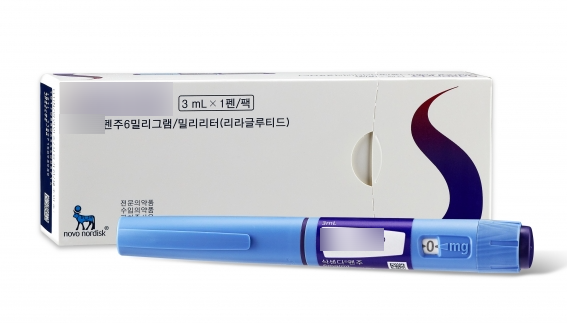
Source - PharmNews
As the use of GLP-1 receptor agonists (Saxenda, Wegovy, etc.) has recently increased rapidly, interest in and concern about hair loss have also grown.
Unlike the positive effect of weight loss, experiencing hair loss causes considerable anxiety for patients.
Below, we have organized the questions that patients and caregivers frequently ask in a Q&A format.
Q1. Do Saxenda and Wegovy cause hair loss?
A. Hair loss has been reported in some patients.
In a large clinical trial of Wegovy (the STEP program), Shand et al. (2023) reported that
“the incidence of hair loss was higher in the Wegovy group than in the placebo group”[1].
However, it does not occur in all patients, and there are individual differences.
Q2. Is the cause the medication itself,
or is it due to weight loss?
A. It is difficult to say definitively, but studies to date suggest that rapid weight loss is likely the main factor in hair loss.
Burke et al. (2025) reported that “there is a clear correlation between the speed of weight loss and the occurrence of hair loss”[2].
Therefore, rather than drug toxicity, the speed of weight change is interpreted as the key cause.
Q3. What type of hair loss occurs?
A. Godfrey et al. (2025) reported that “among GLP-1 medication users, telogen effluvium was observed more commonly than follicular miniaturization”[3].
This is similar to the type of temporary hair loss often seen after dieting and is distinguished from androgenetic alopecia.
Q4. Is it also related to nutritional status?
A. Yes. Severe calorie restriction can lead to zinc, iron, and protein deficiencies.
Smith and Lee (2024) reported that “nutritional deficiencies directly affect the hair growth cycle and accelerate hair loss”[4].
Therefore, nutritional imbalance should be considered an important cause of hair loss.
Q5. What can patients do to prevent or reduce hair loss?
-
Pre-treatment explanation: If the possibility of hair loss is sufficiently explained before starting the medication, anxiety can be reduced.
-
Nutritional management: The diet should be managed so that protein, iron, zinc, and other nutrients are consumed adequately.
-
Control the rate of weight loss: Avoid rapid weight loss and recommend gradual weight reduction.
-
Follow-up observation: Most cases of telogen effluvium are temporary and often recover within a few months.
Q6. If hair loss occurs, should the medication be stopped?
A. In most cases, hair loss is temporary, so there is no need to 반드시 stop the medication.
However, depending on the patient’s discomfort or nutritional status, supportive treatment or lifestyle adjustments may be necessary.
It is safest to decide on the treatment plan after consulting with a medical professional.
| Question | Key Answer |
|---|
| GLP-1 medications and hair loss | Reported at a higher frequency than in the placebo group [1] |
| Cause | Rapid weight loss rather than drug toxicity [2] |
| Type of hair loss | Telogen effluvium [3] |
| Nutritional factors | Iron, zinc, and protein deficiency are major causes [4] |
| Prevention methods | Patient counseling, nutritional management, gradual weight loss |
| Need for treatment | Mostly temporary; consultation with a medical professional recommended |
Now it is time for hair hair, Kim Jin-oh was here.
Filling life with new hair (必生新毛).
Reference
[1] Shand FL, et al. 2023. Hair loss in patients treated with semaglutide: results from the STEP trials. Obesity Reviews. 24(6): e13562.
[2] Burke LE, et al. 2025. Correlation between weight loss velocity and incidence of alopecia in GLP-1 agonist users. Int J Obes. 49(2): 210-218.
[3] Godfrey R, et al. 2025. Telogen effluvium associated with GLP-1 receptor agonists: clinical patterns and recovery. J Am Acad Dermatol. 92(1): 44-52.
[4] Smith J, Lee K. 2024. Nutritional deficiencies and drug-induced alopecia: differential diagnosis in rapid weight loss patients. Clin Nutr. 43(3): 555-563.
[This post is being written directly by a board-certified plastic surgeon for the purpose of providing information in accordance with Article 56, Paragraph 1 of the Medical Service Act. Hair transplant surgery and treatment may have side effects, and you should make a careful decision after consultation with a specialist.]
Written by: Kim Jin-oh, New Hair Plastic Surgery (Public Relations Director, Korean Association of Plastic Surgeons / Academic Director, Korean Society of Laser Dermatology and Hair Research)