Q1. Is oral minoxidil more effective than topical minoxidil?
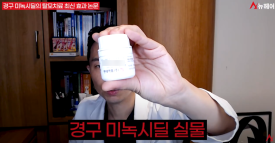
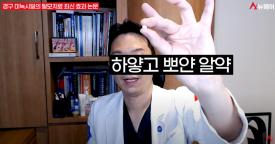
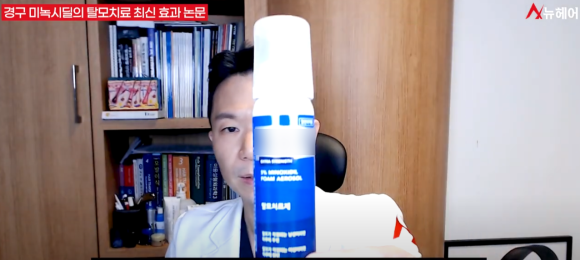
According to the results of several recent randomized controlled trials, the two formulations are often concluded to have similar overall effectiveness.
For example, a clinical trial published in JAMA Dermatology did not prove the superiority of 5 mg oral minoxidil compared with the topical 5% formulation¹.
However, some measures, especially photo assessment of the crown area, showed better results in the oral administration group.
Also, a study in the Journal of Cosmetic Dermatology reported that 1 mg oral minoxidil showed similar effects to topical 5% minoxidil². Interestingly, a recently published study also found that the 2.5 mg oral administration group had better hair thickness and density results than the topical group³.
In other words, responses vary by patient, but both oral and topical formulations are effective, and a tailored choice is needed depending on the situation.
Q2. What are the differences in side effects?
The representative side effect of oral minoxidil is hypertrichosis (increased hair growth on the face or body).
In the JAMA Dermatology clinical trial, hypertrichosis occurred in about half of the oral administration group, but most cases were mild and did not require stopping treatment¹.
In addition, edema, headache, and dizziness have been reported in some patients, but significant blood pressure changes or arrhythmias are rarely seen.
In contrast, the side effects of topical minoxidil are mainly skin-related problems such as scalp irritation, itching, and worsening dandruff².
Therefore, people who are concerned about increased facial hair often prefer the topical formulation, while those with severe scalp irritation often prefer the oral formulation.
Q3. For which patients do you recommend oral minoxidil?
-
People who find applying medication inconvenient or have a sensitive scalp → the oral formulation is more suitable.
-
People who are sensitive to increased facial hair or body hair → the topical formulation is more suitable.
-
If you want to maximize effectiveness → combination treatment with a 5α-reductase inhibitor such as finasteride or dutasteride can be considered⁴.
In my clinical experience, many young office workers prefer the oral formulation because taking one pill a day is convenient and improves adherence.
However, the most important thing is to choose by taking the patient's constitution, lifestyle, and psychological preferences into comprehensive consideration.
Q4. Is it safe to take it long term?
In expert consensus statements, long-term use of low-dose oral minoxidil is generally considered safe⁵.
However, caution is needed in certain patient groups, such as those with hypotension, a history of arrhythmia, or women who may become pregnant.
Checking baseline blood pressure and pulse before taking it is essential, and if abnormal symptoms occur, you should seek medical attention immediately.
Frequently Asked Questions About Oral Minoxidil and Topical Minoxidil
Summary table
| Category | Oral Minoxidil | Topical Minoxidil |
|---|
| Effect | Similar to topical in many studies; superior in some studies | Proven effective standard treatment |
| Main side effects | Hypertrichosis, and rarely edema, headache, dizziness | Scalp irritation, itching, dandruff |
| Adherence | One pill a day, convenient | Requires application and drying; affects daily routine |
| Suitable patients | Patients with sensitive scalps or who find applying it inconvenient | Patients who want to avoid increased facial or body hair |
| Combination strategy | Combination with 5α-reductase inhibitors recommended | Same |
It's time for hairhair, this was Kim Jin-o.
Pilsaengsinmo (必生新毛).
Written by: Kim Jin-o, New Hair Plastic Surgery (Public Relations Director of the Korean Society of Plastic and Reconstructive Surgeons / Academic Director of the Korean Hair Research Society)
References
-
Penha MA, Miot HA, Kasprzak M, Müller Ramos P. Oral Minoxidil vs Topical Minoxidil for Male Androgenetic Alopecia: A Randomized Clinical Trial. JAMA Dermatology. 2024.
-
Asilian A, Farmani A, Saber M. Clinical efficacy and safety of low-dose oral minoxidil versus topical solution in androgenetic alopecia: A Randomized Controlled Trial. Journal of Cosmetic Dermatology. 2024.
-
Yousefi E, Ansari MS, Shakoeinejad S, et al. Efficacy and safety of oral minoxidil in comparison to topical form in male pattern hair loss. Archives of Dermatological Research. 2025.
-
Akiska YM, Mirmirani P, Roseborough I, et al. Low-Dose Oral Minoxidil Initiation for Patients With Hair Loss: An International Modified Delphi Consensus Statement. JAMA Dermatology. 2025.
-
Vañó-Galván S, Fernandez-Crehuet P, Garnacho G, et al. Recommendations on the Clinical Management of Androgenetic Alopecia: A Consensus Statement. Actas Dermo-Sifiliográficas. 2024.
[This post is written directly by a board-certified plastic surgeon for informational purposes in accordance with Article 56, Paragraph 1 of the Medical Service Act. Hair transplant surgery and treatment may have side effects, and please make a careful decision after consulting with a specialist.]