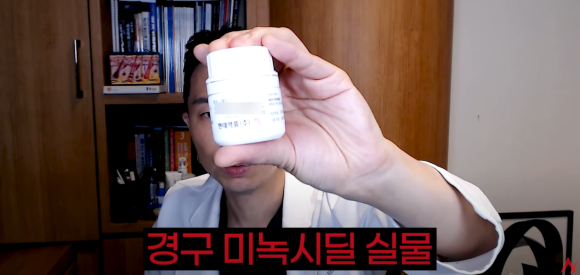
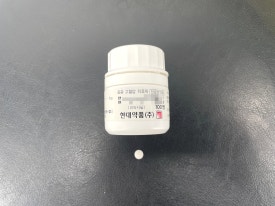
Hereditary hair loss, androgenetic alopecia (AGA), is one of the most common reasons many men visit a clinic.
Recently, as studies have suggested that oral minoxidil may be more effective than topical minoxidil, patients often ask about it.
In this post, I have organized the questions that come up frequently in actual clinical practice into a Q&A format.
Q1. Is oral minoxidil really more effective than topical minoxidil?
Yes. According to a recent randomized controlled trial, the group taking oral minoxidil 2.5 mg once daily showed more pronounced improvements in hair shaft thickness, hair count, and hair density than the group applying 5% topical minoxidil solution【1】.
The study concluded that “oral minoxidil is more effective than topical minoxidil in promoting hair growth”【1】.
In my experience as well, many patients notice faster changes with the oral medication than with the topical one.
Q2. What are the side effects of oral minoxidil?
Minoxidil was originally developed as a blood pressure medication, so although rare, side effects such as lowered blood pressure, edema, and palpitations have been reported.
However, at a low dose (2.5 mg), most patients tolerate it well【1】.
In actual clinical practice, some people experience mild hypertrichosis, but male patients often do not find it very bothersome.
However, people with cardiovascular disease should definitely consider taking it only after consulting a specialist.
Q3. Does topical minoxidil have almost no effect?
Not at all. Topical minoxidil is still effective for many patients.
However, according to the study, after 6 months of use, there was no statistically significant change in average hair shaft thickness or hair count【1】.
In practice, consistent use can slow the progression of hair loss, and some patients do show a response with thicker hair.
But because applying it is cumbersome, many patients stop using it partway through.
Q4. Who do you recommend oral minoxidil for?
-
Patients who have difficulty using a topical medication consistently
-
Patients who have not responded well to the topical formulation
-
Young male patients whose hair loss is progressing rapidly
In such cases, oral minoxidil can be a good alternative.
Of course, it is necessary to check basic health status before taking it.
What Do Patients Commonly Ask About Oral Minoxidil? (FAQ)
Summary Table
| Category | Oral minoxidil (2.5 mg/day) | Topical minoxidil (5%/day) |
|---|
| Administration | Take as a pill | Apply as a solution |
| Effect | Increases hair thickness, count, and density | Limited effect |
| Hair changes | Increased anagen hairs, decreased telogen hairs and vellus hairs | No major change |
| Adherence | High (convenient) | Low (inconvenient) |
| Main side effects | Lowered blood pressure, edema, hypertrichosis | Scalp itching, irritation |
It is now time for hairhair, Kim Jino.
필생신모(必生新毛).

Written by: Kim Jino, New Hair Plastic Surgery (Public Relations Director, Korean Association of Plastic Surgeons / Academic Director, Korean Society for Laser, Dermatology and Hair)
References
- Anonymous. Efficacy and safety of oral versus topical minoxidil in male androgenetic alopecia: A randomized controlled trial. Alopecia Clinic, 2022–2023.
[This post is written directly by a board-certified plastic surgeon for informational purposes in accordance with Article 56, Paragraph 1 of the Medical Services Act. Hair loss surgery and treatment may have side effects, and you should make a careful decision after consulting with a specialist.]