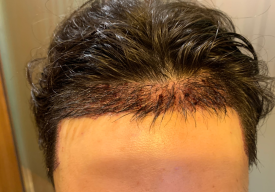
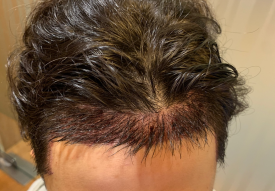
Photo after hair transplantation
It is easy to think of hair transplantation as simply a procedure that moves and implants hair.
However, according to recent research results, transplanted hair follicles continue to change and adapt not only immediately after surgery, but even months later¹.
Let’s organize this around questions patients often ask.
Q1. After hair transplantation, do the follicles fully settle after a few months?
It is not a process that fully ends.
Many people think, “They settle after 3 months,” but in reality, gene expression inside the transplanted follicles continues to change.
According to the study, a total of 138 genes changed¹, which is not simply settling but a process of “reorganizing to fit a new environment.”
In clinical experience, scalp care, lifestyle adjustments, and whether adjunct treatments are used often determine the quality of the results during this period.
Q2. Why do inflammation-related genes change in transplanted follicles?
It is a “defense mechanism” to prevent excessive inflammation.
In particular, the expression of the gene IL1R2 increased¹, which plays a role in reducing inflammatory signals and protecting the follicle.
Simply put, it is similar to “installing security measures while adapting to a new home.”
In actual clinical practice, if the initial inflammatory response is too strong, follicle survival rates may decrease.
That is why anti-inflammatory care, such as keeping the scalp clean and avoiding excessive irritation, is important.
Q3. Is there evidence that follicles recover on their own?
Yes, the gene MST1R is evidence of that.
This gene is involved in wound healing and regeneration, and its expression increased in transplanted follicles in the study¹.
This is not just a matter of enduring; it is a signal of active recovery.
Looking at real patient cases, the process in which hair thickness and density gradually stabilize over several months after surgery aligns with this genetic recovery mechanism.
Q4. Does the energy metabolism of follicles change too?
Yes, they adjust how they use energy in order to survive in a new environment.
According to the study, pathways related to fat metabolism and intracellular energy balance changed significantly¹.
This is a process in which follicles reorganize their metabolism for survival, almost like making a new dish with unfamiliar ingredients.
Clinically, this is also connected to the fact that patients’ nutritional status and energy metabolism in the body, such as whether they have anemia or thyroid disease, can affect follicle recovery.
Q5. Then what should patients manage after surgery?
The key to management is the time spent outside the operating room.
-
Scalp hygiene
-
Enough sleep
-
Avoid smoking and drinking, which can worsen inflammation
-
Adjunct treatment if needed, such as medication, injections, or nutritional care
All of these help the follicles adapt over the long term.
It does not simply end with surgery; post-operative care determines success or failure.
After hair transplantation, does the transplanted hair continue to change?
Quick summary table
| Area of change | Key gene/pathway | Meaning | Clinical implications |
|---|
| Inflammation control | IL1R2 ↑ | Reduced inflammatory response | Scalp hygiene and anti-inflammatory care are essential |
| Regeneration and recovery | MST1R ↑ | Activation of recovery signals | Hair thickness and density stabilize over several months |
| Metabolic adaptation | Fat metabolism and Peroxisome pathways | Changes in energy use | Nutrition and metabolic disease management are important |
| Long-term changes | Total of 138 genes | Ongoing reorganization | Long-term post-operative care is essential |
After hair transplantation, does the transplanted hair continue to change?
Conclusion
Hair transplantation is not simply a procedure that moves and implants hair.
Even months later, transplanted follicles continue to change, regulate inflammation, recover on their own, and adapt to a new energy metabolism pattern.
Therefore, patients need consistent care even after surgery, and medical professionals should understand this process and provide personalized strategies.
Now it is time for hairhair, this was Kim Jin-oh.
To grow new hair for life (必生新毛).
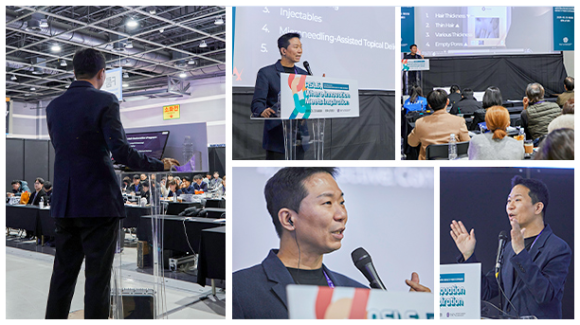
Written by: Kim Jin-oh of New Hair Plastic Surgery (Public Relations Director, Korean Society of Plastic and Reconstructive Surgeons / Academic Director, Korean Society for Laser Dermatology and Hair)
References
- Chew, E.G.Y., Koh, B., Lim, L.S. et al. (2025). Transcriptional reprogramming of hair follicle grafts in androgenetic alopecia. Journal of Plastic, Reconstructive & Aesthetic Surgery. (Uploaded document: Gene expression changes in transplanted hair follicles 250910.pdf)
[This post is written directly by a board-certified plastic surgeon for informational purposes in accordance with Article 56, Paragraph 1 of the Medical Service Act. Hair loss surgery and treatment may have side effects, and you should make a careful decision after consulting with a specialist.]