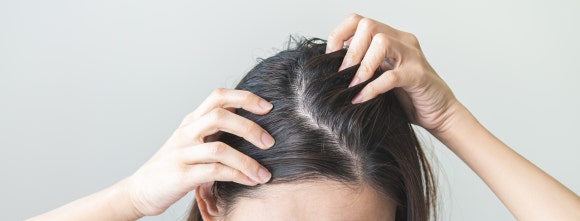
Recently, concerns about hair loss have increased significantly even among young women.
In particular, many people share the common trait of having an oily scalp.
Research findings have been published showing that it is not simply a matter of excess sebum, but that disruption of the lipid components and microbial balance in the scalp is linked to hair loss¹.
In this post, I will go through the topic in a question-and-answer format based on the questions patients often ask.
Female Hair Loss, Why Is It Worse on Oily Scalps?
Key Summary Table of the Link Seen in Recent Research
| Category | Main Finding | Meaning |
|---|
| Scalp condition | Excess sebum, decreased hair density, increased shed hair | More oil → worse hair loss |
| Lipid components | Imbalance of ceramides, TG, and DG | Excess can cause cell damage and inflammation |
| Microbial changes | Decrease in Cutibacterium, increase in Pseudomonas aeruginosa, appearance of Gilliamella | Loss of balance worsens hair loss |
| Clinical significance | Restoring sebum and microbial balance is key | A new target for care and treatment |
Q1. Why does female hair loss appear more often on oily scalps?
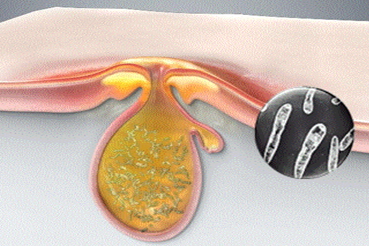
Source - Electronic Times
Acne
According to the study, women with oily scalps showed lower hair density and a greater number of shed hairs as sebum secretion increased¹.
In other words, sebum itself can place a burden on the follicular environment and promote hair loss.
In clinical practice as well, patients with oily scalps often complain of scalp itching, clumps of sebum, and frequent dandruff, and these inflammatory responses negatively affect hair growth.
Q2. Why is an imbalance in scalp lipid components important?
There are hundreds of lipid components detected on the scalp, but certain components such as ceramide, triglyceride (TG), and diglyceride (DG) were closely related to the problem¹.
Ceramides are normally beneficial components that protect the skin barrier, but if they accumulate excessively, they can trigger premature cell death.
When TG and DG lose their balance, they also increase oxidative stress and inflammatory responses, damaging the hair-growth environment.
In the end, the idea that even good components can become harmful in excess applies just the same to hair loss.
Q3. What role do scalp microbes play?
Countless microbes coexist on our scalp, invisible to the eye.
On a healthy scalp, Cutibacterium helps maintain balance, but the study confirmed that this bacterium decreased while Pseudomonas aeruginosa increased instead¹.
Pseudomonas aeruginosa is known as a bacterium that increases the severity of inflammatory diseases such as dermatitis and psoriasis.
What is even more interesting is that Gilliamella, a gut bacterium found in honeybees, appeared only in the oily scalp and hair-loss patient group.
Its role is not yet clear, but it is considered potentially related to scalp inflammation.
Q4. What does this research mean for actual treatment?
This study goes beyond the conventional view that hair loss is caused only by hormonal problems and shows that the balance of sebum and microbes can be an important key.
Clinically, for patients with oily scalps, scalp cleansing care, antioxidant and anti-inflammatory treatment,
and treatments that help restore microbial balance (for example, preserving beneficial bacteria and improving the scalp environment) may be more effective.
In the future, adjusting lipid components such as ceramides or protecting beneficial bacteria on the scalp
may become new strategies for managing female hair loss.
Q5. How should patients manage it?
Cleansing habits: It is recommended to use a mildly acidic shampoo suited to your scalp condition once a day.
Minimize scalp inflammation: Avoid excessive scrubbing or products with strong alcohol ingredients.
Medical consultation: If simple care does not solve the problem,
an examination that analyzes follicle condition and scalp lipid balance is needed.
Customized treatment approach: If necessary, combining anti-inflammatory injections, laser treatment, and nutritional balance adjustment can be effective.
Now it is time to do hairhair, Kim Jino.
Pilsaengsinmo (必生新毛).
Written by: Kim Jino, New Hair Plastic Surgery (Public Relations Director, Korean Association of Plastic Surgeons / Academic Director, Korean Laser Dermatology and Hair Society)
References
1.Shao, S., Li, B., Yang, J., Qi, F., Liu, Q. & Zhao, F. (2025) ‘Multidimensional Research on Hair Loss in Young Chinese Females With Oily Scalps’, Journal of Cosmetic Dermatology, 24, e70426. doi:10.1111/jocd.70426.
[In accordance with Article 56, Paragraph 1 of the Medical Services Act, this post is written directly by a board-certified plastic surgeon for informational purposes. Hair transplant surgery and treatment may involve side effects, and decisions should be made carefully after consulting with a specialist.]