Hair loss is not simply a phenomenon of hair falling out.
In actual clinical practice, many people report a drop in confidence, avoidance of interpersonal relationships, and psychological withdrawal as their hair becomes thinner.
Research has repeatedly reported that “patients with hair loss experience shame, anxiety, and depression, and their social activities become reduced”¹.
In other words, hair-related concerns are directly linked to emotional well-being, beyond changes in appearance.
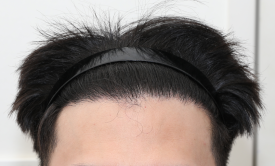
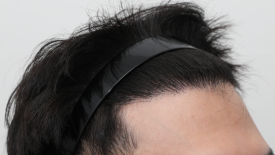
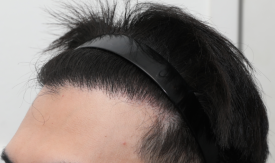
Hair Transplantation: Psychological Effects Beyond Appearance Change?
Conclusion
Hair transplantation is not merely a surgery that “plants hair.”
The process is a journey of recovery, of regaining oneself, and as the hair grows back, confidence and life energy grow along with it.
A treatment that changes both appearance and the mind.
This is exactly why so many people choose hair transplantation.
How much does hair affect a person's impression?
Hair is not just decoration.
One study found that hair symbolizes youth, health, and gender identity². On the other hand, early hair loss can lead to a diminished self-image and a loss of social confidence.
Among actual patients, many say things like, “I used to not want to take off my hat, but now I enjoy styling my hair.”
This kind of change can be seen not simply as “hair has grown,” but as “the way I see myself has changed.”
If I only get a hair transplant, will my self-esteem be fully restored?
Many people expect that a hair transplant will completely change their lives, but unrealistic expectations can instead lead to disappointment³.
During preoperative consultation, it is important to receive specific guidance on the results that are realistically possible, as well as individual hair characteristics and recovery speed.
Medically, such prior coordination has also been regarded as “a key factor in reducing unnecessary emotional burden and improving postoperative satisfaction”³.
Therefore, the consultation process is not just a “procedure,” but also a psychological preparation process in which patients check their own expectations and set realistic goals.
Is there a reason psychological counseling is needed before a hair transplant?
In some cases, a simple psychological questionnaire or consultation is conducted.
This process is not intended to exclude patients, but to assess their current psychological state and help support a more stable recovery⁴.
The paper also explains that “positive psychological screening results should be interpreted not as a disqualification for surgery, but as a signal that further mental health evaluation is needed”⁴.
In other words, your mind needs to be prepared in order to accept changes in appearance positively.
How satisfied are actual hair transplant patients?
A clinical study published in 2023 reported that self-esteem and quality of life significantly improved after hair transplantation, and that 75–90% of patients were satisfied with the results⁵.
At New Hair, patients often say after surgery, “My social life has become much more confident,”
and “I no longer worry about my hair first when taking photos.”
In the end, a successful hair transplant is completed not only when the hair grows well, but also when the mind is prepared to accept the change and respond to it positively.
Hair Transplantation: Psychological Effects Beyond Appearance Change?
Summary Table
| Category | Main Content | Key Message |
|---|
| Effects of hair loss | Lower self-esteem · social avoidance¹ | Directly linked to psychological issues |
| Meaning of hair | Youth · health · expression of gender² | Value beyond appearance change |
| Risk factors | Unrealistic expectations³ | A cause of lower satisfaction |
| Psychological check | Preoperative consultation · psychological testing⁴ | An opportunity to prepare mentally |
| Positive effects | Improved self-esteem · quality of life⁵ | 75–90% satisfaction rate |
It's time to let your hair grow, this was Kim Jin-Oh.
필생신모(必生新毛).
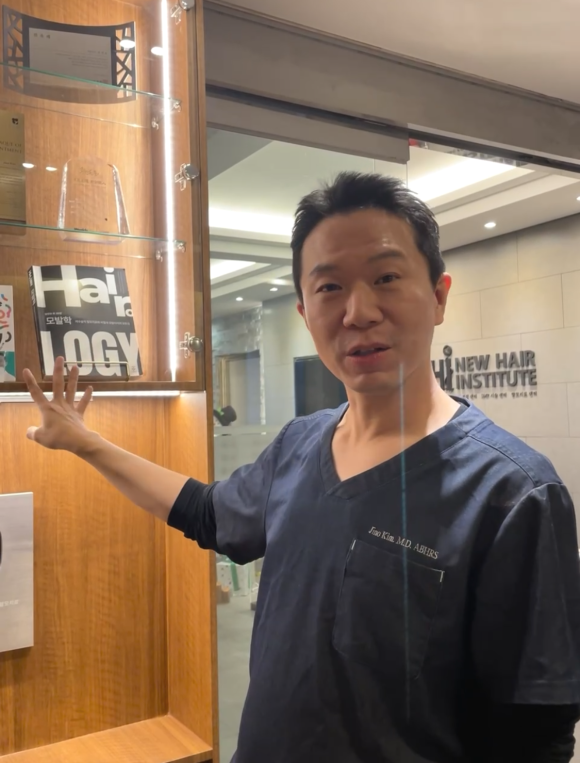
Written by: Kim Jin-Oh of New Hair Plastic Surgery (Public Relations Director, Korean Society of Plastic and Reconstructive Surgeons / Academic Director, Korean Society of Laser Dermatology and Hair)
References
-
Aukerman, E. L. & Jafferany, M. (2023) ‘The Psychological Consequences of Androgenetic Alopecia: A Systematic Review’, Journal of Cosmetic Dermatology, 22(1), pp. 89–95.
-
Bater, K. L., Ishii, M., Joseph, A., Su, P., Nellis, J. & Ishii, L. E. (2016) ‘Perception of Hair Transplant for Androgenetic Alopecia’, JAMA Facial Plastic Surgery, 18(6), pp. 413–418.
-
Pikoos, T. D., Rossell, S. L., Tzimas, N. & Buzwell, S. (2021) ‘Assessing Unrealistic Expectations in Clients Undertaking Minor Cosmetic Procedures: The Development of the Aesthetic Procedure Expectations Scale’, Facial Plastic Surgery & Aesthetic Medicine, 23, pp. 263–269.
-
Bascarane, S., Kuppili, P. P. & Menon, V. (2021) ‘Psychiatric Assessment and Management of Clients Undergoing Cosmetic Surgery: Overview and Need for an Integrated Approach’, Indian Journal of Plastic Surgery, 54(1), pp. 8–19.
-
Nilforoushzadeh, M. A., Golparvaran, M. & Yekaninejad, M. S. (2023) ‘Assessment of Quality of Life and Self-Esteem in Male Patients With Androgenetic Alopecia Before and After Hair Transplantation’, Journal of Cosmetic Dermatology, 22(8), pp. 2283–2287.
[In accordance with Article 56, Paragraph 1 of the Medical Service Act, this post is written directly by a plastic surgery specialist for informational purposes. Hair-loss surgery and treatment may have side effects, so please make a careful decision after consulting with a specialist.]