A recently published and interesting study suggests the possibility of changing the landscape of the hair loss treatment market.
According to findings released by a research team from China Pharmaceutical University and the University of Sydney in Australia, stevia may become a new helper that overcomes the limitations of existing minoxidil¹.
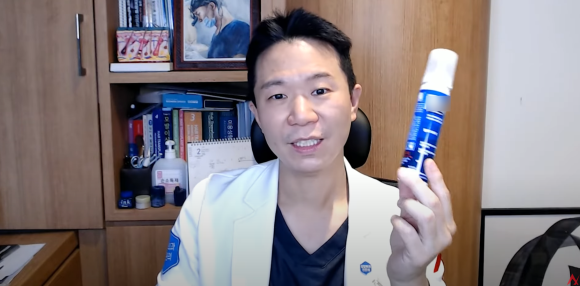
Hair loss medication effect, a new study finds the possibility of doubling it?
(Stevia) Summary table
| Item | Existing minoxidil | Minoxidil combined with stevia |
|---|
| Effect | A certain level of hair growth | About 2x or more improvement |
| Onset of effect | After week 4 | From week 2 |
| Side effects | Itching, erythema | Possible reduction |
| Stage | In clinical use | Animal study stage |
| Delivery method | Alcohol solution | Microneedle patch type |
| Core technology | Vasodilation | Improved solubility and absorption |
Q1. Isn't stevia a sugar substitute?
What does it have to do with hair loss?
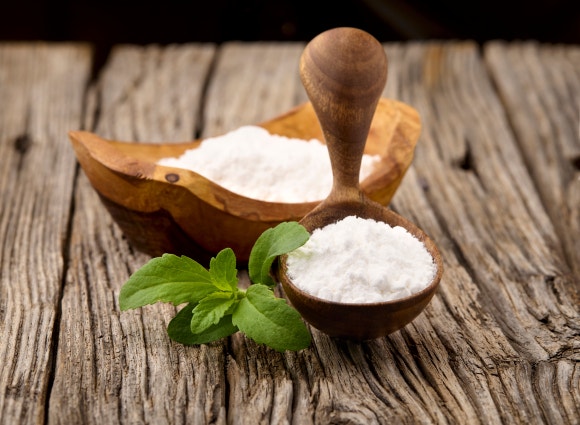
That's right. Stevia is commonly known as a zero-calorie sweetener, but in this study, stevioside extracted from stevia drew attention.
This ingredient has an amphiphilic molecular structure, which gives it the ability to stably encapsulate drugs that do not dissolve well in water.
In other words, the fact that it can dramatically improve minoxidil's low solubility and absorption rate opened up new possibilities in hair loss treatment¹.
Q2. How good was the effect in actual testing?
The research team divided mice with induced hair loss into four groups and observed them for 35 days.
The results were as follows.
| Category | Minoxidil alone | Minoxidil + stevia |
|---|
| Hair regeneration rate after 35 days | About 25% | About 67.5% |
| Point at which noticeable change appeared | After week 4 | From week 2 |
| Expected mechanism of action | Mainly vasodilation | Solubility ↑, absorption ↑, possible improvement in blood flow |
| Scalp irritation | Frequent (alcohol-based) | Possibly low |
Looking only at the numbers, a regenerative effect that was about 2.5 times better was confirmed.
It is also noteworthy that hair growth began within half the duration.
Q3. What limitation did minoxidil have that made this kind of adjunct necessary?
Minoxidil works by dilating blood vessels and supplying oxygen and nutrients to hair follicles.
However, it had drawbacks because its low solubility and limited skin permeability meant it could not adequately reach deep into the scalp.
For this reason, it is manufactured in an alcohol solution form, and in the process, side effects such as scalp irritation, erythema, and itching often occur.
Using stevia may help alleviate these issues while improving drug delivery efficiency¹.
Q4. How does stevia enhance the effect of minoxidil?
The key is micelle structure formation. Stevioside creates tiny spherical structures that surround the drug, allowing minoxidil, which is difficult to dissolve in water, to dissolve stably
and improving skin penetration.
The study reported that the aqueous solubility of minoxidil increased by more than 18 times¹.
In other words, even with the same concentration of drug, more of it reaches the hair follicles.
Q5. Is this combination safe?
Stevia is already recognized as a safe natural sweetener by the EU, the U.S. FDA, the WHO, and others.
The paper also mentions that it is a safe ingredient used in more than 40,000 products worldwide¹.
However, this experiment is still at the animal stage, and safety and efficacy must be verified through clinical trials before it can be applied to humans.
Therefore, it is still too early to view it as a treatment that can be used right away.
Q6. What are the expected benefits going forward?
The greatest significance of this study is the potential expansion of combination therapy.
Not only minoxidil, but also finasteride, dutasteride, caffeine, prostaglandins, and other
combinations with stevia may be attempted.
If this technology advances, effective treatment may be possible even at lower concentrations,
it could be used in patch-type formulations that reduce scalp irritation, and it may develop into a personalized hair loss treatment
platform.
Q7. Then can we just mix in stevia and use it right away?
That is not yet possible.
The form used in the paper was not ordinary minoxidil solution, but a stevioside-based microneedle patch¹.
This patch was designed so the drug gradually diffuses under the skin over a set period of time.
Therefore, simply adding stevia to a commercially available minoxidil solution will not produce the same effect.
Q8. From a doctor's perspective, what is the practical significance of this study?
In clinical experience, minoxidil clearly works, but there is often a wide variation among users and durability
is poor in many cases.
This study is highly meaningful in that improving drug delivery efficiency may increase the response rate of existing treatments.
In particular, the concept of a composite delivery carrier may become a key trend in future hair loss drug development.
It's time for hairhair, this has been Kim Jino.
May new hair be born.
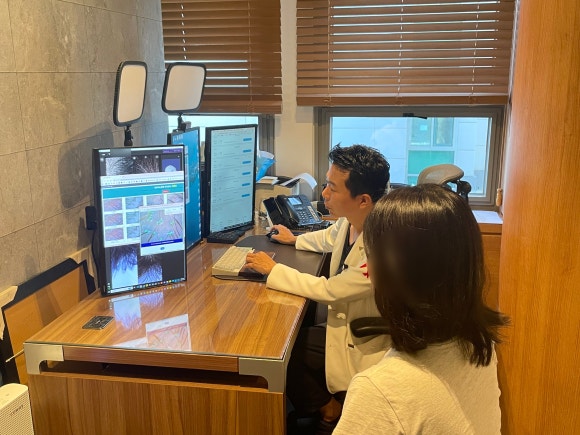
Written by: Kim Jino of New Hair Plastic Surgery Clinic (Public Relations Director, Korean Association of Plastic Surgeons / Academic Director, Korean Society for Laser Dermatology and Hair)
References
- Zhang, J., Shao, T., Li, H., Zhu, L., Albakr, L., Wheate, N. J., Kang, L., & Wu, C. (2025). Natural sweetener stevioside-based dissolving microneedles solubilize minoxidil for the treatment of androgenic alopecia. Advanced Healthcare Materials, e03575. https://doi.org/10.1002/adhm.202503575
[This post was written directly by a board-certified plastic surgeon for informational purposes in accordance with Article 56, Paragraph 1 of the Medical Service Act. Hair loss surgery and treatment may involve side effects, and you should make a careful decision after consulting with a specialist.]