Many people try to prevent hair loss by taking medication and receiving treatment, but end up overlooking their diet.
However, recent studies suggest that the fate of your hair is decided at the dining table.
Today, I’ll organize the foods that worsen hair loss and the eating habits that help protect hair, focusing on questions patients often ask in the clinic.
Hair Loss Prevention Diet: What Should You Eat and What Should You Avoid?
Summary Table
| Category | Foods to Avoid | Foods Better to Eat Instead |
|---|
| Fried/greasy foods | French fries, donuts, chicken | Olive oil, avocado oil, grilled dishes |
| Refined sugar/high-GI foods | Soft drinks, cake, cereal | Berries, whole grains, fruit |
| Ultra-processed foods | Instant noodles, frozen foods, snacks | Leafy greens, legumes |
| Processed meat | Ham, sausage, bacon | Fish, chicken breast |
| Alcohol/excess caffeine | Alcohol, energy drinks, strong coffee | Water, green tea, moderate amounts of coffee |
Q1. Do fried or greasy foods really make hair loss worse?
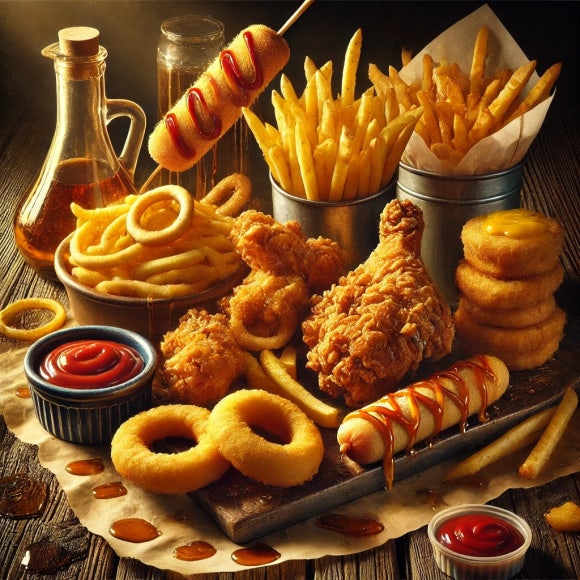
Yes. Foods fried repeatedly in oil contain large amounts of trans fats and AGEs (advanced glycation end products).
These substances trigger inflammation around the hair follicle and increase inflammatory cytokines such as TNF-α and IL-6, accelerating damage to hair follicle cells¹.
In practice, I often see patients who maintained a greasy diet experience reduced sebum production and less scalp inflammation after improving their eating habits.
Simply switching from fried foods to grilled, steamed, or oven-baked dishes can help restore hair follicle health.
Q2. Do sweets or soft drinks affect hair loss?
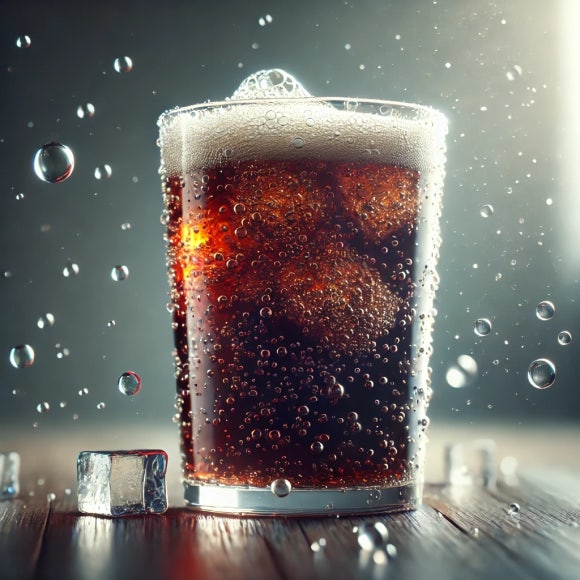
Simple sugar intake may temporarily improve mood, but it leads to a rapid blood sugar spike → insulin resistance → increased androgen levels, which can promote hair loss.
According to a study, male pattern hair loss was more common among young men who frequently drank sugary beverages².
In particular, reducing even one or two cans of soda a day can decrease scalp sebum production and help restore the hair growth cycle.
Q3. Do instant foods and processed foods also have an effect?
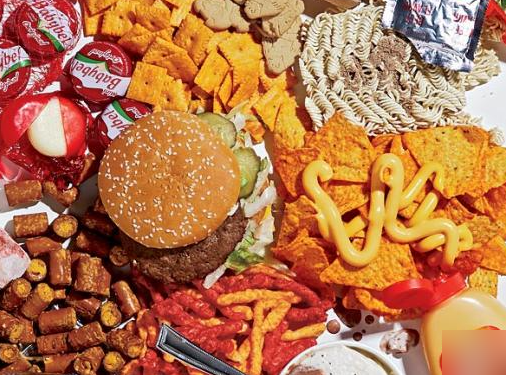
Source - NowNews
Ultra-processed foods such as instant ramen, frozen foods, and snacks are major causes of disrupted gut microbiota balance and chronic inflammation.
One study found that higher intake of ultra-processed foods was associated with higher blood levels of C-reactive protein³.
Clinically, patients who regularly enjoy this kind of diet often have scalp itching and red inflammatory reactions, and their symptoms improve noticeably with dietary correction alone.
Q4. Why are bacon or ham worse than meat?
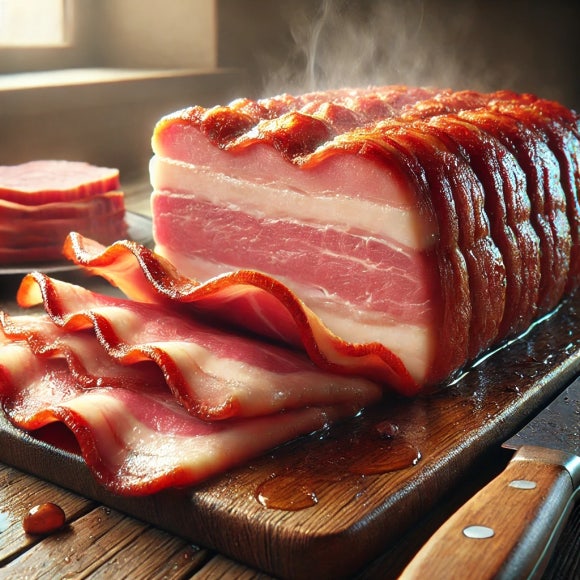
Processed meats contain large amounts of nitrates, saturated fat, and preservatives.
These ingredients constrict microvessels, obstruct nutrient supply to the scalp, and worsen chronic inflammation.
On the other hand, if you switch your protein source to lean meat or oily fish, omega-3 fatty acids help reduce inflammation and improve hair follicle blood flow, which supports hair growth.
Q5. Are coffee and alcohol also related to hair loss?

Caffeine can promote hair growth factors in moderate amounts, but too much can increase stress hormones and trigger telogen hair loss.
Alcohol also interferes with the absorption of zinc and B vitamins, negatively affecting hair metabolism.
In actual clinical practice, there are cases where patients whose hair loss worsened after drinking saw recovery in hair thickness and shine after reducing alcohol intake.
Q6. What foods are good for hair?
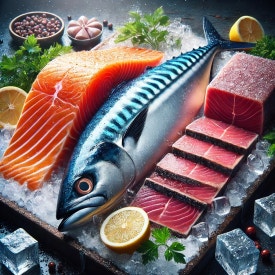
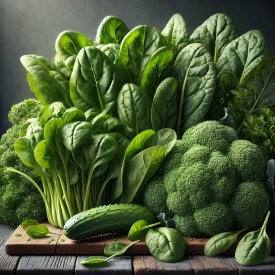
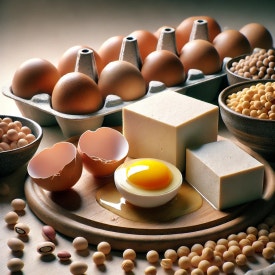
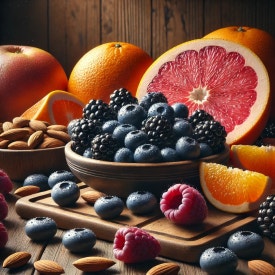
| Nutrient group | Recommended foods | Main effects |
|---|
| Omega-3 fatty acids | Salmon, mackerel, tuna | Anti-inflammatory, improved blood flow |
| Iron, folate, vitamin C | Spinach, broccoli, kale | Collagen synthesis, oxygen supply |
| Biotin, protein | Eggs, tofu, legumes | Supports keratin production |
| Antioxidants | Blueberries, oranges, grapefruit | Relieves oxidative stress |
| Zinc, selenium, vitamin E | Almonds, sunflower seeds | Strengthens scalp immunity |
Diet is not just an adjunct to medication; it is the foundation of hair recovery.
Patients who consistently maintain such a diet tend to show a faster improvement in hair density recovery than with medication alone.
Q7. Does taking supplements along with treatment actually help?
Yes. Many hair loss patients are found to have deficiencies in biotin, zinc, iron, and vitamin D⁴.
Because these micronutrients are directly involved in the hair follicle growth cycle, supplementation can improve treatment response.
In particular, for male pattern hair loss, saw palmetto is said to inhibit 5-alpha reductase and reduce DHT production.
A two-year follow-up study found that although its effectiveness was lower than finasteride, it had almost no side effects and was considered a stable adjunct therapy⁵.
In addition, a combination of collagen, hyaluronic acid, and vitamin C helps maintain scalp moisture and improve elasticity.
Q8. In the end, what kind of eating habits are best for preventing hair loss?
The key is a diet that reduces inflammation, improves blood flow, and lowers oxidative stress.
Avoid greasy foods, ultra-processed foods, and sugary drinks, and instead consistently eat fish, leafy greens, legumes, nuts, and fruit.
In the clinic as well, patients who maintain such eating habits clearly tend to show increased hair thickness and reduced telogen shedding.
It’s now time to "hair" it out — this was Kim Jin-oh.
Pilsaengsinmo (必生新毛).
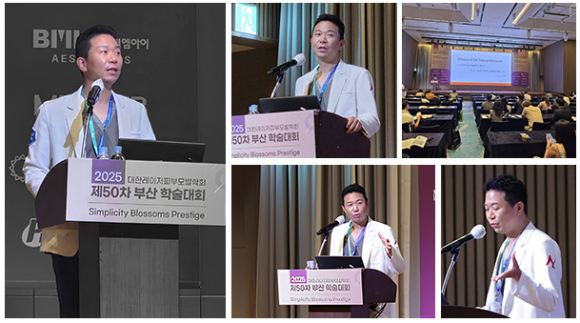
Written by: Kim Jin-oh, New Hair Plastic Surgery (Public Relations Director, Korean Association of Plastic Surgeons / Academic Director, Korean Society of Laser Dermatology and Hair)
References
-
Trueb RM. (2009). Oxidative stress in the ageing of hair. Int J Trichology, 1(1), 6–14. doi:10.4103/0974-7753.51923
-
Zhang J, Zhou Y, Xu T, et al. (2023). Consumption of sugar-sweetened beverages and male pattern hair loss in young men. Nutrients, 15(2):345. doi:10.3390/nu15020345
-
Lee WS, Lee HJ. (2013). Characteristics of inflammatory infiltrates in androgenetic alopecia. J Dermatol Sci, 72(2), 163–167. doi:10.1016/j.jdermsci.2013.06.012
-
Almohanna HM, Ahmed AA, Tsatalis JP, Tosti A. (2019). The Role of Vitamins and Minerals in Hair Loss: A Review. Dermatol Ther (Heidelb)., 9(1), 51–70. doi:10.1007/s13555-018-0278-6
-
Rossi A, Mari E, Scarno M, et al. (2012). Comparative effectiveness of finasteride vs Serenoa repens in male androgenetic alopecia: a two-year study. Int J Immunopathol Pharmacol., 25(4), 1167–1173. doi:10.1177/039463201202500436
[This post is written directly by a plastic surgery specialist for informational purposes in accordance with Article 56, Paragraph 1 of the Medical Service Act. Hair loss surgery and treatment may have side effects, and please make a careful decision after consulting with a specialist.]