Hair is not just part of appearance; it symbolizes confidence.
However, when hair gradually becomes thinner due to genetic factors or hormonal changes,
many people experience unexpected emotional distress.
Recent studies have reported that hair loss affects self-esteem, depression, and even interpersonal relationships, showing that it goes beyond a simple cosmetic issue and is closely linked to psychological health and quality of life¹².
I Only Lost My Hair to Hair Loss... Why Does It Feel This Depressing?
Summary Table
| Item | Main Result | Meaning |
|---|
| Depressed mood | Experienced in 46% (mostly borderline to moderate)² | Hair loss is accompanied by emotional stress |
| Body image | 12% dissatisfied / avoidant behavior⁴ | Perception of appearance affects social activity |
| Self-esteem | 12% low, 88% normal⁶ | Individual differences exist; psychological support is needed |
| Quality of life | 62% reported no impact⁷ | High ability to accept and adapt |
| Treatment direction | Combine with psychological support | An integrated approach improves resilience |
Q1. Does hair loss really cause depression?
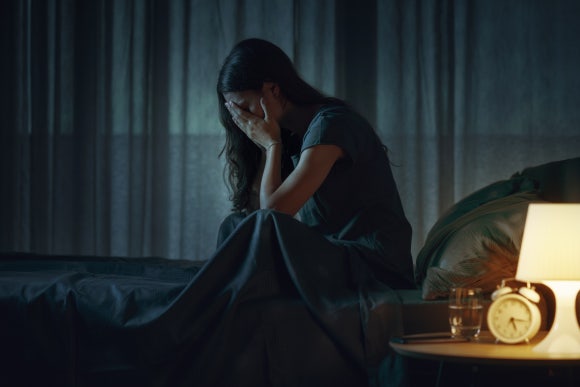
Research found that about 46% of patients with genetic hair loss showed borderline to moderate depressive symptoms².
In particular, the wider the extent of hair loss, the more anxiety, anger, and lowered self-esteem appeared³.
These emotional responses come more from the feeling of helplessness that something cannot be controlled than from the appearance change itself.
In clinical settings as well, it is common for hair loss patients to express psychological withdrawal with feelings such as “I’m changing.”
Q2. Why is the stress felt by female hair loss patients greater?
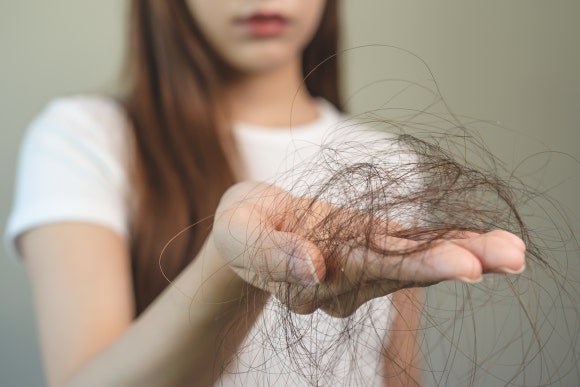
For women, hair is not merely an appearance factor but a symbol of identity and femininity.
Dinh and Sinclair stated that “women’s hair is considered part of attractiveness and identity,
and hair loss causes anxiety and low self-esteem”⁵.
Clinically, female patients often show avoidant behavior such as wearing hats or avoiding gatherings⁴.
This sense of social burden acts as a factor that increases psychological stress.
Q3. Do all hair loss patients have low self-esteem?
No, they do not. According to the study, about 88% maintained normal levels of self-esteem⁶.
This means that hair loss affects people differently depending on personal psychological resilience, social support, and treatment experience.
However, 12% of patients showed a clear decrease in self-esteem, and when treatment and counseling
were provided together, they showed faster recovery.
Q4. How much does hair loss affect daily life?
In a quality of life questionnaire, more than half (62%) answered that it had “no major impact”⁷.
This shows that many patients are accepting and adapting to hair loss.
However, 38% reported psychological discomfort in relationships or work life.
In such cases, treatment adherence improves noticeably when emotional support and stress management are provided together.
Q5. Why is emotional care needed in hair loss treatment?
Hair loss is an external change, but true treatment is completed only when inner recovery happens together with it.
When emotional tension is eased through counseling or group sessions, the patient’s anxiety
is reduced and the treatment effect is maintained more stably³.
Ultimately, hair loss treatment is a process of caring not only for the hair but also for the mind.
Hair loss is not simply a problem of hair; it is a journey of emotional recovery.
Rather than denying or hiding one’s condition, it is important to seek recovery through consultation with a specialist, management, and psychological support.
What matters more than hair is the power to believe in myself again.
It’s time for hairhair, Kim Jin-oh.
Pilsaengsinmo (必生新毛).
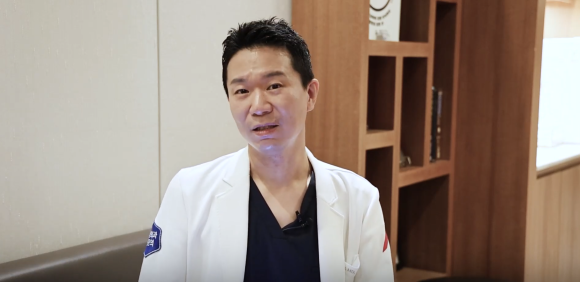
Written by: Kim Jin-oh of New Hair Plastic Surgery (Public Relations Director, Korean Association of Plastic Surgeons / Academic Director, Korean Society for Laser Dermatology and Hair)
References
-
Severi G, Sinclair R, Hopper JL, English DR, McCredie MR, Boyle P, et al. (2003). Androgenetic alopecia in men aged 40-69 years: Prevalence and risk factors. Br J Dermatol, 149, 1207-13.
-
Singh S, Sawant N. (2025). Does hair loss impact mood, self-esteem, body image, and quality of life in patients of androgenetic alopecia? Ann Indian Psychiatry, Published Aug 11, 2025.
-
Tucker P. (2009). Bald is beautiful? The psychosocial impact of alopecia areata. J Health Psychol, 14, 142-51.
-
Littleton HL, Axsom D, Pury CL. (2005). Development of the body image concern inventory. Behav Res Ther, 43, 229-41.
-
Dinh QQ, Sinclair R. (2007). Female pattern hair loss: Current treatment concepts. Clin Interv Aging, 2, 189-99.
-
Rosenberg M. (1965). Society and the Adolescent Self-Image. Princeton: Princeton University Press.
-
Gupta S, Goyal I, Mahendra A. (2019). Quality of life assessment in patients with androgenetic alopecia. Int J Trichology, 11, 147-52.
[In accordance with Article 56, Paragraph 1 of the Medical Service Act, this post is being written directly by a plastic surgery specialist for informational purposes. Hair loss surgery and treatment may have side effects, and you should make a careful decision through consultation with a specialist.]