
If you are a patient who needs to take hair loss medication consistently, you may wonder, “Can I drink alcohol at least once?”
“Do I have to quit smoking?” are the kinds of questions people ask.
The effects of medication depend not only on what you take, but also on how your lifestyle creates the environment around it.
Here is a summary of how drinking and smoking affect hair loss treatment while taking finasteride, dutasteride, and minoxidil.
While Taking Hair Loss Medication, Do Drinking Alcohol and Smoking Really Affect Its Effectiveness?
Summary
In fact, smoking is known as a major factor that worsens hair loss by reducing blood flow to the scalp and causing damage to hair follicles¹²³, while alcohol does not directly reduce medication effectiveness, but
heavy drinking can affect treatment results by placing a burden on liver metabolism and the scalp environment⁴⁵⁶.
Therefore, quitting smoking is essential, and drinking in moderation is not optional but basic.
Along with consistent medication treatment, maintaining healthy lifestyle habits is the key to hair recovery.
Q1. Is there evidence behind the claim that smoking worsens hair loss?

Source - Health Chosun
Yes, there is. Smoking constricts the blood vessels in the scalp, reducing blood flow to the hair follicles and interfering with the oxygen and nutrient supply needed for hair growth.
Nicotine and reactive oxygen species in cigarette smoke damage the DNA of follicle cells and promote premature aging¹.
In addition, clinical research has shown that long-term smokers have a significantly higher risk of male pattern hair loss than non-smokers³.
Smoking is a clear risk factor for hair loss because it worsens the scalp environment itself even before considering medication effectiveness.
If blood flow is insufficient during recovery after hair transplantation, the survival rate of grafts may also decrease, so quitting smoking is not optional but essential.
Q2. Is there a direct interaction between alcohol and hair loss medication?

Source - Health Central
There is no direct interaction.
There are no official medical guidelines that prohibit drinking alcohol while taking finasteride, dutasteride, or minoxidil⁴.
However, excessive drinking is an exception.
Alcohol interferes with liver metabolism and causes inflammation, disrupting the environment in which the medication should work properly.
In particular, dutasteride has a long half-life of about 5 weeks in the body, so frequent binge drinking can place a cumulative burden on the liver and make drug concentrations unstable.
Q3. Does taking the medication make it harder to drink alcohol?
Some finasteride users have reported that they crave alcohol less than before or that their hangovers have become worse⁵⁶.
This appears to be an indirect effect of hormonal changes and changes in liver metabolism rather than a direct side effect of the medication.
In particular, some patients taking oral minoxidil reported stronger hangover symptoms, which is presumed to be because the drug has a vasodilating effect⁶.
The important issue is frequency and amount.
Light drinking is fine, but repeated binge drinking promotes inflammatory responses in the scalp and reduces the durability of the medication’s effect.
Q4. Why do lifestyle habits affect medication effectiveness?
The core of hair loss treatment is creating an environment in which hair can grow well.
Smoking blocks blood flow, and alcohol disrupts liver and hormone metabolism.
When these two factors act together, the hair follicle’s ability to recover declines, so even the best medication may show results more slowly.
| Category | Effect on hair loss | Effect on treatment effectiveness | Recommended action |
|---|
| Smoking | Vasoconstriction, DNA damage, increased reactive oxygen species¹²³ | Hair follicle damage and delayed recovery | Quit immediately |
| Heavy drinking | Reduced liver metabolism, inflammation⁴⁵⁶ | Unstable drug levels, increased hangovers | Drink in moderation, no more than 1–2 times per week |
| Moderated lifestyle | Improved scalp blood flow, stabilized hormones | Maximized medication effectiveness | Consistent management |
Q5. Realistically, how should you manage this?
- Smokers should quit first
Even one cigarette a day can cause vasoconstriction and is a fundamental obstacle to hair loss treatment.
- Reduce how often you drink, not just how much
A habit of drinking one or two drinks every day can actually increase the burden on liver metabolism.
- Manage sleep and nutrition together
Hair loss medication works by restoring the hair growth cycle, so enough protein and good sleep are needed for synergy.
In conclusion, if medication helps hair grow, alcohol and cigarettes are invisible scissors that block that growth.
Quitting smoking and drinking in moderation are not just supportive measures for hair loss treatment; they are basic prerequisites for maintaining the effect over time.
Now it is time for hairhair to grow, this was Kim Jin-oh.
Pilsaengsinmo (必生新毛).
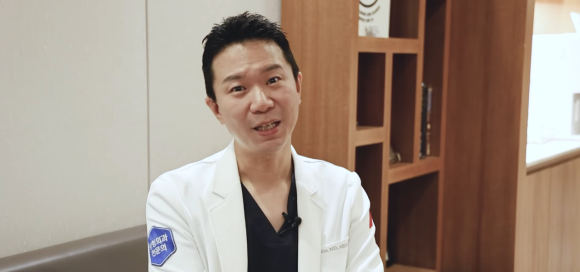
Written by: Kim Jin-oh of New Hair Plastic Surgery Clinic (Public Relations Director, Korean Society of Plastic and Reconstructive Surgeons / Academic Director, Korean Laser Dermatology and Hair Society)
References
-
Babadjouni, A. et al. (2021) The effects of smoking on hair health: A systematic review, Dermatology and Therapy.
-
Healthline (2023) Does smoking cause hair loss? [Online] Available at: https://www.healthline.com/health/smoking/does-smoking-cause-hair-loss
-
Zhang, H. et al. (2023) A meta-analysis study on the association between smoking and male pattern hair loss, Clinical, Cosmetic and Investigational Dermatology.
-
Hims (2024) Finasteride and alcohol: What you need to know, Hims Health Blog.
-
Irwig, M.S. (2013) Persistent sexual side effects of finasteride: Could they be permanent?, Journal of Clinical Endocrinology & Metabolism.
-
Rodrigues-Barata, A.R. et al. (2023) Low-dose oral minoxidil for hair loss: A review of efficacy and safety, International Journal of Dermatology.
[This post is written directly by a board-certified plastic surgeon to provide information in accordance with Article 56, Paragraph 1 of the Medical Service Act. Hair loss surgery and treatment may have side effects, and you should make a careful decision after consulting with a specialist.]