The recurrence pattern that appears when the balance of scalp microbes, sebum, and the skin barrier is disrupted
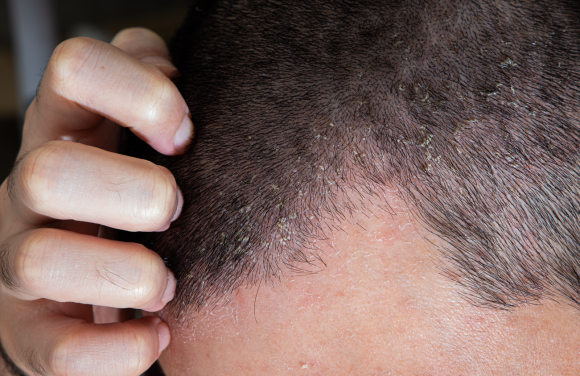
Seborrheic dermatitis is not a condition that ends once it gets better; it is a chronic inflammatory disease that flares again when the scalp ecosystem becomes unstable.
Because it is influenced by a combination of factors such as changes in fungal and bacterial composition, increased sebum secretion, and lifestyle factors like stress and sleep, a consistent management strategy is important.
Recent studies repeatedly show that when the balance of the scalp microbiome is disrupted, recurrence becomes more likely¹²⁴⁶, emphasizing that maintenance care after treatment is key.
Seborrheic dermatitis: Why does it come back so soon even after treatment?
Summary
Seborrheic dermatitis is a chronic inflammatory disease in which microbial imbalance and weakened skin barrier function recur repeatedly¹²⁵⁶.
The pattern of increased Malassezia fungus + decreased protective bacteria is considered the key mechanism of recurrence³⁴¹⁰.
Antifungal treatment is effective, but after it is stopped, there is a tendency to return to the original microbial state, so maintenance therapy is important⁴¹⁰¹¹.
Stress, lack of sleep, dry environments, and harsh cleansing habits weaken the barrier and shorten the recurrence cycle⁷⁹¹².
The core of treatment is a strategy to widen the interval between recurrences through lifestyle management, appropriate cleansing, and maintenance therapy.
Q1. Why is seborrheic dermatitis called a “recurrent disease”?
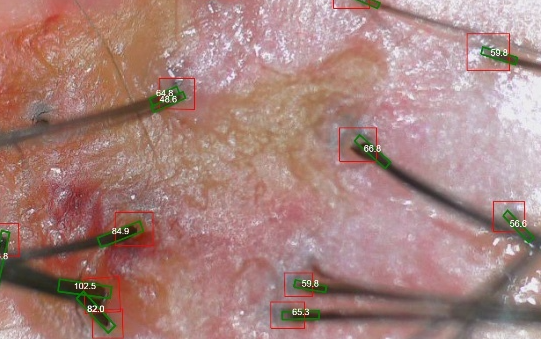
The biggest reason is the structural nature of the scalp microbiome.
When seborrheic dermatitis occurs, an increase in lipid-loving fungi such as Malassezia and a decrease in the bacterial groups that protect the scalp are repeatedly observed³¹⁰.
During the process of restoring this imbalance, the skin barrier weakens²⁵, and once the barrier is thinned, microbial changes occur more easily, creating a vicious cycle.
In addition, the scalp’s naturally high sebum production also promotes recurrence.
When sebum increases, it creates an environment in which Malassezia can grow well, so the condition can suddenly worsen depending on seasonal changes, hormonal influences, and changes in lifestyle habits⁸⁹.
In short, seborrheic dermatitis is a condition that is structurally designed to fluctuate (improve-worsen).
That is why the main goal is not a cure, but maintaining a stable state.
Q2. Why does it improve when you use an antifungal shampoo, but then get worse again when you stop?
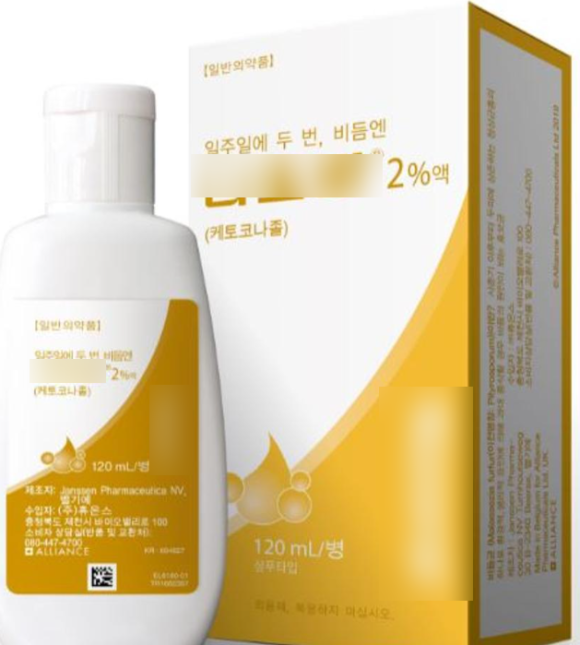
Antifungal shampoo
Source - Medigate News
Antifungal shampoos are very useful because they effectively reduce Malassezia fungus and calm inflammation in the short term.
However, as shown in several clinical studies, after treatment is stopped, the microbial composition clearly tends to return to its original state⁴¹⁰¹¹.
This is not simply a matter of the medication’s effectiveness, but rather because the scalp’s sebum environment, each person’s microbial makeup, and lifestyle habits recreate the same pattern.
That is why professional literature also recommends maintenance therapy (using antifungal shampoo about once a week)¹⁸¹¹.
This is a strategy not to eliminate fungi completely, but to control the environment so they do not overgrow.
Q3. Why do stress and seasonal changes worsen seborrheic dermatitis?
Stress destabilizes immune responses and slows skin barrier recovery⁷.
Lack of sleep also weakens barrier function, making inflammatory responses easier to trigger.
In addition, many reports say that indoor heating and dry indoor environments in winter reduce the skin barrier’s ability to retain moisture¹².
In particular, the sequence of cold and dry environment → barrier instability → microbial changes → worsening inflammation has been repeatedly presented in various studies¹².
Changes in the living environment affect the entire microbe-barrier-immune system and promote recurrence of seborrheic dermatitis.
Q4. If you wash more vigorously, won’t it get cleaner?
Shampoos or scrubs with strong cleansing power may feel refreshing in the short term, but in the long term they can cause the following problems²⁵:
| Effect of harsh cleansing habits | Result |
|---|
| Excessive degreasing | After strong cleansing, excess sebum secretion increases → fungal growth increases¹⁶ |
| Skin barrier damage | Dryness, stinging, and worsening inflammation²⁵ |
| Reduced microbial diversity | Breakdown of balance → increased recurrence frequency³⁶ |
| Exposure to alcohol and irritating ingredients | Slower barrier recovery² |
Q5. Can lifestyle changes alone reduce recurrence?
Absolutely. Lifestyle habits are a key factor in determining the recurrence cycle¹²⁹.
In particular, the following factors are often clinically confirmed to help reduce recurrence frequency.
| Management item | Why it helps |
|---|
| Sufficient sleep | Barrier recovery, immune stabilization |
| Stress management | Relief of inflammatory responses⁷ |
| Appropriate cleansing | Maintenance of microbial balance |
| Minimizing excessive heat, dyeing, and perming | Prevention of barrier damage³⁶ |
| Moisturizing and humidity control during seasonal changes | Reduction of dryness-related irritation¹² |
When lifestyle management is combined with maintenance shampoo therapy, many patients notice that flare-up cycles become longer and the intensity becomes milder.
Q6. It can look like seborrheic dermatitis, but could it be another condition?
What cases could that be?
Although they may look similar on the surface, the following conditions are also possible⁸¹³:
Scalp psoriasis, contact dermatitis, fungal infection, inflammatory folliculitis, and in cases with sudden hair loss or oozing, if symptoms of another inflammatory disease suddenly worsen or repeatedly appear in a way that is different from usual, it is safer to re-evaluate the scalp and identify the exact cause.
Seborrheic dermatitis: Why does it come back so soon even after treatment?
Summary table
| Key factor | Effect on seborrheic dermatitis |
|---|
| Microbial imbalance | Increased Malassezia and decreased protective bacteria → worsened inflammation³¹⁰ |
| Weakened skin barrier | Dryness and irritation → shorter recurrence cycle²⁵ |
| Sebum changes | Promotes fungal growth⁸⁹ |
| Stress and lack of sleep | Immune changes → worsening⁷ |
| Excessive cleansing and heat irritation | Barrier damage → instability³⁶ |
| Stopping antifungal treatment | Tendency to return to the original microbial state⁴¹⁰ |
Now it is time for hairhair, Kim Jin-oh.
Pilsaengsinmo(必生新毛).

Written by: Kim Jin-oh, New Hair Plastic Surgery Clinic (Public Relations Director, Korean Society of Plastic and Reconstructive Surgeons / Academic Director, Korean Society of Laser Dermatology and Hair)
References
-
Navarro Triviño, FJ., Sosa, IA. & Molina-Leyva, A. 2025, ‘Seborrheic Dermatitis Revisited: Pathophysiology, Diagnosis, and Emerging Therapies—A Narrative Review’, Biomedicines, vol. 13, no. 10, p. 2458.
-
Galizia, G., Fania, L., Arnaboldi, F. & Piccolo, V. 2024, ‘Seborrheic Dermatitis: From Microbiome and Skin Barrier Dysfunction to Innovative Therapeutic Approaches’, Cosmetics, vol. 11, no. 5, p. 208.
-
Tao, R., et al. 2021, ‘Skin microbiome alterations in seborrheic dermatitis and dandruff: A systematic review’, Experimental Dermatology, viewed 2025.
-
Mayser, P., et al. 2024, ‘Scalp Microbiome and Dandruff—Exploring Novel Biobased Esters’, Cosmetics, vol. 11, no. 5, p. 174.
-
Adalsteinsson, JA., Kaushik, SB. & Alexis, AF. 2020, ‘An update on the microbiology, immunology and genetics of seborrhoeic dermatitis and dandruff’, Experimental Dermatology, viewed 2025.
-
Truglio, M., et al. 2024, ‘Modulating the skin mycobiome–bacteriome and treating seborrheic dermatitis with a probiotic-enriched oily suspension’, Scientific Reports, vol. 14, p. 53016.
-
Indonesiana, E. 2020, Stress Levels and Seborrheic Dermatitis in the Class of 2020 Medical Students, Undergraduate thesis, Universitas Airlangga.
-
Urbanska, J., Borowska, D. & Nieczaj, K. 2025, ‘Seborrheic dermatitis – current information on diagnosis and treatment: A literature review’, Medical Science, vol. 29, no. 163, pp. 1–13.
-
Woolhiser, E., et al. 2024, ‘Nutrition, Obesity, and Seborrheic Dermatitis’, Current Problems in Dermatology, viewed 2025.
-
Maître, M., et al. 2025, ‘Scalp Microbiome Dynamics Can Contribute to the Clinical Effect of a Novel Antiseborrheic Dermatitis Shampoo Containing Patented Antifungal Actives: A Randomized Controlled Study’, Dermatology and Therapy, viewed 2025.
-
Mayo Clinic Staff. 2024, Seborrheic dermatitis: Diagnosis and treatment, Mayo Clinic, viewed 2025.
-
Smith, RD. & Hughes, TM. 2023, ‘Climate-related triggers of dermatitis: Cold weather, humidity, and barrier instability’, Journal of Dermatologic Environment, vol. 7, no. 2, pp. 101–112.
-
Patel, V. & Smith, LL. 2022, ‘Differentiating seborrheic dermatitis from contact dermatitis on the scalp’, Clinical Dermatology Reports, vol. 4, no. 3, pp. 55–63.
[This post was written directly by a board-certified plastic surgeon for informational purposes in accordance with Article 56, Paragraph 1 of the Medical Service Act. Hair transplant surgery and treatment may have side effects, so please make a careful decision through consultation with a specialist.]