Recently, interest in hair transplantation has been surging among service members in the military.
In particular, more and more people are planning strategic hair transplants to use their long service period as recovery time and return to civilian life with fuller hair.
However, because of the special environment of the military (daily use of a military cap, frequent sweat and training, hygiene issues, etc.), it is only natural to worry whether the transplant will actually be successful.
In this post, we will address the questions military service members most often have when deciding on a hair transplant, based on academic evidence and clinical experience, and we will also present practical management tips for achieving good results.
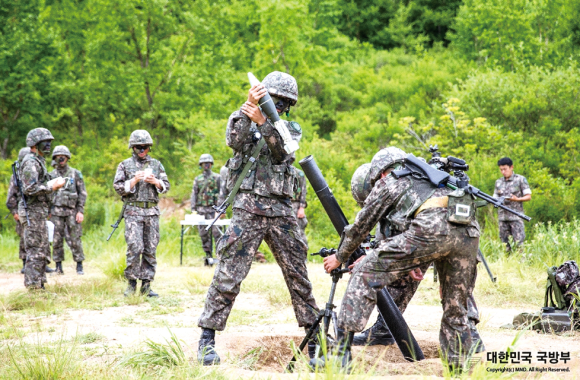
Source - Republic of Korea Ministry of National Defense
Military Hair Transplant: Can It Succeed Even During Hat, Sweat, and Training Conditions?
Summary
| Category | Key Considerations | Core Strategy for Success |
|---|
| Key to success or failure | Management during the first 10 days after surgery | Thoroughly avoid physical impact, friction, and inflammation (sweat/poor hygiene) |
| Best timing | Procedure before enlistment | Avoid training camp and allow relaxed recovery during a period separated from civilian life |
| Procedure during service | Must secure about 10 days of rest immediately after surgery | Environment that can avoid military cap wearing, sweat, and intense training (using leave, etc.) |
| Long-term management | Living quarters hygiene and sebum/sweat control | Prevent folliculitis and maintain graft survival |
Q1. Is it safe for soldiers to have a hair transplant?
Will the military environment lower graft survival?
Yes, it is sufficiently safe, and high graft survival can be expected.
Recent non-incisional hair transplant techniques have advanced greatly, and when performed with standardized methods, the follicular survival rate in men has been reported to exceed 90% at 12 months¹.
This means that the military environment itself is not the biggest factor determining graft survival.
The key to successful graft survival is the initial recovery period.
Transplanted follicles are most vulnerable during the first 7 to 10 days after surgery, and exposure during this period to physical impact, excessive friction, pressure, and inflammation (infection) significantly lowers graft survival².
The issues in a military setting—wearing a military cap, sweating, and intense training—can damage the follicles during this initial recovery period, which is why caution is necessary.
Q2. Is the military cap that must be worn every day fatal for a hair transplant? When can it be worn?
The cap itself is not what is fatal; timing is what matters.
The pressure and friction caused by wearing a military cap are direct threats that can dislodge follicles immediately after transplantation.
In particular, within 7 days after surgery, the follicles are not yet firmly attached to the skin tissue and can be easily damaged even by minor impact.
Immediately after surgery, for 7 to 10 days: wearing a military cap should be minimized as much as possible.
If possible, do not wear it; if unavoidable, you should consult the medical staff about wearing it very loosely so that no pressure is placed on the transplant area.
After 10 days: once the follicles are firmly fixed to the skin, the effect of wearing a military cap on graft survival decreases significantly.
However, since a military cap can make the scalp humid and trap sweat, increasing the risk of folliculitis, clean management is necessary.
Q3. Can sweat and dust during training cause inflammation in the hair transplant area?
Sweat and poor hygiene can increase the incidence of folliculitis.
Thorough care is necessary.
Excessive sweat during military training mixes with sebum and waste on the scalp, creating an environment where bacteria can grow easily.
In fact, studies have reported that sweat accumulation and poor hygiene increase the risk of early postoperative folliculitis³.
Folliculitis can cause inflammation around the transplanted follicles, interfering with graft survival itself or causing them to fall out.
Solution: After sweating, it is important to rinse the scalp with clean water as soon as possible and keep it dry.
In particular, immediately after surgery, you should use the sterile sprays or shampoos recommended by the medical staff to keep the scalp clean, and absolutely avoid rubbing or scratching the transplant area with your hands.
Q4. If you are in military service, when is the best time to get a hair transplant? (Before enlistment VS during service)
Source - Yonhap News
The most ideal time is before enlistment, when you can secure a relaxed recovery period.
Best choice: procedure before enlistment
If you have the procedure before enlistment, you can secure enough time to recover from the most important initial 10 days in a comfortable environment at home before entering training camp.
There is also the strategic advantage of spending the roughly one year it takes to see the final results of a hair transplant during the period of military service, when you are separated from civilian life.
By the time you return to civilian life, your hair will already be fuller and stable, leading to higher satisfaction with your appearance.
Realistic choice: procedure during service
If you are considering a procedure during service, you must secure at least 10 days of leave or an administrative rest period so that you can avoid intense training, wearing a military cap, and sweating immediately after surgery.
The key is to block friction with the external environment during the recovery period immediately after surgery.
If you are planning a procedure during service, you must confirm through an interview with your unit commander whether it will be possible to create an appropriate recovery environment.
Q5. What are some tips for successfully managing a hair transplant during military service?
Considering the special environment of the military, the following points must be practiced.
Absolute protection during the initial recovery period (7 to 10 days): During this period, you must minimize wearing a military cap and avoid intense training or physical conditioning that causes heavy sweating.
Using leave during this period is the most effective approach.
Maintaining cleanliness and preventing folliculitis: After sweating, you should wipe or rinse the scalp as quickly as possible.
Pay attention to hygiene in the living quarters, and if early signs of inflammation appear
(redness, pain, pus), you should immediately consult the medical unit or an outside specialist.
Be careful with sleeping position: Immediately after surgery, you must sleep on your back so that the transplant area does not rub against the pillow or bedding, and you should also avoid pressure on the occipital donor area.
Hair transplantation is as much about the patient’s management and environment as it is about technique.
The special situation of military service involves many variables, but if you remember that the key is management during the first 10 days and plan the procedure accordingly, you will likely achieve a satisfying result.
Now it’s time to hairhair, this was Kim Jin-oh.
필생신모(必生新毛).

Written by: Kim Jin-oh, New Hair Plastic Surgery (Public Relations Director, Korean Society of Plastic and Reconstructive Surgeons / Academic Director, Korean Society for Laser Dermatology and Hair)
References
- Jiménez-Acosta, F. (2010). Follicular Unit Hair Transplantation: Current Technique. Elsevier.
Cited: “follicular units showed over 90% survival at 12 months following standardized FUE protocols.”
- Kwack, M.H., Kim, M.K., You, S.H., Kim, N.R. (2021). Comparative Graft Survival Study of Follicular Unit Excision Grafts With or Without Minor Injury. Dermatologic Surgery, 47(5), E191-E194.
Cited: “graft survival significantly decreased when the follicular units were mechanically injured.”
- Jimenez, F., & Ruifernandez, J. (1999). Folliculitis and Infection in Hair Transplantation Surgery. Dermatologic Surgery, 25(10), 758–762.
Cited: “sweat accumulation and poor hygiene increased the risk of early postoperative folliculitis.”
[This post is being written directly by a board-certified plastic surgeon for information-sharing purposes pursuant to Article 56, Paragraph 1 of the Medical Service Act. Hair loss surgery and treatment may have side effects, and you should make a careful decision after consulting with a specialist.]