Non-surgical hair loss treatment is carried out by managing the scalp condition and hair loss condition without incision or transplantation.
It consists of multiple device-based treatments and injection therapy, and follicle injections are one of the treatment methods used to help manage the environment around the hair follicles.
Because the treatment is structured differently depending on the individual’s scalp condition and type of hair loss, an evaluation of the individual’s scalp and hair loss is performed first.
Evaluation and Confirmation of Scalp and Hair Condition
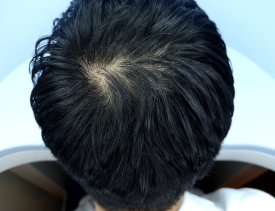
- Hair and scalp diagnosis
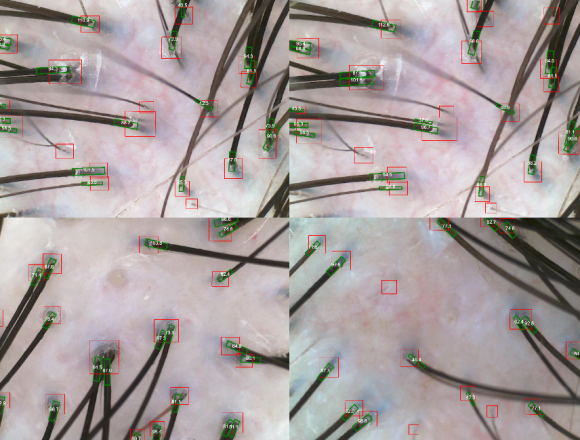
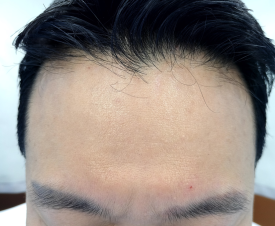
The current condition is assessed by carefully observing hair thickness, density, follicle spacing, and the degree of scalp exposure.
In particular, the crown area often shows diffuse hair loss, so microscopic examination can be very helpful for diagnosis.
- Checking lifestyle and health factors
Various factors such as pregnancy and childbirth, thyroid disease, dieting, and stress can affect hair loss.
These background factors must also be checked in order to establish an appropriate treatment direction.
Non-surgical treatment, follicle injections
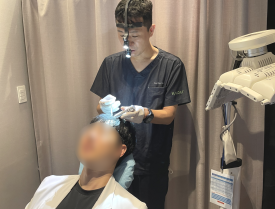
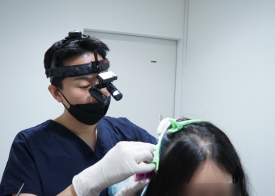
Follicle injections are carried out by delivering specific ingredients to the area around the hair follicles, which are the structures that produce hair.
- After checking the follicle structure and scalp condition, the ingredients are adjusted
- They are injected at regular intervals around the follicles
- The treatment interval is set according to the individual’s condition
Follicle injections are often used in cases where hair loss is relatively widespread.
For the crown area, depending on scalp condition management, changes can sometimes be observed fairly clearly.
Checking treatment progress and management cycle
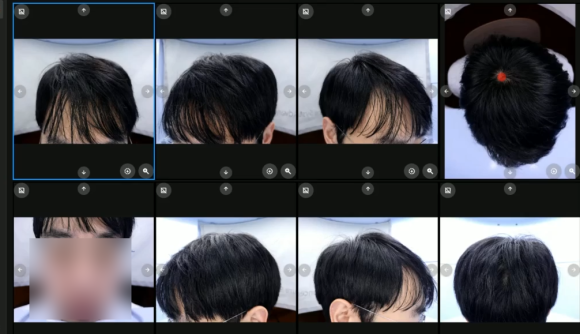
Non-surgical hair loss treatment is more about observation over a certain period than immediate change.
Usually, changes are checked over about 3 to 6 months through photos, microscopic diagnosis, and similar methods.
- Regular photo comparisons
- Checking scalp changes and sensitivity
- Monitoring changes in hair thickness and density
- Adjusting the treatment interval or management method if needed
Because responses can vary depending on an individual’s lifestyle habits and health condition, the management direction is adjusted through periodic checkups.
Considering combinations with other treatments (personalized approach)
Non-surgical treatment can be used on its own, but depending on the situation, it may also be considered together with the following methods.
- Checking whether medication-based treatment is used in combination
- Visual enhancement through scalp micropigmentation
- Considering hair transplantation later if non-surgical treatment still leaves limitations
New Hair Hair Transplant Clinic’s non-surgical hair loss treatment method
At New Hair Hair Transplant Clinic, non-surgical treatment is carried out in the following way.
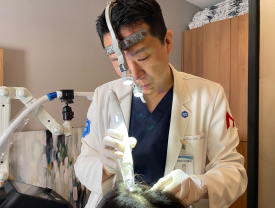
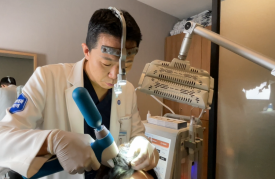
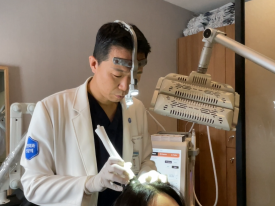
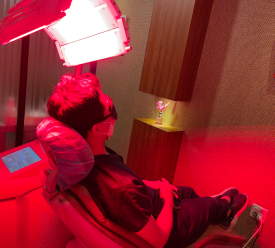
Diagnosis based on imaging equipment and microscopy
Planning a management strategy tailored to each individual’s cause and type of hair loss
Device-based treatment including follicle injections
Selecting appropriate medication treatment through sufficient consultation
Regular monitoring of changes after treatment
Adjusting the management direction according to the individual’s living environment and scalp characteristics
Rather than making a definitive claim about a specific result, the goal is an approach centered on continuous management based on each patient’s scalp condition and pattern of change.